Understanding screen printing mesh count is essential for anyone involved in professional fashion printing. Mesh count directly affects the quality, detail, and feel of printed garments. Whether you are a designer, print shop owner, or a fashion brand looking to optimize your production, knowing how mesh count influences your results can make a significant difference in the final product.
At its core, mesh count refers to the number of threads per inch in the screen used for printing. This number determines how much ink passes through the screen and onto the fabric, impacting both the sharpness of the design and the texture of the print. Selecting the right mesh count is crucial for achieving the desired look and performance in fashion applications.
For those interested in the tactile qualities of printed garments, learning about what is soft hand feel in garment printing can further enhance your understanding of how mesh count choices affect the final product’s comfort and appeal.
How Mesh Count Influences Fashion Printing Results
Choosing the right mesh count is a balancing act between detail and ink deposit. In fashion printing, this balance is especially important because both the visual quality and the feel of the print matter to consumers. Here’s how mesh count impacts your outcomes:
- Low mesh counts (e.g., 60-110 threads per inch) allow more ink to pass through, making them suitable for bold, opaque prints and specialty inks like glitter or puff.
- Medium mesh counts (e.g., 120-160) are versatile and commonly used for standard garment prints, offering a good mix of detail and ink coverage.
- High mesh counts (e.g., 180-305+) are ideal for fine details, halftones, and soft-hand prints where a thinner ink deposit is preferred.
In the context of fashion screen printing, the mesh count you select will determine not only the appearance of your design but also how the print feels against the skin. For example, a high mesh count can help achieve a softer, more breathable print, which is often desirable in modern apparel.
Key Factors When Selecting Mesh Count for Apparel
Several factors should guide your mesh count selection for professional garment printing:
- Fabric type: Coarse fabrics like hoodies or canvas may require a lower mesh count to ensure adequate ink coverage, while fine cotton or performance fabrics can benefit from higher mesh counts for detail and comfort.
- Ink type: Specialty inks (such as metallic, glitter, or puff) often need a lower mesh count, while water-based and discharge inks perform better with higher mesh counts.
- Design complexity: Detailed graphics, gradients, and halftones demand higher mesh counts to capture fine lines and subtle transitions.
- Desired print feel: If a soft, lightweight print is the goal, a higher mesh count will help minimize ink buildup and maintain garment breathability.
Understanding these variables ensures you make informed decisions that enhance both the look and feel of your fashion prints. For those interested in advanced garment decoration techniques, comparing what is embroidery vs printing for brand logos can help you choose the best method for your brand’s needs.
Common Mesh Counts Used in Fashion Screen Printing
While mesh counts can range widely, certain counts are especially popular in the apparel industry:
| Mesh Count | Best For | Typical Use |
|---|---|---|
| 86-110 | Heavy ink deposit | White ink, block prints, specialty inks |
| 120-156 | General garment printing | Standard t-shirts, basic graphics |
| 180-230 | Fine detail, soft prints | Halftones, water-based inks, soft hand |
| 255-305 | Ultra-fine detail | Photorealistic prints, high-end fashion |
Choosing the right mesh count from this range depends on your project’s specific needs. For instance, high-end brands often use mesh counts above 200 to achieve crisp, detailed prints that feel soft and luxurious.
Mesh Count and Print Durability in Fashion
Durability is a major concern in fashion printing. The mesh count you select can influence how well a print withstands washing and wear. Lower mesh counts lay down more ink, which can improve opacity and longevity but may result in a heavier feel. Higher mesh counts produce thinner, softer prints, which are comfortable but may require careful ink selection and curing to ensure lasting results.
Proper screen cleaning and maintenance also play a role in print durability. For tips on keeping your screens in top condition, see this guide on how to remove ghost images from printing screens.

Mesh Count in the Context of Modern Fashion Production
As the fashion industry evolves, so do printing technologies and expectations. Today’s brands often demand both high detail and eco-friendly processes. Mesh count selection is part of this equation, especially when paired with water-based inks and sustainable fabrics. For those exploring innovative production models, learning about the benefits of micro-factory models for fashion printing can provide insights into how mesh count and other variables fit into agile, on-demand manufacturing.
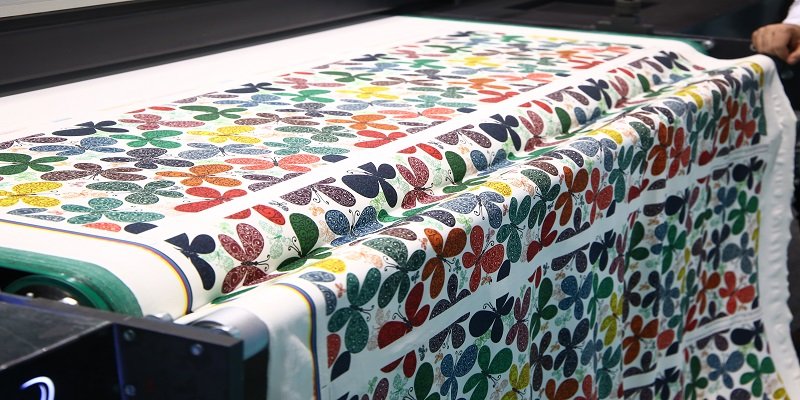
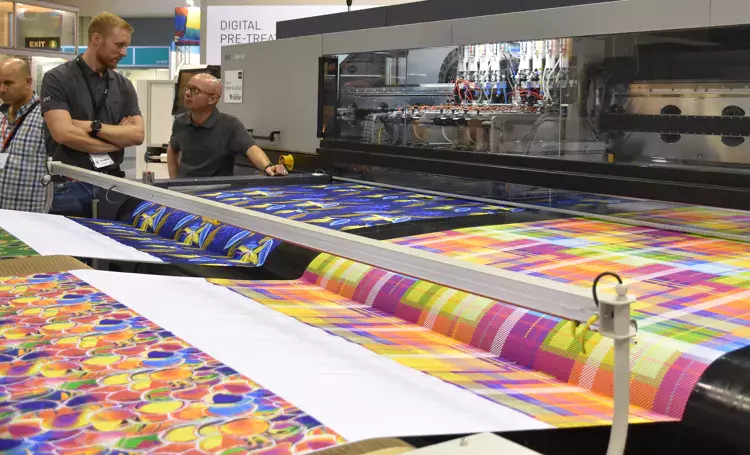
Additionally, the rise of digital textile printing has introduced new options for apparel decoration. For a comprehensive look at how digital and traditional methods compare, check out this overview of digital textile printing technology.
Best Practices for Achieving Optimal Results
To get the most out of your screen printing mesh choices in fashion applications, keep these best practices in mind:
- Test different mesh counts with your specific inks and fabrics before full production.
- Use high-quality screens and maintain them regularly to prevent clogging and ghosting.
- Adjust squeegee pressure and angle to suit the mesh count and ink type.
- Work closely with your print provider or technician to match mesh count to your design’s requirements.
- Stay updated on new materials and technologies that can expand your creative options.
By following these guidelines, you can ensure that your fashion prints are both visually striking and comfortable to wear.
Frequently Asked Questions
What mesh count is best for soft, detailed prints on t-shirts?
For soft and detailed prints, a mesh count between 180 and 230 is typically recommended. This range allows for fine detail while keeping the ink deposit thin, resulting in a comfortable, lightweight print that’s ideal for fashion t-shirts.
Can I use the same mesh count for all types of fabric?
It’s best to adjust your mesh count based on fabric type. Coarser fabrics like fleece or canvas may require a lower mesh count for adequate ink coverage, while fine cotton or blends benefit from higher mesh counts for detail and softness.
How does mesh count affect the durability of printed garments?
Lower mesh counts deposit more ink, which can enhance durability but may feel heavier. Higher mesh counts produce softer prints but require proper ink selection and curing to ensure the print lasts through repeated washes.
Is mesh count important for water-based and discharge inks?
Yes, mesh count is especially important for water-based and discharge inks. Higher mesh counts (typically 180 and above) are preferred because they allow for finer detail and a softer hand, which are key benefits of these ink types in fashion printing.