Printing on sustainable bamboo textiles is gaining popularity among eco-conscious designers and brands. Bamboo fabrics offer a unique combination of softness, durability, and environmental benefits, making them an attractive choice for apparel, home goods, and accessories. However, achieving vibrant, long-lasting prints on bamboo requires understanding its properties and selecting the right printing methods. This guide explores the essential steps, techniques, and best practices for producing high-quality prints on bamboo-based materials.
Understanding the nuances of how to print on sustainable bamboo fabrics is crucial for achieving professional results. If you’re interested in exploring rapid sampling for textiles, you may also find value in learning how to use inkjet technology for textile sampling, which can complement your bamboo printing workflow.
Why Choose Bamboo for Eco-Friendly Printing?
Bamboo is celebrated for its minimal environmental footprint. It grows rapidly without the need for pesticides or excessive water, and its fibers are naturally biodegradable. When processed into fabric, bamboo retains a silky texture and excellent breathability, making it ideal for a variety of end uses. These attributes, combined with its sustainability, make bamboo a preferred substrate for brands seeking to reduce their ecological impact.
- Renewable resource: Bamboo regenerates quickly and can be harvested in 3–5 years.
- Biodegradable: Bamboo textiles break down naturally at the end of their lifecycle.
- Softness and strength: The fabric is gentle on skin yet durable, supporting both comfort and longevity.
Key Considerations Before Printing on Bamboo Textiles
Before diving into the printing process, it’s important to understand the characteristics of bamboo fabric and how they affect print outcomes. Bamboo’s absorbency, smoothness, and sometimes blended composition (often with cotton or spandex) influence ink penetration and color vibrancy.
- Fabric composition: Pure bamboo and bamboo blends may respond differently to inks and treatments.
- Surface texture: Bamboo’s smooth surface can enhance print detail but may require specific pretreatments for optimal ink adhesion.
- Absorbency: High absorbency can affect drying times and color saturation.
Popular Methods for Printing on Bamboo-Based Materials
Several printing techniques are suitable for bamboo textiles, each offering distinct advantages. The choice depends on design complexity, production scale, and sustainability goals.
Digital Printing: Precision and Versatility

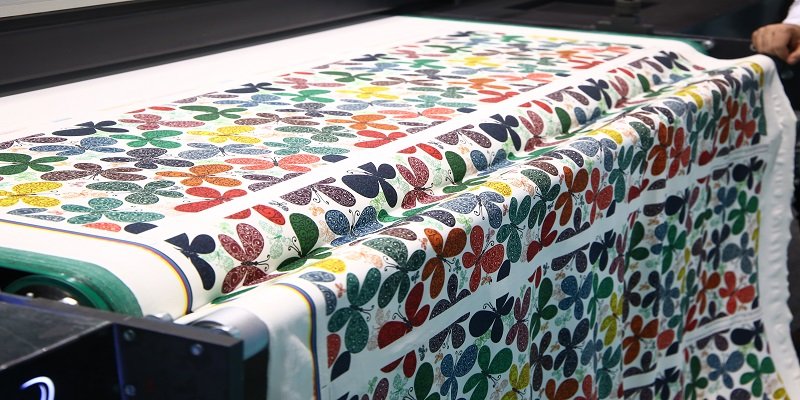
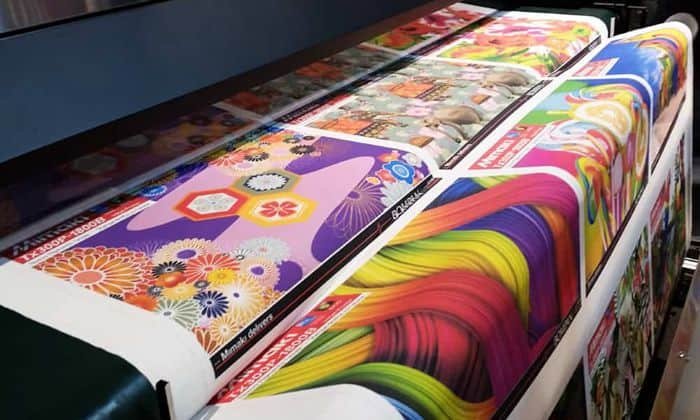
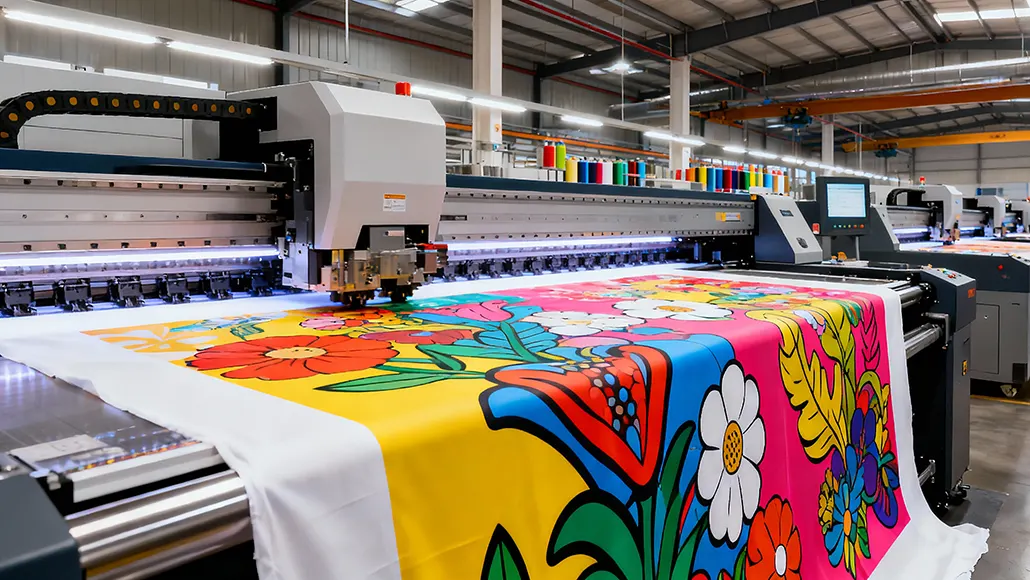
Digital textile printing is a leading choice for bamboo due to its ability to produce detailed, multi-color designs with minimal waste. This method uses inkjet technology to apply water-based inks directly onto the fabric, making it suitable for short runs and custom orders. For a deeper dive into digital fabric printing, see this comprehensive overview of digital fabric printing.
- Advantages: High-resolution prints, eco-friendly water-based inks, efficient for small batches.
- Considerations: Requires pretreatment for colorfastness; best for light to medium-weight bamboo fabrics.
Screen Printing: Ideal for Bold, Repetitive Designs
Screen printing remains a popular option for bamboo, especially for larger production runs or bold, graphic designs. The process involves pushing ink through a mesh screen onto the fabric. Water-based or discharge inks are recommended for eco-friendly production and soft hand feel.
- Advantages: Vibrant colors, cost-effective for volume orders, durable results.
- Considerations: Setup is more involved; not ideal for highly detailed or photographic designs. Proper cleaning is essential to avoid ghost images—see how to remove ghost images from printing screens for maintenance tips.
Sublimation and Heat Transfer: Limited but Useful
Sublimation printing is generally not recommended for pure bamboo, as it works best with high polyester content. However, heat transfer methods can be used for bamboo blends, allowing for specialty effects or small-scale customization. Always check the fabric’s composition before choosing this route.
Step-by-Step Process for Printing on Bamboo Fabrics

-
Pre-wash and Prepare the Fabric
Always pre-wash bamboo textiles to remove sizing agents and shrinkage. Iron the fabric to ensure a smooth, even surface for printing.
-
Pretreat (If Required)
For digital and some screen printing methods, pretreat the fabric with a solution that enhances ink adhesion and color vibrancy. Follow manufacturer guidelines for application and drying.
-
Choose the Right Ink
Opt for water-based, low-impact inks that are compatible with bamboo’s absorbent fibers. These inks are not only eco-friendly but also maintain the fabric’s softness and breathability.
-
Print Your Design
Whether using digital, screen, or transfer methods, ensure the design is properly aligned and the fabric is securely fixed. Test print on a scrap piece to check color accuracy and adhesion.
-
Cure and Finish
Proper curing is essential for wash-fastness. Use heat presses or tunnel dryers as recommended for the chosen ink and method. Allow the fabric to cool before handling or further processing.
Best Practices for Eco-Conscious Bamboo Printing
To maximize the sustainability and quality of your bamboo prints, consider the following tips:
- Use eco-certified inks and chemicals to minimize environmental impact.
- Recycle or properly dispose of wastewater and excess materials.
- Optimize print layouts to reduce fabric waste.
- Choose suppliers who prioritize ethical and sustainable sourcing.
For those exploring innovative production models, understanding the benefits of micro-factory models for fashion printing can further enhance your sustainable approach.
Troubleshooting Common Issues
Even with careful preparation, some challenges may arise when working with bamboo textiles:
- Faded prints: May result from insufficient pretreatment or improper curing. Revisit your process and ensure all steps are followed precisely.
- Ink bleeding: Bamboo’s absorbency can cause spreading. Use the correct ink viscosity and avoid over-saturating the fabric.
- Stiff hand feel: Excessive ink or harsh chemicals can reduce softness. Opt for water-based inks and gentle finishing processes.
If you’re printing on specialty materials, you might also be interested in techniques for printing on satin and glossy materials for luxury applications.
Frequently Asked Questions
Can you use the same inks for bamboo as for cotton?
While many water-based inks suitable for cotton also work on bamboo, it’s important to confirm compatibility with your supplier. Bamboo’s absorbency and surface characteristics can affect how inks bond and cure, so always test before full production.
Is pretreatment always necessary for bamboo fabric?
Pretreatment is highly recommended for digital printing and sometimes for screen printing, especially if you want vibrant, long-lasting colors. For simple one-color screen prints, it may be possible to skip this step, but results can vary.
How do you ensure prints on bamboo are eco-friendly?
Choose certified sustainable bamboo fabrics, use water-based or low-impact inks, and implement waste reduction practices throughout your workflow. Partnering with responsible suppliers and recycling materials where possible further supports your sustainability goals.