Printing on velvet and other textured materials is a specialized process that requires a thoughtful approach, the right equipment, and a deep understanding of fabric behavior. Whether you are a designer, print technician, or textile enthusiast, mastering these techniques opens up creative possibilities for fashion, interiors, and custom projects. This guide explores the most effective methods, essential tips, and professional insights for achieving crisp, vibrant results on plush and uneven surfaces.
Before diving into methods and best practices, it’s helpful to understand why textured textiles like velvet present unique challenges. The pile, nap, and surface irregularities can affect ink absorption, print clarity, and color vibrancy. However, with the right preparation and technique, it’s possible to achieve stunning, durable prints that stand out in both look and feel.
For those interested in advanced materials and innovative textile applications, you may also want to explore what is the future of smart textiles and printing to see how these techniques are shaping the next generation of fabric design.
Understanding Velvet and Textured Fabrics
Velvet is characterized by its soft, raised pile, which gives it a luxurious hand and a distinctive sheen. Other textured fabrics—such as corduroy, jacquard, and heavy knits—feature surface variations that can disrupt standard printing processes. The main challenges when working with these materials include:
- Ink penetration: Pile and texture can prevent ink from reaching the base fabric evenly.
- Print distortion: Raised surfaces may cause images to blur or lose definition.
- Color inconsistency: Shadows and highlights from the texture can alter perceived color vibrancy.
To overcome these obstacles, it’s essential to choose the right printing method and adapt your workflow accordingly.
Choosing the Right Printing Method for Velvet and Textured Surfaces
There are several approaches to printing on plush and uneven textiles. The most suitable method depends on the type of fabric, the intended use, and the desired visual effect. Below are the most common techniques used by professionals:
1. Digital Textile Printing
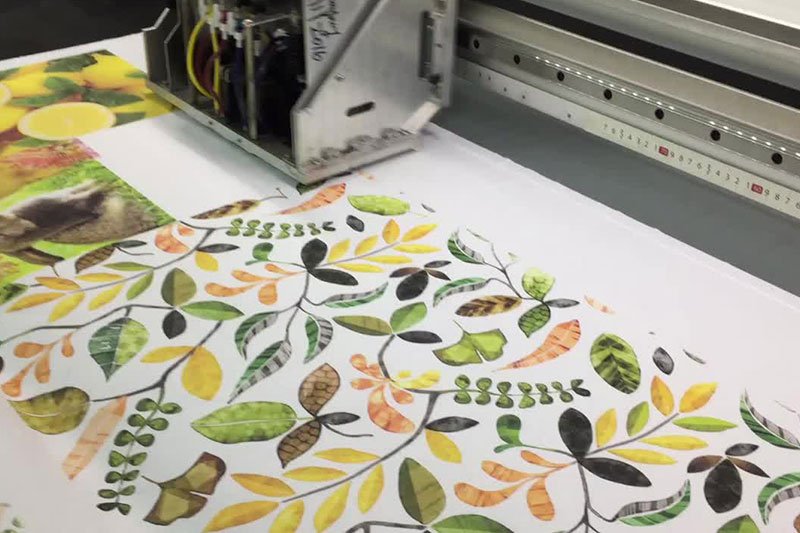
Digital printing has revolutionized the way designers approach complex fabrics. Modern machines are capable of printing directly onto velvet and other textured surfaces with impressive accuracy. The key advantages include:
- High-resolution imagery and intricate pattern reproduction
- Minimal setup time and flexibility for short runs or custom designs
- Ability to use reactive, acid, or pigment inks depending on fiber content
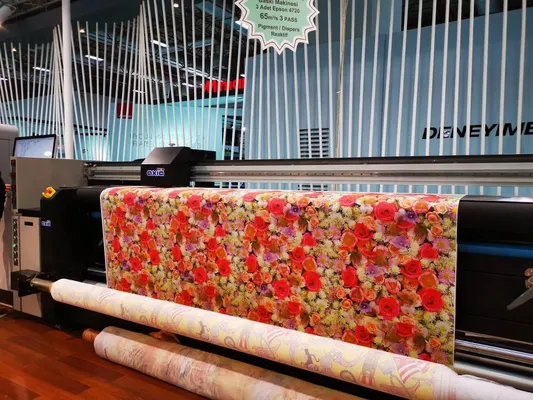
When using digital printers, it’s important to pre-treat the fabric to ensure even ink absorption and to use machines with adjustable print heads to accommodate varying pile heights. For a deeper dive into the technology behind this process, see this overview of digital textile printing technology.
2. Screen Printing on Plush Materials
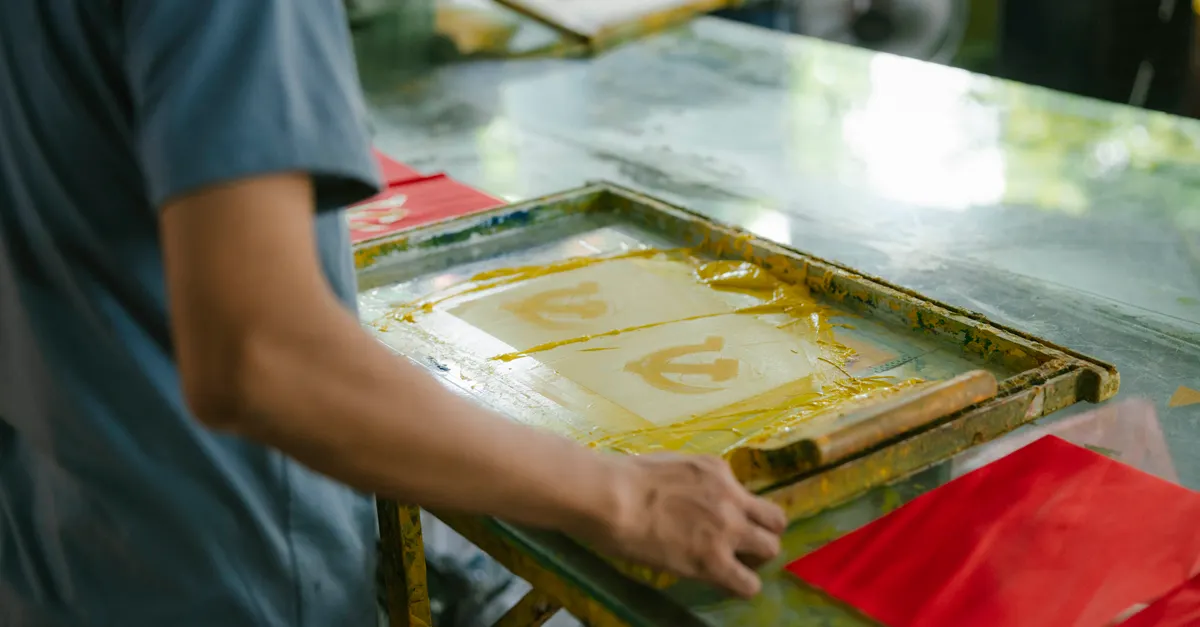
Screen printing remains a popular choice for bold designs and solid color areas. However, printing on velvet or textured bases requires special considerations:
- Use coarser mesh screens to allow thicker ink layers to pass through.
- Opt for plastisol or specialty textile inks formulated for high coverage.
- Apply minimal pressure to prevent flattening the pile and distorting the print.
It’s also helpful to use a vacuum platen or adhesive spray to hold the fabric in place during printing, reducing movement and ensuring sharper results.
3. Sublimation and Heat Transfer Techniques
Sublimation printing works best on polyester-based velvets and textured synthetics. The process involves transferring dye onto the fabric using heat and pressure, resulting in vibrant, wash-resistant images. For best results:
- Ensure the fabric is at least 60% polyester for optimal dye uptake.
- Use a heat press with adjustable pressure to avoid crushing the pile.
- Test transfer papers and settings to achieve even coverage across the surface.
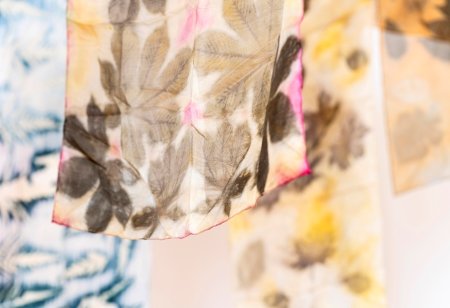
Heat transfer vinyl (HTV) is another option for adding graphics or lettering to plush textiles, though it’s best suited for simple shapes and bold colors.
Preparation and Best Practices for Superior Results
Regardless of the printing method, proper preparation is crucial for achieving professional outcomes on velvet and textured fabrics. Here are some expert tips:
- Pre-wash and dry the fabric to remove sizing, dust, or loose fibers that could interfere with ink adhesion.
- Brush the pile in a consistent direction before printing to create a uniform surface.
- Test print on a scrap piece to check for color accuracy and print clarity.
- Secure the fabric on the print bed or platen to prevent shifting during the process.
- Allow ample drying and curing time to ensure the ink or dye bonds fully with the fibers.
For those setting up a workspace at home or in a small studio, consider reading about how to set up a small scale fashion printing studio for practical advice on equipment and workflow optimization.
Post-Printing Care and Finishing Touches
After printing, the way you handle and finish the fabric can impact both the appearance and longevity of the design. Here are some guidelines:
- Gently steam or brush the pile to restore its texture and lift any areas compressed during printing.
- Avoid harsh ironing directly on the print, as heat and pressure can flatten the design.
- Follow manufacturer recommendations for washing and care to preserve color and print integrity.
- Consider protective coatings or sprays for high-wear items to enhance durability.
Proper finishing not only enhances the tactile quality of velvet and textured fabrics but also ensures the printed design remains vibrant and intact through repeated use.
Common Mistakes to Avoid When Printing on Textured Fabrics
Even experienced printers can encounter issues when working with plush or uneven surfaces. Here are some pitfalls to watch out for:
- Skipping fabric pre-treatment, leading to uneven ink absorption
- Using too much pressure during printing, which can flatten the pile and blur the design
- Neglecting to test print, resulting in unexpected color shifts or loss of detail
- Improper drying or curing, causing ink to wash out or fade prematurely
By paying attention to these details and adjusting your process as needed, you can consistently achieve high-quality results on even the most challenging materials.
FAQ: Printing on Velvet and Textured Fabrics
What type of ink works best for velvet and plush textiles?
For digital printing, pigment inks are often preferred due to their ability to sit on top of the pile and provide vibrant color. For screen printing, plastisol or specialty textile inks designed for high coverage are recommended. Always test on a sample before full production.
Can I use sublimation printing on cotton velvet?
Sublimation printing is most effective on polyester-based fabrics. Cotton velvet does not bond well with sublimation dyes, so alternative methods like digital pigment printing or screen printing with textile inks are better choices for natural fibers.
How do I prevent the print from fading or washing out?
Proper fabric pre-treatment, ink selection, and curing are essential. Always follow the ink or dye manufacturer’s instructions for heat setting and washing. For added protection, consider using a post-printing fabric sealant or protective spray, especially for items subject to frequent handling or laundering.
Conclusion
Mastering the art of printing on velvet and textured fabrics requires a blend of technical knowledge, careful preparation, and the right tools. From digital and screen printing to heat transfer and sublimation, each method offers unique benefits and challenges. By understanding the properties of your chosen textile, selecting the appropriate technique, and following best practices, you can achieve professional, eye-catching results on even the most demanding surfaces. For those interested in exploring related materials, check out insights on how to print on cork and non-traditional materials for more inspiration and advanced tips.