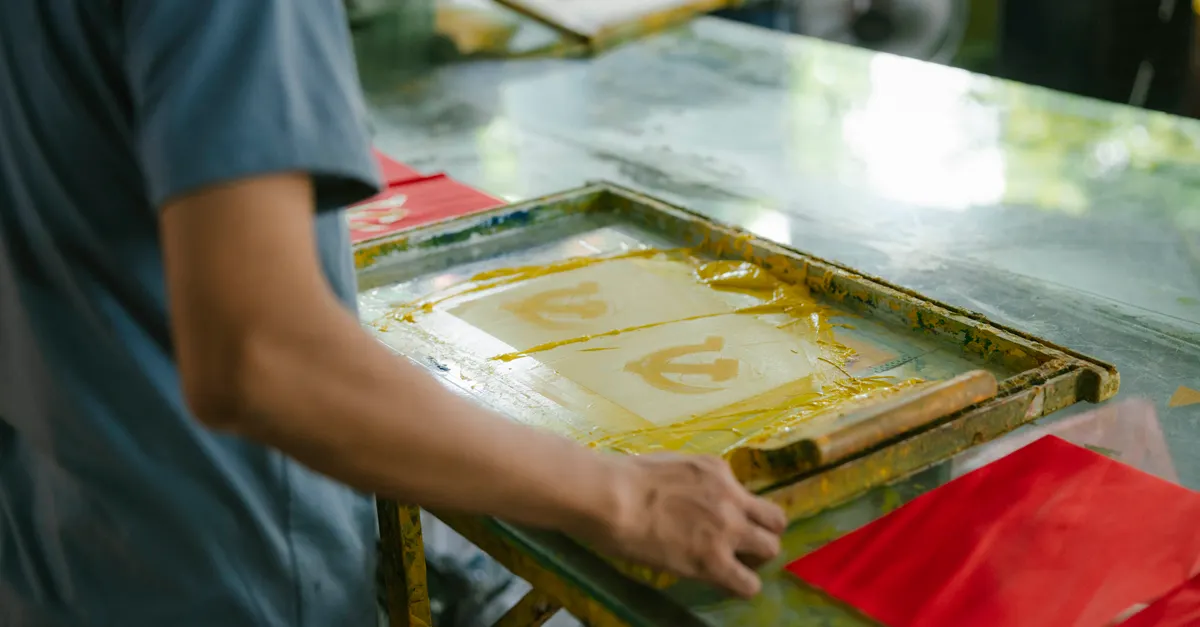
Understanding food-safe packaging international standards is essential for businesses and consumers alike. These guidelines help ensure that materials used to package food are safe, hygienic, and suitable for their intended use. With the globalization of food supply chains and increasing consumer awareness, compliance with recognized benchmarks is more important than ever. This article breaks down the key concepts, regulations, and best practices that shape the world of safe food packaging.
For those interested in how advanced printing technologies are influencing packaging and related industries, you may want to explore what is the future of smart textiles and printing for further insights.
Why Food Packaging Safety Matters
Food packaging acts as the first line of defense between products and potential contaminants. Poorly designed or non-compliant packaging can lead to chemical migration, physical hazards, or biological contamination. This not only endangers public health but can also result in costly recalls, legal issues, and damage to brand reputation. Adhering to international food packaging standards helps mitigate these risks and builds consumer trust.
Key Global Standards for Food-Safe Packaging
Several organizations and regulatory bodies have established frameworks to define and monitor the safety of materials in contact with food. Here are some of the most influential:
- Codex Alimentarius: Developed by the FAO and WHO, this collection of internationally recognized standards covers food safety, including packaging materials and labeling.
- ISO Standards: The International Organization for Standardization publishes several standards relevant to food packaging, such as ISO 22000 (food safety management systems) and ISO 18604 (packaging and the environment).
- European Union Regulations: The EU’s Regulation (EC) No 1935/2004 sets requirements for materials intended to come into contact with food, ensuring they do not transfer harmful substances.
- FDA Regulations: In the United States, the Food and Drug Administration oversees the safety of food contact substances, requiring pre-market approval for new materials.
- Other National Standards: Many countries, such as Japan and China, have their own regulations that align with or supplement global guidelines.

Core Principles Behind International Guidelines
While regulations may differ in detail, most food-safe packaging international standards share several core principles:
- Inertness: Packaging materials must not transfer substances to food in quantities that could endanger health or change the food’s composition, taste, or odor.
- Traceability: Manufacturers must be able to trace packaging materials through the supply chain, aiding in recalls and quality assurance.
- Good Manufacturing Practices (GMP): Facilities must follow strict hygiene and process controls to prevent contamination during production and handling.
- Documentation and Testing: Regular testing for migration of chemicals, as well as comprehensive documentation, is required to demonstrate compliance.
Common Materials and Their Safety Considerations
Food packaging can be made from a variety of materials, each with its own safety profile and regulatory requirements:
- Plastics: Widely used due to their versatility, plastics must be carefully formulated to avoid harmful additives or plasticizers that can migrate into food.
- Paper and Cardboard: Often used for dry foods, these materials should be free from toxic inks or coatings and must resist moisture and grease as needed.
- Metals: Aluminum and tinplate are common for cans and lids. They require protective coatings to prevent corrosion and interaction with acidic foods.
- Glass: Naturally inert, glass is ideal for long-term storage but must be free from lead or other contaminants.
- Biodegradable and Compostable Options: As sustainability becomes a priority, new materials are being developed, but they must still meet all relevant safety standards.

Testing and Certification Processes
To verify compliance with global food packaging safety standards, manufacturers must conduct a range of tests and obtain certifications. Some of the most common assessments include:
- Migratory Testing: Measures the transfer of chemicals from packaging to food under various conditions.
- Physical and Mechanical Tests: Ensures packaging can withstand handling, storage, and transport without compromising safety.
- Microbiological Testing: Checks for the presence of pathogens or contaminants on packaging surfaces.
- Certification Labels: Recognized marks such as the CE mark (Europe) or FDA approval (USA) signal compliance to buyers and regulators.
Challenges in Global Compliance
Complying with food-safe packaging international standards can be complex, especially for companies operating across borders. Differences in local regulations, evolving scientific knowledge, and the introduction of new materials all add layers of complexity. Businesses must stay updated on regulatory changes and invest in ongoing training and quality control.
For a deeper dive into the science and regulatory aspects of food packaging, the scientific review on food packaging materials and safety provides valuable context and research findings.
Best Practices for Ensuring Safe Packaging
To maintain compliance and protect consumers, companies should adopt the following best practices:
- Source materials from reputable suppliers with proven safety records.
- Implement robust quality management systems and regular audits.
- Stay informed about updates to international and local regulations.
- Clearly label packaging with all required information, including material composition and usage instructions.
- Educate staff and partners on the importance of food packaging safety and their role in maintaining standards.
Emerging Trends and Innovations
The landscape of food packaging is rapidly evolving. Advances in materials science, sustainability, and digital printing are shaping the future of packaging safety. For example, smart packaging technologies can monitor freshness, while eco-friendly materials reduce environmental impact. As these innovations develop, they must be evaluated and certified according to established safety benchmarks.
Those interested in how digital printing intersects with packaging trends can learn more by reading about how to use digital printing for fashion trend forecasting.
FAQ
What are the most important international standards for food packaging?
The most widely recognized standards include Codex Alimentarius, ISO 22000, the EU’s Regulation (EC) No 1935/2004, and FDA regulations in the United States. These frameworks set requirements for material safety, traceability, and manufacturing practices.
How can manufacturers prove their packaging is food-safe?
Manufacturers typically conduct migratory, physical, and microbiological tests on their packaging materials. Certification from recognized authorities, such as the FDA or CE mark, and thorough documentation help demonstrate compliance with food-safe packaging international standards.
Are biodegradable packaging materials always safe for food?
No, biodegradable or compostable packaging must still meet all relevant food safety standards. They should be tested for chemical migration and suitability for direct food contact, just like traditional materials.