Upcycling has become a cornerstone of sustainable fashion, offering a creative way to reduce textile waste and breathe new life into pre-loved garments. For designers, artists, and eco-conscious brands, learning how to print on upcycled clothing opens up a world of possibilities for unique, environmentally friendly apparel. This guide covers essential techniques, materials, and tips to help you achieve professional, lasting results while minimizing your environmental impact.
Before diving into the technical aspects, it’s important to understand why upcycled fashion is gaining momentum. By reusing existing textiles, you conserve resources, reduce landfill waste, and create one-of-a-kind pieces that stand out in a crowded market. Whether you’re a hobbyist or a small business owner, mastering sustainable printing methods can set your designs apart and align your brand with conscious consumer values.
For those interested in the intersection of technology and sustainable textiles, exploring what is the future of smart textiles and printing can provide valuable insights into emerging trends and innovations in the field.
Preparing Upcycled Garments for Printing
Proper preparation is crucial when working with upcycled materials. Unlike new, untreated fabric, secondhand garments may have stains, finishes, or fiber blends that affect print quality. Follow these steps to ensure your base is ready for customization:
- Inspect and Clean: Wash all garments thoroughly to remove dirt, oils, and residues. Check for hidden stains or damage that could interfere with printing.
- Sort by Fabric Type: Group items by fiber content (cotton, polyester, blends, etc.), as different materials respond differently to inks and heat.
- Deconstruct if Needed: For all-over prints or seamless designs, consider opening up seams before printing and reassembling afterward.
- Iron and Flatten: Smooth out wrinkles to create an even surface for consistent ink application.
Choosing the Right Printing Method for Upcycled Fashion
There are several printing techniques suitable for upcycled clothing, each with its own advantages and limitations. Your choice depends on the type of garment, desired effect, and available equipment.
Screen Printing on Recycled Textiles
Screen printing remains a popular choice for bold, graphic designs. It works best on natural fibers like cotton and can be adapted for small or large batches. When printing on upcycled materials:
- Use water-based or eco-friendly inks to minimize environmental impact.
- Test prints on a scrap or hidden area to check for ink absorption and color vibrancy.
- Consider mesh count and squeegee pressure, as older fabrics may be more absorbent or delicate.
Digital Printing for Unique Upcycled Pieces
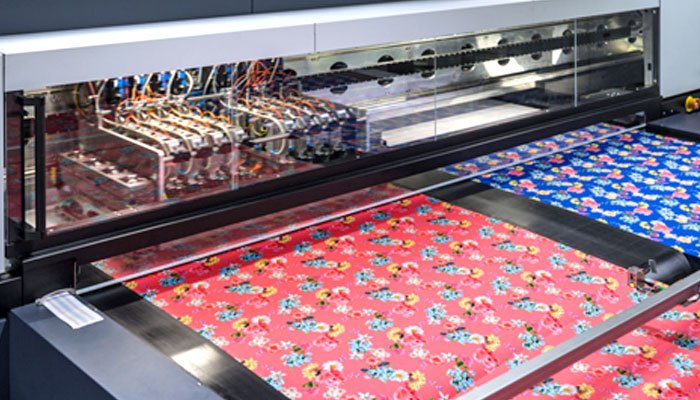
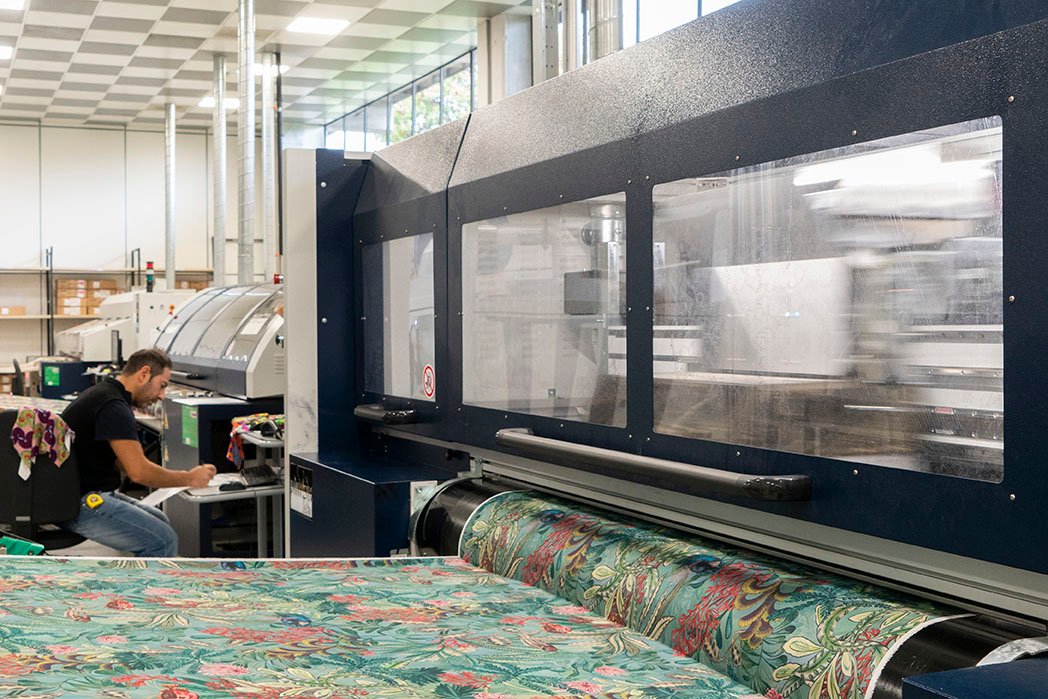
Direct-to-garment (DTG) and digital textile printing are ideal for intricate, full-color artwork and small runs. These methods allow for high customization and minimal waste. When using digital printing on upcycled garments:
- Pre-treat fabrics to ensure ink adhesion, especially if the original garment has been washed many times.
- Choose printers and inks designed for mixed or recycled fibers.
- Use color profiles and test swatches to achieve accurate results on non-uniform backgrounds.
For a deeper dive into the technology behind digital textile printing and its sustainable advantages, check out this comprehensive overview of digital textile printing methods.
Heat Transfer and Sublimation on Repurposed Clothing
Heat transfer vinyl (HTV) and sublimation are popular for adding vibrant graphics to upcycled garments. Sublimation works best on polyester or poly-blend fabrics, while HTV can be used on a wider range of materials. Key considerations include:
- Ensure the garment can withstand the required heat without damage or discoloration.
- Use eco-friendly transfer papers and vinyl when possible.
- Press evenly and follow manufacturer instructions for temperature and time.
Design Tips for Sustainable Printing on Upcycled Apparel
Designing for upcycled fashion requires a flexible, adaptive approach. Here are some tips to maximize the visual impact and longevity of your prints:
- Embrace Imperfection: Variations in color, texture, and wear add character to upcycled pieces. Incorporate these elements into your design rather than trying to hide them.
- Layer and Overprint: Use layering techniques to create depth and mask minor flaws or stains.
- Choose Bold Graphics: High-contrast designs often work best on non-uniform backgrounds.
- Test First: Always print a small sample before committing to a full run, as upcycled fabrics can react unpredictably.

Eco-Friendly Inks and Materials for Upcycled Garments
Choosing sustainable inks and supplies is just as important as the upcycling process itself. Look for:
- Water-Based Inks: These are less toxic and easier to clean up than plastisol inks.
- Natural Dyes: Plant-based dyes can add subtle, earthy tones to your designs.
- Recycled or Biodegradable Transfer Papers: Reduce waste by selecting eco-conscious consumables.
Always dispose of leftover inks and chemicals responsibly to minimize your environmental footprint.
Common Challenges and Solutions When Printing on Recycled Clothing
Working with upcycled garments brings unique challenges, but most can be overcome with careful planning:
- Inconsistent Fabric Quality: Test each batch and adjust your printing technique as needed.
- Color Variations: Use opaque inks or white underbases to ensure your design stands out.
- Previous Treatments: Some garments may have coatings or finishes that repel ink. Pre-treat or sand lightly to improve adhesion.
- Durability: Heat-set prints thoroughly and recommend gentle washing to your customers.
Scaling Up: From DIY to Small-Batch Production
If you’re ready to move from one-off projects to small-batch production, consider investing in more advanced equipment and refining your workflow. Setting up a dedicated workspace, organizing garments by type, and developing standard operating procedures can help you maintain quality and efficiency. For practical advice on building a home studio, see this guide on how to set up a small scale fashion printing studio.
Frequently Asked Questions
What types of clothing are best for upcycled printing projects?
Natural fiber garments like cotton, linen, and hemp are generally the easiest to print on and yield the most vibrant results. However, blends and synthetics can also work well, especially with digital or sublimation techniques. Always test your chosen method on a sample piece first.
How can I ensure my prints last on upcycled garments?
Proper preparation and curing are key. Wash and iron garments before printing, use high-quality inks, and follow recommended heat-setting procedures. Advise customers to wash printed items inside out in cold water and avoid harsh detergents for maximum longevity.
Are there any environmental concerns with printing on recycled clothing?
While upcycling reduces waste, some inks and chemicals can still be harmful. Opt for water-based or plant-based inks, use recycled or biodegradable consumables, and dispose of waste responsibly to keep your process as eco-friendly as possible.
Conclusion
Learning how to print on upcycled clothing empowers designers and makers to create sustainable, original fashion while reducing environmental impact. By choosing the right techniques, preparing garments carefully, and using eco-friendly materials, you can produce high-quality prints that celebrate both creativity and responsibility. As the demand for ethical fashion grows, mastering these skills will help you stand out and contribute positively to the industry.