Personalizing canvas for bags and accessories has become a popular way to stand out in the fashion world. Whether you’re a designer, a small business owner, or a DIY enthusiast, understanding how to print on canvas for bags and accessories opens up creative opportunities. This process allows you to bring unique designs to life, create branded merchandise, or simply craft one-of-a-kind gifts. With advancements in textile printing, achieving professional results is more accessible than ever.
In this guide, we’ll break down the essential methods, materials, and tips for producing vibrant, durable prints on canvas. You’ll also find practical advice on preparing your artwork, selecting the right printing technique, and caring for your finished products. If you’re interested in broader trends, you might also want to explore what is the future of smart textiles and printing for more insights into innovative materials and technologies shaping the industry.

Why Choose Canvas for Bags and Accessories?
Canvas is a durable, versatile fabric that’s ideal for custom fashion items. Its sturdy weave holds up well to everyday use, making it a favorite for tote bags, backpacks, pouches, and more. The texture of canvas also provides a unique surface for printed designs, allowing colors to appear rich and detailed. When you learn how to print on canvas for bags and accessories, you gain the ability to produce high-quality, long-lasting products that appeal to style-conscious consumers.
- Durability: Canvas withstands wear and tear, making it perfect for daily-use items.
- Eco-Friendly Options: Many canvas fabrics are made from natural fibers like cotton or linen.
- Customizability: The material accepts a wide range of printing techniques, from screen printing to digital methods.
Popular Printing Methods for Canvas Accessories
There are several ways to transfer designs onto canvas. The best method depends on your budget, design complexity, and production scale. Here are the most common techniques used in the fashion and accessories industry:
Screen Printing
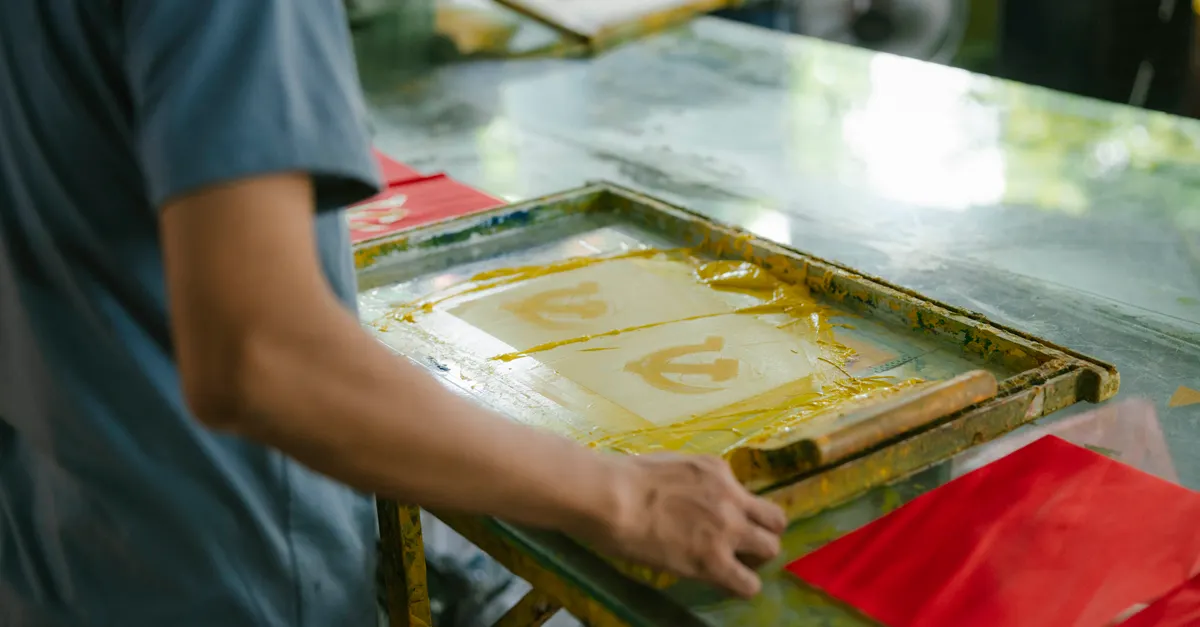
Screen printing is a traditional method that uses a mesh stencil to apply ink onto fabric. It’s ideal for bold, graphic designs and works well for medium to large production runs. The process involves creating a separate screen for each color, so it’s most cost-effective for simple artwork with limited colors.
- Advantages: Produces vibrant, opaque prints; excellent durability; cost-effective for bulk orders.
- Considerations: Less suited for highly detailed or photographic images; setup costs can be high for small batches.
Digital Textile Printing
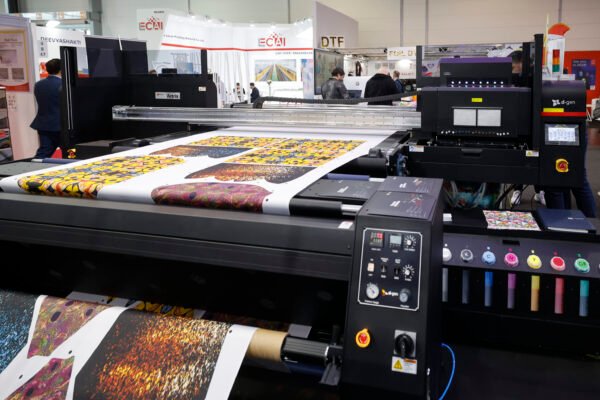
Digital printing technology has revolutionized printing on canvas for bags and accessories. This method uses inkjet printers to apply designs directly onto fabric, allowing for intricate patterns, gradients, and photographic details. It’s perfect for short runs, prototypes, or products that require frequent design changes.

- Advantages: No setup screens required; supports full-color, detailed artwork; fast turnaround for small batches.
- Considerations: May require pre-treated canvas for best results; ink durability varies by printer and ink type.
For a deeper dive into this technology, see this comprehensive guide to digital textile printing.
Heat Transfer Printing
This process uses heat and pressure to transfer a printed image from special paper onto canvas. It’s a flexible option for producing custom designs, especially for small orders or one-off pieces. Heat transfer works well for both simple logos and complex, multi-color graphics.
- Advantages: Great for short runs and personalized items; supports photographic images.
- Considerations: Transfers may not be as durable as direct printing; best for light to medium use items.
Preparing Canvas for Printing
Proper preparation is key to achieving crisp, long-lasting prints. Here are the steps to get your canvas ready for any printing method:
- Pre-wash the Fabric: Washing removes sizing and potential shrinkage, ensuring the print remains stable after use.
- Iron the Canvas: Smooth out wrinkles for an even print surface.
- Cut to Size: Decide whether to print on fabric panels before assembly or on finished products. Printing on flat panels usually yields better results.
- Pre-treat if Needed: Some digital and sublimation processes require a pre-treatment solution for optimal ink adhesion.
Design Considerations for Canvas Accessories
When creating artwork for canvas bags and accessories, keep the following in mind:
- Resolution: Use high-resolution images (at least 300 DPI) for sharp prints.
- Color Profiles: Work in CMYK color mode to match print output.
- Bleed and Margins: Allow extra space around the design to account for sewing and cutting.
- Fabric Texture: Remember that canvas has a visible weave, which may affect fine details.
Tips for Achieving Professional Results
To ensure your custom bags and accessories look polished and last through repeated use, consider these best practices:
- Test Print: Always run a sample print on a scrap piece of canvas to check colors and registration.
- Use Quality Inks: Choose inks designed for textiles to maximize wash and fade resistance.
- Heat Setting: After printing, cure the ink with heat (using a heat press or iron) to lock in the design.
- Proper Washing: Advise customers to wash printed canvas items inside out in cold water and air dry to extend print life.
Expanding Your Canvas Printing Skills
Once you’ve mastered the basics of how to print on canvas for bags and accessories, you can explore advanced techniques and new materials. For example, experimenting with specialty inks (like metallic or puff inks) or combining printing with embroidery can add unique texture and dimension to your products. If you’re interested in other innovative surfaces, see this guide on how to print on cork and non-traditional materials.
Setting up a small-scale studio at home is also possible with the right equipment. For practical advice on getting started, check out this resource on how to set up a small scale fashion printing studio.
Frequently Asked Questions
What type of ink is best for printing on canvas bags?
For most applications, water-based pigment inks or plastisol inks are recommended. They provide strong color, good wash resistance, and flexibility. If using digital printing, ensure the ink is formulated for textiles to prevent fading and cracking.
Can I print on finished bags, or should I print before sewing?
While it’s possible to print on finished bags, printing on flat panels before assembly usually yields cleaner, more precise results. This approach also makes it easier to align designs and avoid seams or zippers interfering with the print area.
How do I care for printed canvas accessories?
To maintain the vibrancy and durability of the print, wash items inside out in cold water with mild detergent. Avoid bleach and tumble drying. Air drying is best to prevent shrinkage and protect the printed design.
Is digital textile printing suitable for small businesses?
Yes, digital printing is ideal for small runs, custom orders, and rapid prototyping. The lack of setup screens and ability to print detailed, multi-color designs make it accessible for startups and independent creators.
Conclusion
Learning how to print on canvas for bags and accessories empowers you to create custom products that reflect your style or brand. By choosing the right materials, mastering printing techniques, and following best practices, you can achieve professional results whether you’re producing a handful of unique pieces or scaling up for retail. As textile printing technology continues to evolve, the possibilities for creative expression in fashion accessories will only expand.