The safety of food packaging is a critical concern for manufacturers, retailers, and consumers alike. With increasing awareness about health, sustainability, and regulatory standards, understanding what makes packaging suitable for direct food contact is more important than ever. This guide offers a comprehensive look at the essentials of food-safe packaging explained—from material choices and safety protocols to compliance with global standards.
Whether you’re a food producer, a packaging supplier, or simply interested in how your food stays fresh and uncontaminated, knowing the basics of safe packaging can help you make informed decisions. For those interested in the intersection of packaging and innovative materials, you may also want to explore how to print on cork and non-traditional materials for unique applications in the industry.
Understanding the Basics of Food Contact Materials
Food contact materials are any substances intended to come into direct or indirect contact with food. These include containers, wraps, utensils, and even the coatings or inks used on packaging. The primary goal is to ensure that these materials do not transfer harmful chemicals, odors, or flavors to the food they protect.
Regulatory bodies like the U.S. Food and Drug Administration (FDA) and the European Food Safety Authority (EFSA) have established strict guidelines to define what constitutes a food-safe material. These regulations are designed to minimize health risks and ensure consumer safety.
Key Materials Used in Safe Food Packaging
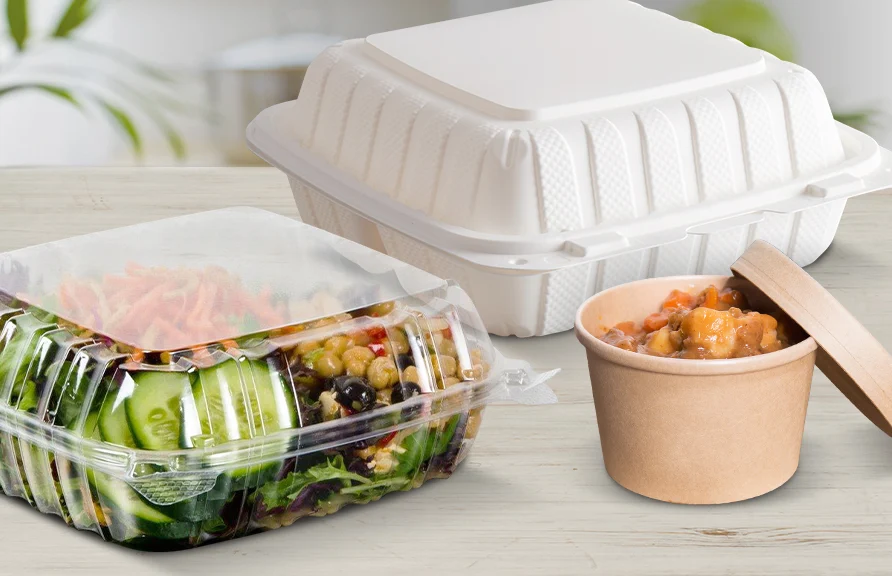
The choice of material plays a significant role in the safety and functionality of packaging. Here are some of the most common materials approved for direct food contact:
- Plastics: Polyethylene (PE), polypropylene (PP), and polyethylene terephthalate (PET) are widely used due to their durability and resistance to moisture. However, only specific grades are certified for food use.
- Paper and Cardboard: Often used for dry foods, these materials must be free from harmful dyes, adhesives, and coatings. Food-grade paper is typically unbleached and sometimes lined with a food-safe coating.
- Glass: Non-reactive and impermeable, glass is ideal for beverages and preserves. It does not leach chemicals and is easily sterilized.
- Metals: Aluminum and tinplate are common for cans and foils. These metals are often coated with food-safe lacquers to prevent corrosion and contamination.
- Biodegradable Options: Materials like PLA (polylactic acid) and molded pulp are gaining popularity for their sustainability and compliance with food safety standards.
How to Identify Food-Safe Packaging
Recognizing packaging that is safe for food involves more than just checking the material. Look for the following indicators:
- Certifications and Symbols: Many products display symbols such as a wine glass and fork, which indicate suitability for food contact. Certifications from recognized bodies add another layer of assurance.
- Manufacturer Declarations: Reputable suppliers provide documentation confirming compliance with food safety regulations.
- Testing and Traceability: Food-safe packaging is often tested for migration of substances, and traceability systems ensure that materials can be tracked back to their source.
For a deeper dive into evaluating packaging safety, you can refer to this comprehensive guide on determining if a packaging material is food safe.
Risks of Non-Compliant Packaging
Using packaging that does not meet food safety standards can have serious consequences. Potential risks include:
- Chemical Migration: Harmful substances from inks, adhesives, or plastics can leach into food, especially under heat or acidic conditions.
- Microbial Contamination: Poorly manufactured or stored packaging may harbor bacteria or mold.
- Legal and Financial Repercussions: Non-compliance can lead to product recalls, fines, and damage to brand reputation.
Compliance and Regulatory Standards
Meeting regulatory requirements is essential for anyone involved in the food supply chain. Key standards include:
- FDA (U.S.): Sets out the Code of Federal Regulations (CFR) Title 21 for food contact substances.
- EFSA (Europe): Provides guidelines and positive lists of permitted substances for food contact materials.
- Global Harmonization: Many countries align with international standards such as ISO 22000 for food safety management.
Staying updated on these regulations is crucial, especially as new materials and technologies emerge. For those interested in how printing and packaging innovations are shaping other industries, the article on what is the future of smart textiles and printing offers valuable insights.
Best Practices for Ensuring Food Packaging Safety
To maintain the integrity of food products and protect consumers, businesses should adopt the following best practices:
- Source from Trusted Suppliers: Work with vendors who provide clear documentation and have a track record of compliance.
- Regular Testing: Conduct migration and contamination tests, especially when introducing new packaging materials.
- Employee Training: Ensure staff are aware of handling procedures and the importance of using only approved materials.
- Proper Storage: Store packaging in clean, dry environments to prevent contamination before use.
Trends and Innovations in Sustainable Food Packaging
As environmental concerns grow, the industry is shifting toward eco-friendly options that do not compromise safety. Advances in biodegradable plastics, compostable containers, and recyclable materials are making it easier for brands to meet both safety and sustainability goals.
Innovations such as edible films, smart packaging with freshness indicators, and plant-based coatings are also gaining traction. These developments are helping to reduce waste and improve the overall safety of packaged foods.
FAQ: Common Questions About Food-Safe Packaging
What does “food grade” mean in packaging?
“Food grade” refers to materials that are safe for direct contact with food, as determined by regulatory agencies. These materials do not contain harmful chemicals and will not affect the taste, odor, or safety of the food.
How can I tell if packaging is safe for food?
Look for certifications, symbols, or documentation from the manufacturer. Packaging labeled with a glass and fork symbol or accompanied by compliance certificates is typically safe for food contact. You can also request test reports or check regulatory databases for approved materials.
Are biodegradable and compostable packages always food safe?
Not necessarily. While many biodegradable and compostable materials are designed for food use, they must still meet the same safety standards as traditional packaging. Always verify certifications and ensure the product is intended for direct food contact.
Why is it important to use only certified food-safe packaging?
Using certified packaging protects consumers from potential health risks, ensures compliance with laws, and helps maintain product quality. Non-certified materials can lead to contamination, recalls, and legal issues.
Understanding the essentials of food-safe packaging explained helps businesses and consumers make informed choices, ensuring that food remains safe, fresh, and compliant with regulations from production to consumption.