Block printing has become a cornerstone for many creators seeking sustainable and artisanal approaches to textile design. For those invested in slow fashion, understanding traditional and modern block printing methods can unlock new creative possibilities while supporting ethical production values. This guide explores the essential techniques, tools, and best practices for designers who want to incorporate block printing into their collections.
By mastering these methods, designers can produce unique, small-batch garments that stand apart from mass-produced fashion. The tactile nature of block printing, combined with its eco-friendly potential, makes it a perfect fit for brands focused on mindful consumption and craftsmanship. For those interested in the intersection of technology and textile innovation, you may also find value in learning about what is the future of smart textiles and printing as a complement to traditional techniques.
Understanding Block Printing for Sustainable Fashion
Block printing is a centuries-old technique that involves transferring ink or dye onto fabric using hand-carved blocks, typically made from wood, linoleum, or rubber. Each block is meticulously carved with a pattern or motif, then pressed onto the textile to create a repeatable design. This process is inherently slow and manual, aligning perfectly with the principles of slow fashion—prioritizing quality, longevity, and ethical production over speed and volume.
For designers, block printing offers several advantages:
- Customization: Each print can be altered or adapted, resulting in truly one-of-a-kind pieces.
- Low environmental impact: The process uses minimal machinery and can utilize natural dyes.
- Support for artisans: Many block printing traditions are rooted in local communities, supporting fair labor and cultural preservation.
Essential Tools and Materials for Block Printing
Before starting, it’s important to gather the right tools and materials. Here’s what every slow fashion designer should have on hand:
- Blocks: These can be hand-carved from wood, linoleum, or rubber. Wood blocks are traditional and durable, while linoleum and rubber are easier to carve for beginners.
- Carving tools: Gouges and knives for shaping the block’s surface.
- Textile inks or dyes: Water-based inks are popular for their low toxicity and easy cleanup. Natural dyes can enhance sustainability.
- Brayer or roller: Used to evenly apply ink to the block.
- Printing surface: A padded table or printing mat helps achieve even pressure.
- Fabrics: Natural fibers like cotton, linen, and silk work best, as they absorb dye well and are eco-friendly.
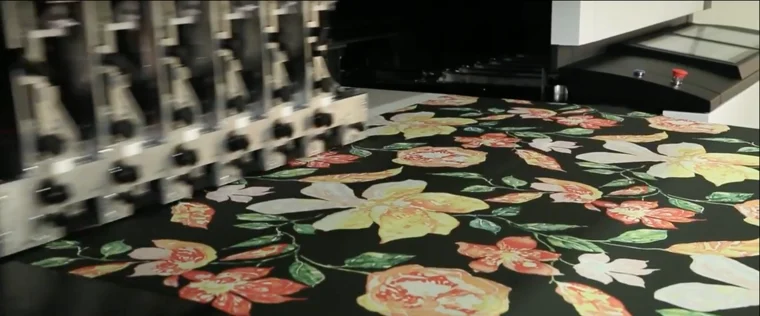
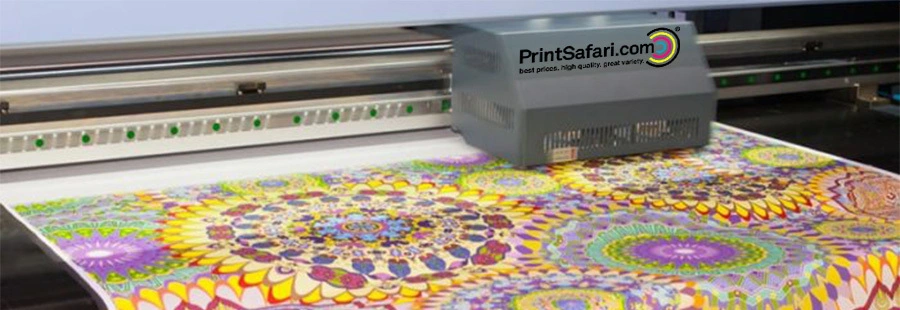
For those interested in experimenting with digital and hybrid approaches, exploring digital textile printing methods can provide additional inspiration and flexibility.
Step-by-Step Process: Traditional Block Printing Methods
To achieve the best results, follow these core steps:
- Design and carve your block: Sketch your motif on paper, transfer it to your block, and carefully carve away the negative space. Remember, the raised areas will transfer ink to the fabric.
- Prepare your fabric: Wash and iron the textile to remove sizing and wrinkles. Secure it to your printing surface.
- Apply ink: Use a brayer to roll a thin, even layer of ink onto the block’s surface.
- Print: Press the block firmly onto the fabric, applying even pressure. Lift straight up to avoid smudging.
- Repeat: Align the block for repeat patterns, or rotate for more organic designs.
- Set the ink: Follow the manufacturer’s instructions for heat-setting or curing the ink, ensuring durability through washing and wear.
This hands-on process allows for creative freedom and intentional imperfections, which are celebrated in the world of slow fashion.
Modern Innovations in Block Printing for Ethical Fashion
While traditional block printing remains popular, modern designers are exploring new materials and hybrid techniques. Some combine hand-carved blocks with digital tools to create intricate, multi-layered designs. Others experiment with eco-friendly inks, recycled fabrics, and collaborative workshops to foster community engagement.
For those curious about integrating advanced technology with artisanal methods, resources on how to use digital printing for fashion trend forecasting can provide valuable insights. This blend of old and new supports both creative expression and sustainable business practices.

Tips for Success in Slow Fashion Block Printing
To make the most of block printing in your sustainable fashion line, keep these tips in mind:
- Start simple: Begin with basic shapes and single-color prints before moving to more complex, multi-color designs.
- Test on scraps: Always test your block and ink on fabric scraps to refine your technique and check alignment.
- Embrace imperfections: Slight variations add character and authenticity, distinguishing your work from mass-produced textiles.
- Document your process: Keep notes on ink recipes, pressure, and alignment for consistent results in future projects.
- Prioritize sustainability: Choose natural fabrics, water-based or plant-based inks, and minimize waste wherever possible.
Designers interested in expanding their studio capabilities may benefit from learning about how to set up a small scale fashion printing studio, which covers essential equipment and workflow tips for small-batch production.
Integrating Block Printing into Your Brand’s Story
Hand-printed textiles offer more than aesthetic value—they tell a story of craftsmanship, intention, and sustainability. By sharing your process with customers, you can highlight the ethical and artistic choices that set your brand apart. Consider documenting your block carving, printing sessions, and finished garments through photos or short videos to engage your audience and build trust.
Additionally, collaborating with local artisans or hosting workshops can deepen your connection to the community and reinforce your commitment to ethical fashion. For brands with a global reach, exploring the benefits of localized printing for global brands can further reduce environmental impact and support local economies.
FAQ: Block Printing and Slow Fashion
What fabrics are best suited for block printing in sustainable fashion?
Natural fibers such as cotton, linen, and silk are ideal for block printing. They absorb dyes well, are biodegradable, and align with eco-friendly values. Avoid synthetic fabrics, as they may not hold the print as effectively and are less sustainable.
How can I ensure my block printed designs are long-lasting?
To achieve durable prints, use high-quality textile inks or natural dyes and follow proper heat-setting or curing instructions. Pre-washing fabrics and testing your process on scraps will also help ensure consistency and longevity.
Is block printing scalable for small fashion brands?
Yes, block printing is well-suited for small-batch production. While it is time-intensive, it allows for customization and limited edition runs, which can be marketed as exclusive and artisanal. For larger volumes, consider combining block printing with other methods or collaborating with skilled artisans.
Conclusion: Embracing Artisanal Techniques in Ethical Fashion
Block printing offers slow fashion designers a powerful way to create distinctive, sustainable textiles that reflect both artistry and ethical values. By mastering traditional methods and exploring modern innovations, you can produce garments that resonate with conscious consumers and contribute to a more mindful fashion industry. Whether you’re just starting out or looking to refine your skills, the world of block printing holds endless creative potential for those committed to quality and sustainability.