As the meal prep industry continues to grow, ensuring the safety and quality of delivered food is more important than ever. Food-safe packaging for meal prep not only protects meals during transit but also helps businesses comply with health regulations and build trust with customers. Choosing the right containers and materials can make a significant difference in food freshness, presentation, and overall customer satisfaction.
For entrepreneurs and established companies alike, understanding the essentials of compliant, hygienic packaging is a must. In this guide, we’ll explore the key considerations for selecting safe packaging, the most popular materials used in the industry, and how to balance safety, sustainability, and branding. If you’re interested in how technology and printing trends are shaping related industries, you might also find what is the future of smart textiles and printing insightful.
Why Food-Safe Packaging Matters for Meal Prep Companies
Proper packaging is more than just a container for your food—it’s a crucial part of your business’s reputation and compliance. Using food-safe packaging for meal prep ensures that meals reach customers in optimal condition, free from contamination or spoilage. This is especially important for businesses that deliver ready-to-eat or perishable items.
Food safety regulations require packaging to be made from materials that do not leach harmful chemicals or interact negatively with food. Non-compliance can result in fines, product recalls, or even business closure. Beyond legal requirements, safe packaging also reassures customers that their health is a top priority, which can lead to repeat business and positive reviews.
Key Features of Safe and Compliant Meal Prep Packaging
When evaluating packaging options, there are several features to consider to ensure both safety and practicality:
- Material Safety: Containers should be made from FDA-approved, food-grade materials that are free from BPA, phthalates, and other harmful substances.
- Leak-Proof and Airtight Seals: Prevents spills, cross-contamination, and keeps food fresh during delivery.
- Temperature Resistance: Packaging should withstand both refrigeration and reheating, especially if meals are meant to be microwaved or frozen.
- Clear Labeling: Information about ingredients, allergens, and expiration dates should be easy to read and securely attached to the packaging.
- Portion Control: Divided containers help keep different meal components separate and maintain portion sizes.
Popular Materials Used in Food-Safe Meal Prep Packaging
There are several types of materials commonly used in the meal prep industry, each with its own advantages and considerations:
Plastic Containers
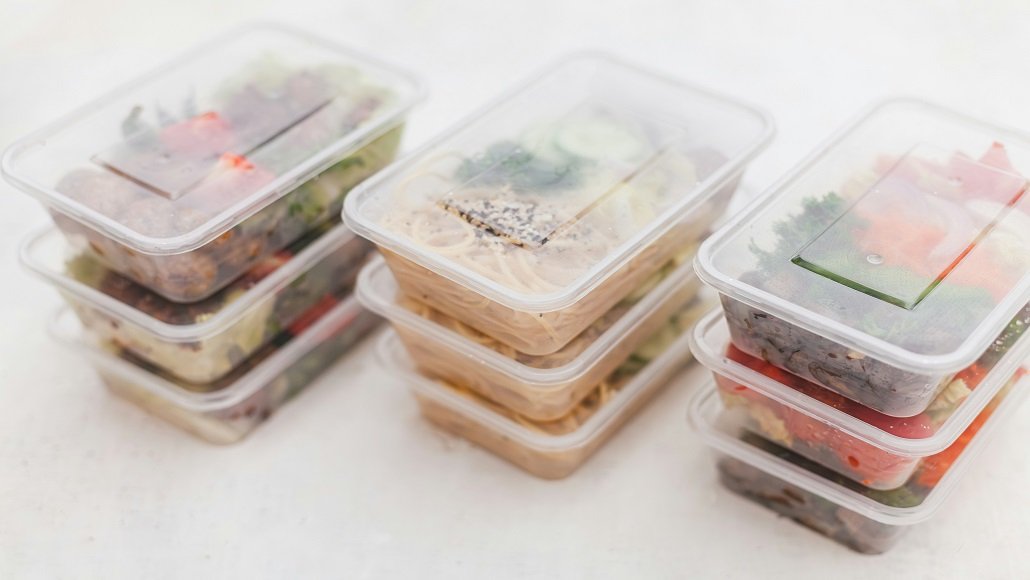
Plastic is widely used due to its durability, lightweight nature, and cost-effectiveness. Look for containers labeled as food-grade, BPA-free, and microwave-safe. Polypropylene (PP) and polyethylene terephthalate (PET) are two of the most common plastics used for meal prep packaging. They offer good resistance to heat and are less likely to leach chemicals when used properly.
Paper and Cardboard
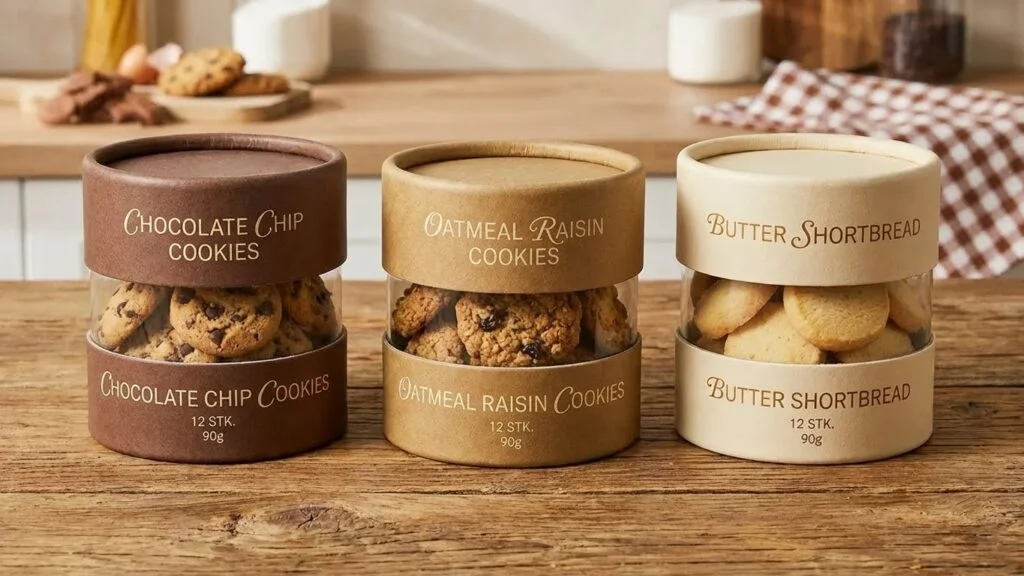
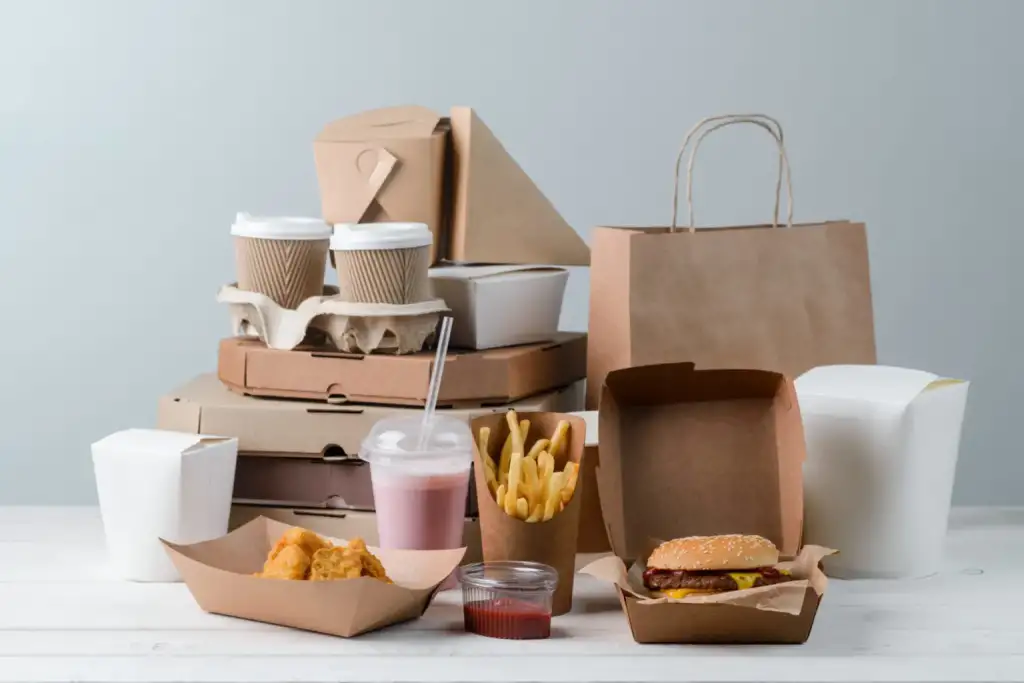
Paper-based packaging, often lined with a thin layer of plastic or wax, is a popular choice for eco-conscious businesses. These containers are biodegradable and can be customized with branding. However, they may not be suitable for very moist or oily foods unless specially treated.
Aluminum
Aluminum trays are excellent for heat retention and are oven-safe, making them ideal for meals that require reheating. They are also recyclable, but not all customers may have access to appropriate recycling facilities.
Compostable and Biodegradable Options
As sustainability becomes a higher priority, many companies are turning to compostable packaging made from materials like cornstarch, sugarcane bagasse, or PLA (polylactic acid). These options reduce environmental impact but may have limitations regarding heat resistance and shelf life.
Regulatory Standards and Certifications
Compliance with local and international food safety standards is non-negotiable. In the United States, the FDA regulates materials that come into contact with food. Look for packaging that meets FDA, EU, or other relevant certifications. Some packaging may also carry additional certifications for compostability or recyclability.
For more on the science behind packaging safety, the impact of food packaging materials on safety and health provides an in-depth look at how different substances interact with food products.
Balancing Safety, Sustainability, and Branding
Modern consumers are increasingly aware of both food safety and environmental impact. Striking the right balance between these priorities can set your business apart. Here are some strategies:
- Choose Recyclable or Compostable Materials: Whenever possible, opt for packaging that can be easily recycled or composted by your customers.
- Invest in Custom Branding: High-quality printing and labeling not only enhance your brand but also help communicate important safety and ingredient information. If you’re interested in how printing innovations can benefit your business, explore benefits of localized printing for global brands.
- Educate Customers: Use packaging inserts or labels to inform customers about proper disposal and reheating instructions.
Best Practices for Selecting Meal Prep Packaging
To ensure your packaging meets both business and customer needs, consider the following best practices:
- Test for Compatibility: Before committing to a packaging supplier, test containers with your actual meals to check for leaks, durability, and ease of use.
- Order Samples: Many suppliers offer sample packs. Use these to evaluate material quality, sealing mechanisms, and how well the packaging holds up during delivery.
- Prioritize Supplier Transparency: Work with suppliers who provide clear documentation about material safety and compliance certifications.
- Stay Updated on Regulations: Food safety standards can change. Regularly review local and national guidelines to ensure ongoing compliance.
- Gather Customer Feedback: Encourage customers to share their experiences with your packaging. Their input can help you make improvements and address any issues quickly.
Frequently Asked Questions
What makes packaging food-safe for meal prep businesses?
Food-safe packaging is made from materials that do not release harmful chemicals into food and are approved by regulatory agencies like the FDA. These containers are designed to prevent contamination, preserve freshness, and withstand temperature changes during storage and transport.
Are compostable containers as safe as traditional plastic for meal prep?
Compostable containers can be just as safe as plastic, provided they meet food-grade standards and certifications. However, it’s important to verify that these materials are suitable for your specific meal types, especially if they will be reheated or stored for extended periods.
How can meal prep businesses ensure their packaging is compliant with regulations?
Work with reputable suppliers who provide documentation of compliance with FDA or other relevant food safety standards. Regularly review updated regulations and consider third-party certifications for added assurance.
Conclusion
Choosing the right food-safe packaging for meal prep operations is essential for protecting your customers, maintaining compliance, and building a reputable brand. By understanding material options, regulatory requirements, and best practices, meal prep businesses can deliver safe, fresh, and appealing meals every time. As the industry evolves, staying informed about packaging innovations and customer preferences will help your business thrive in a competitive market.