Future trends in additive manufacturing are reshaping how products are designed, produced, and delivered across industries. As 3D printing and related technologies mature, they are unlocking new possibilities for customization, efficiency, and sustainability. From automotive to healthcare, the next wave of advancements promises to accelerate innovation and disrupt traditional manufacturing models.
This article explores the most significant developments on the horizon for additive manufacturing, including emerging materials, smarter software, and the integration of digital workflows. Whether you’re a manufacturer, designer, or simply interested in the evolution of production technologies, understanding these trends is essential for staying ahead.
For those interested in related advances in textile and printing, see our guide on what is the future of smart textiles and printing for a look at how digital innovation is transforming other sectors.
Key Drivers Shaping the Next Generation of 3D Printing
The additive manufacturing landscape is evolving rapidly, driven by several core factors. These include the demand for mass customization, the push for sustainable production, and the integration of digital design tools. As these forces converge, they are enabling manufacturers to create complex parts faster, with less waste and greater flexibility.
- Mass Customization: The ability to produce unique or low-volume parts economically is a hallmark of 3D printing. This is particularly valuable in industries like healthcare (custom implants) and automotive (bespoke components).
- Sustainability: Additive processes often use only the material required for the part, reducing waste compared to subtractive methods. New recyclable and bio-based materials are also emerging.
- Digital Integration: Advances in software and connectivity are making it easier to move from digital design to physical part, streamlining the entire workflow.
Emerging Materials: Expanding the Possibilities
One of the most exciting areas in the evolution of 3D printing is the development of new materials. Early applications were limited to plastics and simple resins, but today’s innovators are pushing the boundaries with metals, ceramics, composites, and even living cells.
Some notable material trends include:
- High-Performance Polymers: Materials like PEEK and ULTEM are enabling parts that can withstand extreme temperatures and chemicals, opening doors for aerospace and medical applications.
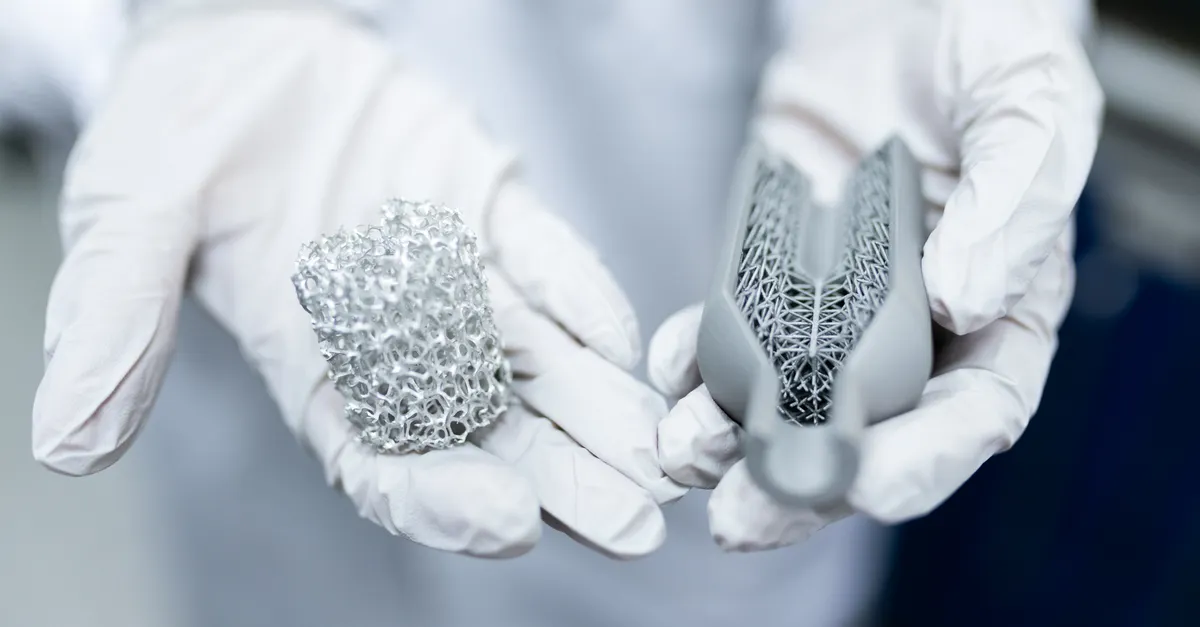
- Metal Additive Manufacturing: Titanium, stainless steel, and aluminum powders are now widely used, allowing for lightweight yet strong parts in critical industries.
- Bio-Based and Recyclable Materials: Sustainable options are gaining traction, supporting a circular economy and reducing environmental impact.
Automation and Smart Manufacturing: The Digital Thread
As additive manufacturing technologies become more advanced, automation and smart factory concepts are taking center stage. The integration of sensors, real-time monitoring, and artificial intelligence is transforming 3D printing from a standalone process into a fully connected part of the digital manufacturing ecosystem.
Key developments include:
- Automated Post-Processing: Robotics and AI-driven systems are reducing manual labor and improving consistency in finishing steps like support removal and surface treatment.
- Closed-Loop Quality Control: In-process monitoring ensures parts meet strict tolerances, reducing waste and rework.
- Digital Twins and Predictive Maintenance: Virtual models and data analytics help optimize machine uptime and predict failures before they occur.
For more on how digital workflows are impacting other creative industries, our article on how to use digital printing for fashion trend forecasting offers additional insights.
Software Innovations: From Design to Production
Modern additive manufacturing relies heavily on sophisticated software tools. These platforms are evolving to provide more intuitive design interfaces, automated optimization, and seamless integration with production hardware.
Recent software trends include:
- Generative Design: AI-powered algorithms automatically create optimized structures that use less material while maintaining strength.
- Simulation and Validation: Virtual testing reduces the need for costly prototypes and speeds up development cycles.
- Cloud-Based Collaboration: Teams can work together on designs from anywhere, accelerating innovation and reducing time to market.
For a deeper dive into 3D printing software, explore Autodesk’s 3D printing solutions for a look at how leading platforms are shaping the future of digital manufacturing.
Industry Applications: Where Additive Manufacturing Is Headed Next
As the technology matures, additive manufacturing is moving beyond prototyping and into full-scale production in a variety of sectors. Some of the most promising applications include:
- Healthcare: Patient-specific implants, dental devices, and bioprinted tissues are becoming more common as materials and precision improve.
- Aerospace and Automotive: Lightweight, complex parts are reducing fuel consumption and enabling new designs that were previously impossible.
- Consumer Goods: Customization and rapid iteration are allowing brands to respond quickly to market trends and consumer preferences.
Localized and on-demand production is also gaining ground. For a closer look at how this impacts global supply chains, read about the benefits of localized printing for global brands.
Challenges and Opportunities Ahead
While the outlook for additive manufacturing is bright, several challenges remain. These include scaling up production volumes, ensuring consistent quality, and addressing intellectual property concerns. However, ongoing research and collaboration across industries are steadily overcoming these barriers.
Opportunities abound for those who invest in the right skills, technologies, and partnerships. As the ecosystem matures, expect to see even greater integration with other digital manufacturing methods, further blurring the lines between design and production.
Frequently Asked Questions
What industries are most likely to benefit from advances in additive manufacturing?
Healthcare, aerospace, automotive, and consumer goods are among the leading sectors adopting 3D printing for both prototyping and end-use parts. As materials and processes improve, more industries are expected to leverage these technologies for customized, efficient production.
How is sustainability addressed in modern 3D printing?
Additive manufacturing reduces material waste by building objects layer by layer. The use of recyclable, biodegradable, and bio-based materials is increasing. Additionally, localized production helps cut transportation emissions and supports a more sustainable supply chain.
What skills are important for professionals entering the additive manufacturing field?
Key skills include proficiency in CAD and 3D modeling, understanding of materials science, and familiarity with digital manufacturing workflows. Knowledge of automation, robotics, and quality control systems is also valuable as the industry becomes more integrated and data-driven.
Conclusion
The landscape of additive manufacturing is evolving at a rapid pace, driven by breakthroughs in materials, automation, and digital integration. As these trends continue to unfold, they will redefine how products are designed, manufactured, and delivered. Staying informed about these innovations will be crucial for anyone looking to leverage the full potential of 3D printing in the years ahead.