Metal food-safe packaging plays a vital role in the global food industry, ensuring that products remain fresh, uncontaminated, and appealing to consumers. From canned vegetables to ready-to-eat meals, metal containers are a staple for both manufacturers and shoppers seeking quality and safety. Understanding the materials, processes, and standards behind these containers helps businesses and consumers make informed choices about food storage and preservation.
In this guide, we’ll explore the fundamentals of metal packaging for food, including its benefits, safety standards, and how it compares to other packaging options. We’ll also touch on innovations and sustainability trends shaping the future of this essential industry sector. For those interested in related advancements, you might also want to learn about what is the future of smart textiles and printing for a broader view of material innovation.
Key Materials Used in Food-Grade Metal Packaging
Most metal food-safe packaging is made from either aluminum or tin-plated steel. These materials are favored for their durability, barrier properties, and compatibility with various food types. Here’s a closer look at the main metals used:
- Aluminum: Lightweight, corrosion-resistant, and fully recyclable, aluminum is commonly used for beverage cans, foil wraps, and trays. Its non-reactive nature makes it suitable for acidic foods and drinks.
- Tin-Plated Steel: Steel coated with a thin layer of tin provides strength and prevents rusting. This combination is widely used for canned goods, offering a reliable barrier against light, oxygen, and contaminants.
Both materials are selected for their ability to preserve food quality and extend shelf life. They also support high-speed manufacturing and can be shaped into various forms to suit different products.
Why Choose Metal for Safe Food Packaging?
There are several reasons why manufacturers and brands rely on metal food-safe packaging for their products:
- Excellent Barrier Protection: Metal containers block out light, air, and moisture, helping to prevent spoilage and contamination.
- Long Shelf Life: Foods packaged in metal can remain safe and fresh for months or even years, reducing food waste.
- Strength and Durability: Metal packaging resists crushing, punctures, and tampering, making it ideal for transport and storage.
- Recyclability: Both aluminum and steel can be recycled indefinitely without loss of quality, supporting sustainability goals.
- Versatility: Metal containers can be used for a wide range of foods, from soups and sauces to pet food and beverages.
These advantages make metal a preferred choice for food safety and preservation, especially when compared to some plastics and other materials that may not offer the same level of protection or recyclability.
Food Safety Standards and Regulations
Ensuring that metal packaging is truly food-safe involves strict adherence to international standards and regulations. Manufacturers must use approved materials and coatings that prevent chemical migration into food. Common safety measures include:
- Food-Grade Linings: Most metal cans are lined with a thin layer of food-safe polymer or enamel to prevent direct contact between the metal and the food, reducing the risk of corrosion or contamination.
- Regulatory Compliance: Agencies such as the U.S. Food and Drug Administration (FDA) and the European Food Safety Authority (EFSA) set guidelines for acceptable materials and manufacturing processes.
- Quality Control: Regular testing for contaminants, proper sealing, and structural integrity is essential to maintain food safety.
For a deeper dive into what makes packaging food-grade, you can refer to this comprehensive overview of food-grade packaging standards.
Types of Metal Packaging for Food Products
There are several forms of metal food-safe packaging used across the food industry. Each type is designed to suit specific products and processing methods:
- Cans: The most common form, used for vegetables, fruits, meats, fish, and ready meals. Cans can be round, rectangular, or custom-shaped.
- Aerosol Containers: Used for whipped cream, cooking sprays, and some beverages, these rely on pressurized metal to dispense contents safely.
- Foil Trays and Lids: Popular for takeout, frozen meals, and baking, aluminum trays are lightweight and oven-safe.
- Metal Bottles and Jars: Increasingly used for specialty beverages, sauces, and condiments, offering a premium look and feel.
Comparing Metal Packaging to Other Materials
While metal is a leading choice for food safety, it’s important to understand how it compares to alternatives like plastic, glass, and paper-based packaging:
| Material | Barrier Properties | Durability | Recyclability | Common Uses |
|---|---|---|---|---|
| Metal | Excellent | High | Very High | Cans, trays, bottles |
| Plastic | Varies | Moderate | Limited | Bottles, wraps, tubs |
| Glass | Excellent | Fragile | High | Jars, bottles |
| Paper/Cardboard | Poor | Low | High | Boxes, cartons |
Metal stands out for its combination of strength, protection, and recyclability, though it can be heavier and more energy-intensive to produce than some alternatives. The choice often depends on the specific food product and distribution needs.
Trends and Innovations in Metal Food Packaging
The industry is evolving to meet new consumer and environmental demands. Key trends include:
- Lightweighting: Advances in manufacturing allow for thinner, lighter cans without sacrificing strength, reducing material use and shipping costs.
- BPA-Free Linings: New coatings are being developed to replace bisphenol A (BPA) in can linings, addressing health concerns and regulatory changes.
- Smart Packaging: Integration of QR codes, freshness indicators, and tamper-evident features enhances safety and consumer engagement.
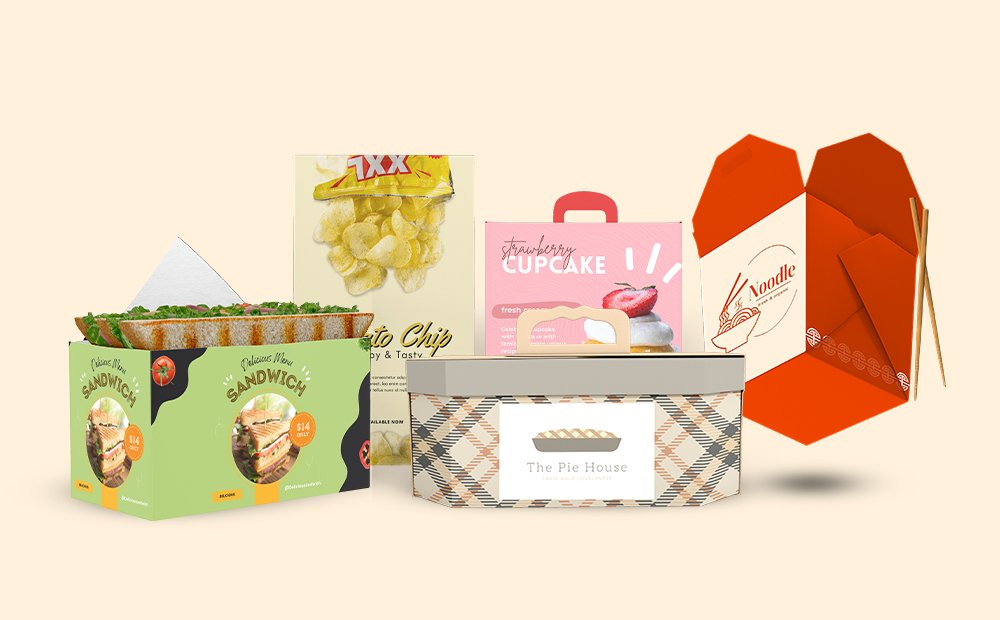
- Design Customization: Brands are using unique shapes, embossing, and high-quality printing to differentiate products and improve shelf appeal.
These innovations are helping metal packaging remain competitive and relevant in a rapidly changing market. For those interested in creative approaches to packaging and printing, exploring how to print on cork and non-traditional materials can provide further inspiration.
Environmental Impact and Sustainability
One of the strongest arguments for metal food-safe packaging is its sustainability. Both aluminum and steel are among the most recycled materials worldwide, with recycling rates often exceeding 70%. Key environmental benefits include:
- Closed-Loop Recycling: Metal can be recycled repeatedly without losing quality, reducing the need for virgin materials.
- Energy Savings: Recycling aluminum saves up to 95% of the energy required to produce it from raw ore.
- Waste Reduction: Durable packaging means less food spoilage and waste throughout the supply chain.
Consumers and brands are increasingly prioritizing eco-friendly packaging, making metal a strong choice for those seeking to minimize their environmental footprint.
Frequently Asked Questions
What makes metal packaging food-safe?
Metal packaging is considered food-safe when it uses approved materials, such as aluminum or tin-plated steel, and includes food-grade linings or coatings that prevent chemical migration and contamination. Manufacturers must comply with strict regulations and conduct regular testing to ensure safety.
Can metal food containers be recycled?
Yes, both aluminum and steel food containers are highly recyclable. They can be processed and reused indefinitely without losing quality, making them one of the most sustainable packaging options available.
Are there any health concerns with metal packaging?
Modern metal packaging is designed to be safe for food contact. However, concerns have been raised about certain can linings, such as those containing BPA. Many manufacturers now use BPA-free alternatives to address these issues and comply with updated regulations.