Flexible material 3D printing has rapidly evolved from a niche capability to a mainstream solution across industries. By enabling the creation of soft, stretchable, and durable parts directly from digital files, this technology opens up new possibilities in product design, prototyping, and manufacturing. Whether for wearable devices, custom footwear, or advanced robotics, the ability to print with flexible filaments and resins is transforming the way engineers and designers approach problem-solving.
Understanding the methods, materials, and real-world uses of flexible 3D printing is essential for anyone interested in modern fabrication. This article explores the core techniques, highlights key applications, and provides practical guidance for those looking to leverage this innovative technology. For readers interested in broader trends, the article on what is the future of smart textiles and printing offers additional insights into the intersection of advanced materials and digital manufacturing.
Understanding Flexible 3D Printing Materials
The success of printing flexible parts depends heavily on the choice of material. The most common options include thermoplastic elastomers (TPE), thermoplastic polyurethane (TPU), and flexible photopolymer resins. These materials are engineered to combine elasticity with durability, making them suitable for a wide range of applications.
- TPU: Known for its excellent abrasion resistance and flexibility, TPU is widely used in FDM (Fused Deposition Modeling) printers. It can stretch and return to its original shape, making it ideal for phone cases, gaskets, and wearable bands.
- TPE: Slightly softer than TPU, TPE offers a rubber-like feel and is used in applications requiring higher elasticity, such as grips and seals.
- Flexible Resins: Used in SLA (Stereolithography) and DLP (Digital Light Processing) printers, these resins can produce highly detailed, flexible parts suitable for prototyping and functional testing.
Each material has its own printability characteristics, including temperature requirements, print speed, and post-processing needs. Selecting the right filament or resin is crucial for achieving the desired mechanical properties and surface finish.
Key Techniques for Printing with Flexible Materials
Printing with flexible filaments and resins presents unique challenges compared to standard rigid plastics. Here are some essential techniques to ensure successful results:
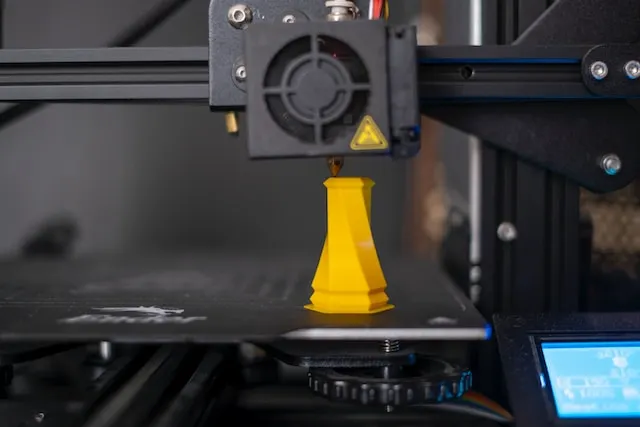
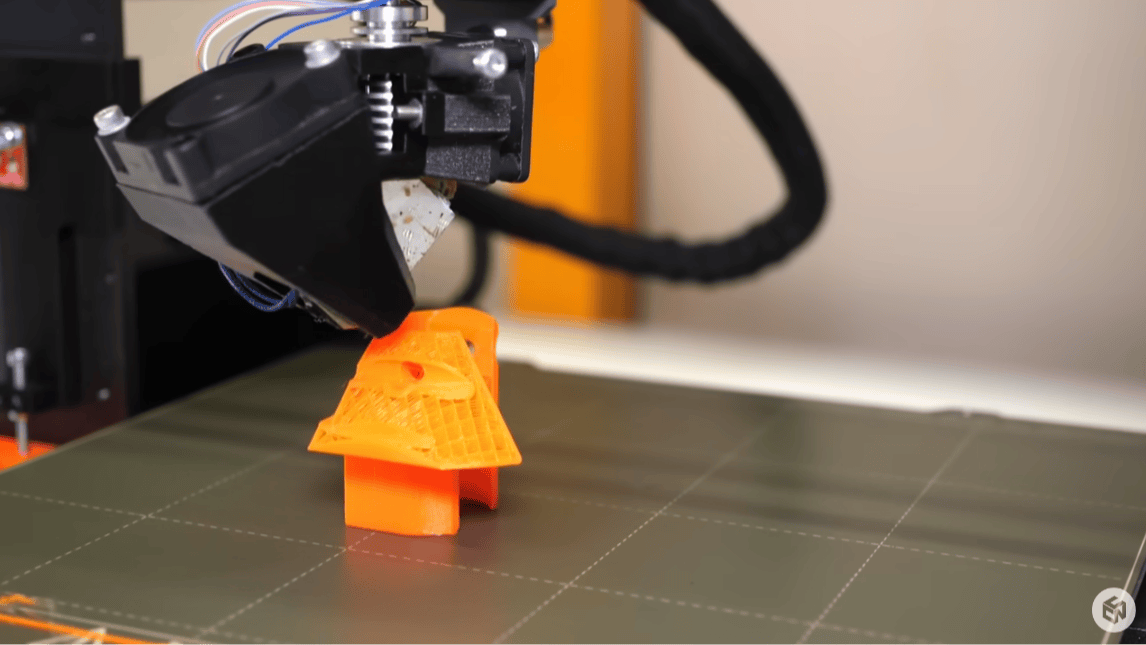
- Direct Drive Extruders: For FDM printers, using a direct drive extruder minimizes the distance between the drive gear and the hot end, reducing the risk of filament buckling and improving extrusion consistency.
- Slower Print Speeds: Flexible materials require slower print speeds to prevent stringing, under-extrusion, and poor layer adhesion. Speeds between 20–40 mm/s are typical for TPU and TPE.
- Optimized Retraction Settings: Retraction should be minimized or disabled to avoid clogging, as flexible filaments can compress and jam in the extruder during retraction moves.
- Proper Bed Adhesion: A clean, heated bed with a suitable surface (such as PEI or glue stick) helps prevent warping and ensures the part remains anchored during printing.
- Post-Processing for Resins: Flexible resin prints may require additional curing under UV light to reach optimal mechanical properties.
For a deeper understanding of how additive manufacturing works, the Department of Energy’s guide on how 3D printers work provides a comprehensive overview of the underlying processes.
Applications of Flexible 3D Printing in Industry
The ability to fabricate custom, flexible components has unlocked new opportunities in several fields. Some of the most impactful uses include:
- Wearable Technology: Flexible 3D printing enables the creation of ergonomic bands, straps, and enclosures for smartwatches, fitness trackers, and medical devices. These parts can be tailored for comfort and durability.
- Prototyping and Product Development: Designers can quickly iterate on soft-touch grips, seals, and cushioning elements, reducing time-to-market for new products.
- Robotics and Automation: Soft robotics relies on flexible actuators and joints, which can be produced efficiently with 3D printing. This approach allows for rapid prototyping and testing of new mechanisms.
- Footwear and Fashion: Custom insoles, midsoles, and even entire shoes can be printed using flexible materials, offering personalized fit and performance. For more on innovative fashion applications, see the article on how to use digital printing for fashion trend forecasting.
- Automotive and Aerospace: Flexible gaskets, vibration dampers, and protective covers can be manufactured on demand, reducing inventory and enabling rapid replacement of critical parts.
These applications illustrate the versatility of flexible 3D printing and its growing role in both prototyping and end-use production.
Challenges and Solutions in Printing Soft Materials
While the benefits are substantial, working with flexible filaments and resins does come with challenges. Common issues include filament jams, poor layer adhesion, and dimensional inaccuracy. Here are some solutions:
- Printer Calibration: Regularly calibrate your printer’s extruder and bed to ensure consistent results with soft materials.
- Material Storage: Flexible filaments are hygroscopic and can absorb moisture from the air, leading to print defects. Store them in airtight containers with desiccant packs.
- Design Considerations: When designing for flexible materials, avoid thin unsupported walls and sharp corners, as these can lead to weak points or warping.
Experimentation and incremental adjustments are key to mastering the process. Many users find that once their printer is dialed in, the reliability of flexible prints improves significantly.
Tips for Getting Started with Flexible 3D Printing
For those new to working with soft materials, a few best practices can make the experience smoother:
- Start with Simple Models: Begin with basic shapes to fine-tune your printer settings before moving on to complex designs.
- Use Manufacturer Recommendations: Always check the recommended print temperature, speed, and bed adhesion methods for your chosen filament or resin.
- Maintain Your Equipment: Clean the extruder and print bed regularly to prevent buildup that could interfere with flexible prints.
- Leverage Community Resources: Online forums and user groups are valuable sources of troubleshooting advice and print profiles tailored for flexible materials.
As you gain experience, you’ll be able to tackle more advanced projects and experiment with multi-material prints, combining flexibility with rigidity in a single object. For those interested in expanding their creative options, learning how to print on cork and non-traditional materials can further broaden your skillset.
Future Directions and Industry Trends
The field of flexible 3D printing continues to advance, with new materials and hybrid manufacturing processes emerging each year. Developments in smart materials, such as conductive or self-healing filaments, are enabling applications in wearable electronics and responsive textiles. The integration of flexible printing with traditional manufacturing is also streamlining production workflows, reducing waste, and enabling greater customization.
For businesses, the benefits of localized, on-demand production are significant. As explored in the article on benefits of localized printing for global brands, the ability to produce flexible components close to the point of use can reduce shipping costs, minimize lead times, and support sustainable practices.
Frequently Asked Questions
What are the most common flexible materials used in 3D printing?
The most popular flexible materials are TPU (thermoplastic polyurethane), TPE (thermoplastic elastomer), and flexible photopolymer resins. Each offers a unique balance of elasticity, strength, and printability, making them suitable for different applications.
Can any 3D printer handle flexible filaments?
Not all printers are optimized for soft materials. Direct drive extruders are generally better suited for flexible filaments than Bowden setups. It’s important to check your printer’s specifications and consider upgrades if you plan to print with flexible materials regularly.
What are some tips to improve print quality with flexible filaments?
Use slower print speeds, minimize retraction, ensure proper bed adhesion, and store filaments in a dry environment. Regular maintenance and calibration of your printer also help achieve consistent results with flexible materials.
Conclusion
Flexible material 3D printing is reshaping how products are designed and manufactured, offering new levels of customization and functionality. By understanding the materials, mastering the techniques, and exploring innovative applications, both hobbyists and professionals can unlock the full potential of this technology. As advancements continue, the range of possibilities will only expand, making flexible 3D printing an essential tool in modern fabrication.