Printing on soft, lightweight materials such as those used for lingerie and underwear presents unique challenges. These fabrics—often silk, satin, lace, or fine synthetics—require special handling to preserve their texture, stretch, and comfort. Whether you’re a designer, printer, or brand looking to add custom patterns or branding to intimate apparel, understanding the right techniques and precautions is essential for achieving high-quality, durable results.
This guide explores practical advice, best practices, and expert insights for working with delicate textiles. You’ll learn how to select the right printing methods, prepare fabrics, and avoid common pitfalls, ensuring your finished products remain beautiful and comfortable to wear.
For those interested in the broader evolution of textile technology, you may also want to explore what is the future of smart textiles and printing for insights into how advanced materials and digital processes are shaping the fashion industry.
Understanding the Challenges of Printing on Fine Lingerie Materials
Delicate fabrics are prized for their softness, stretch, and ability to conform to the body. However, these same qualities make them sensitive to heat, pressure, and chemicals used in many printing processes. Common issues include:
- Distortion or stretching during printing, leading to misaligned designs
- Color bleeding or fading due to improper ink selection
- Damage to fabric structure from excessive heat or harsh chemicals
- Loss of softness or flexibility after printing
To overcome these obstacles, it’s crucial to match your printing technique and materials to the specific type of fabric and end-use requirements.
Choosing the Right Printing Method for Sensitive Fabrics
Several printing techniques are suitable for fine lingerie textiles. The best choice depends on the fabric composition, desired design complexity, and production scale. Here are some of the most effective options:
Digital Printing for Lingerie and Underwear
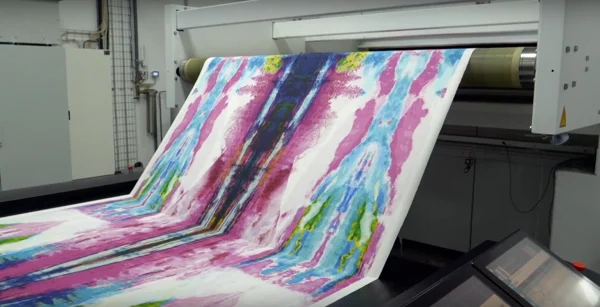
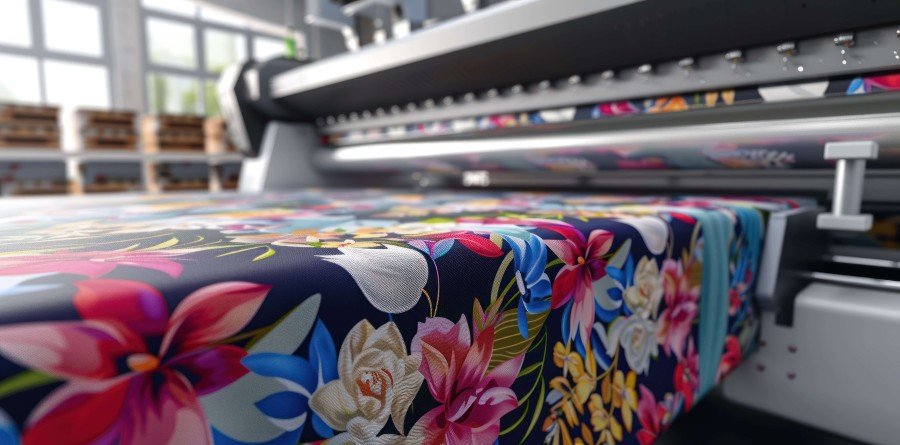
Digital textile printing is increasingly popular for its ability to produce detailed, multi-color designs with minimal impact on fabric hand-feel. This method uses inkjet technology to apply water-based inks directly onto the fabric. Key advantages include:
- Low heat and pressure, reducing risk of fabric damage
- Excellent color vibrancy and design precision
- Suitable for short runs and custom designs
For a deeper understanding of this process, see this comprehensive guide to digital fabric printing.
Sublimation Printing on Synthetic Lingerie Fabrics
Sublimation is ideal for polyester-based materials. It uses heat to transfer dye into the fibers, resulting in vibrant, long-lasting prints that don’t affect the fabric’s stretch or softness. However, this method is not suitable for natural fibers like silk or cotton.
Screen Printing for Delicate Textiles
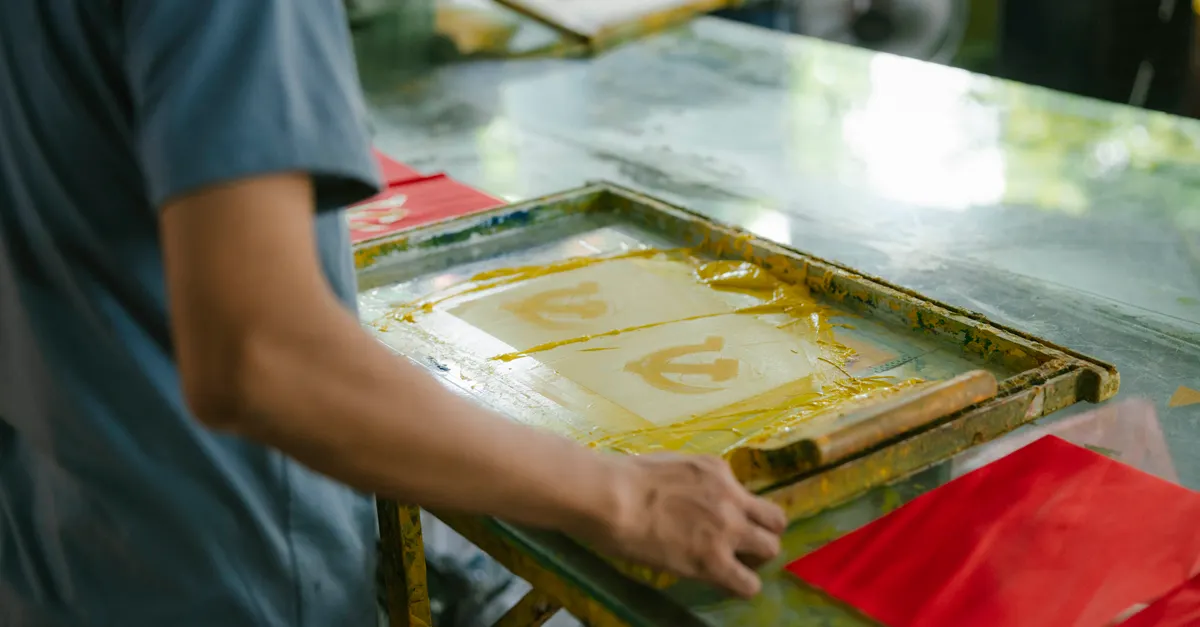
Screen printing can be used for simple designs and larger production runs. When working with delicate materials, it’s important to use fine mesh screens, gentle squeegee pressure, and inks formulated for soft hand-feel. Avoid heavy ink layers that can stiffen the fabric.
Preparing Fabrics for Printing: Key Steps
Proper preparation is essential for achieving crisp, durable prints on lingerie materials. Follow these steps for best results:
- Pre-wash the fabric to remove sizing agents, oils, or residues that can interfere with ink adhesion.
- Stabilize stretchy fabrics by mounting them on adhesive sheets or frames to prevent distortion during printing.
- Test print on a small swatch to check for colorfastness, shrinkage, and overall appearance.
- Ensure the fabric is completely dry and free of wrinkles before starting the print process.
Best Practices for Handling and Finishing Printed Lingerie
After printing, careful handling and finishing are crucial to maintain the fabric’s integrity and the print’s longevity. Consider the following tips:
- Allow inks to cure fully according to manufacturer instructions—rushing this step can lead to fading or washout.
- Use gentle heat settings for post-print drying or curing, especially with heat-sensitive materials like silk and lace.
- Handle printed fabrics with clean hands or gloves to avoid transferring oils or dirt.
- For garments that require sewing after printing, use sharp needles and fine threads to prevent snags or runs.
Common Mistakes to Avoid When Printing on Lingerie Materials
Even experienced printers can encounter issues when working with fine fabrics. Here are some pitfalls to watch out for:
- Using inks or dyes not designed for stretch or lightweight textiles, resulting in cracking or stiff prints
- Applying too much heat, which can scorch or shrink the fabric
- Skipping test prints, leading to costly errors in color or registration
- Neglecting to stabilize the fabric, causing misaligned or distorted designs
By following best practices and staying attentive to the unique needs of each material, you can avoid these common problems and achieve professional results.
Innovations and Trends in Lingerie Fabric Printing
The world of intimate apparel is constantly evolving, with new technologies making it easier to create custom, sustainable, and high-quality prints. Digital advancements allow for on-demand production, reducing waste and enabling greater design flexibility. For those interested in how these trends are shaping the industry, consider reading about how to use digital printing for fashion trend forecasting to stay ahead of the curve.
Eco-friendly inks and processes are also gaining traction, allowing brands to offer beautiful printed lingerie while minimizing environmental impact. As consumer demand for personalization grows, the ability to print intricate, custom designs on delicate materials will continue to be a valuable skill for designers and manufacturers alike.
FAQ: Printing on Lingerie and Underwear Fabrics
What is the best printing method for silk or satin lingerie?
For silk and satin, digital printing with water-based inks is often the best choice. This method preserves the fabric’s softness and sheen while delivering vibrant colors. Always test a small area first to ensure compatibility and avoid damage.
How can I prevent prints from cracking or peeling on stretch fabrics?
Use inks specifically formulated for stretch textiles and avoid heavy ink layers. Stabilize the fabric during printing to prevent distortion, and allow prints to cure fully before handling or washing.
Are there eco-friendly options for printing on delicate underwear materials?
Yes, many digital printing processes use water-based, non-toxic inks that are safer for both the environment and the wearer. Look for suppliers who prioritize sustainable practices and certified inks to ensure your products meet modern eco standards.
Can I print detailed, multi-color designs on lace or mesh?
It is possible, but requires careful technique. Digital printing can handle complex designs, but the open structure of lace or mesh may limit detail. Always test your design and adjust for the fabric’s characteristics.
How do I care for printed lingerie to maintain its appearance?
Wash printed lingerie by hand or on a gentle machine cycle using mild detergent. Avoid high heat during drying and ironing, and store garments away from direct sunlight to prevent fading.