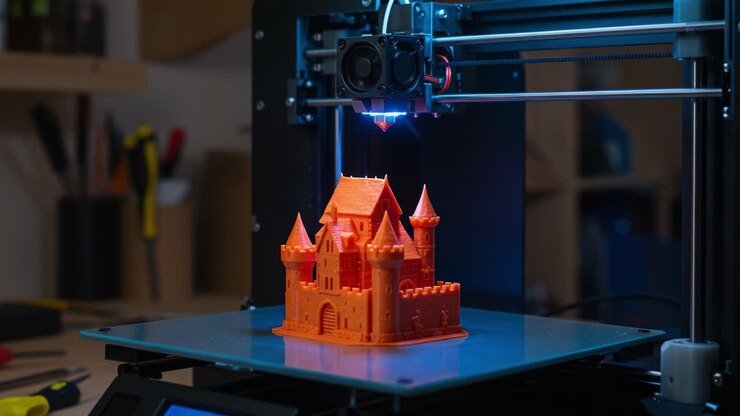
Integrating classroom 3D printing projects into education is transforming the way students and teachers approach learning. With the ability to turn digital designs into tangible objects, 3D printing brings abstract concepts to life, encourages creativity, and supports hands-on problem-solving. Whether you’re an educator looking to enrich your curriculum or a student eager to explore new technologies, 3D printing offers a practical and engaging path to deeper understanding across subjects.
As schools adopt more advanced tools, educators are discovering how 3D printing can bridge the gap between theory and practice. From science and engineering to art and history, the possibilities for project-based learning are nearly limitless. For those interested in the intersection of technology and textiles, exploring what is the future of smart textiles and printing can offer further inspiration for innovative classroom activities.
Why 3D Printing Belongs in the Classroom
Bringing 3D printing into schools isn’t just about using new gadgets—it’s about fostering a mindset of innovation and exploration. Here are some key benefits:
- Hands-on learning: Students can design, prototype, and iterate, reinforcing STEM concepts through real-world application.
- Creativity and critical thinking: Learners are challenged to solve problems and think outside the box as they design objects from scratch.
- Collaboration: Many projects encourage teamwork, communication, and project management skills.
- Personalized education: Teachers can tailor projects to different learning levels and interests, making lessons more engaging.
- Preparation for future careers: Exposure to 3D modeling and digital fabrication prepares students for careers in engineering, design, architecture, and more.
Popular 3D Printing Activities for the Classroom
There are countless ways to incorporate classroom 3D printing projects into your teaching. Here are some tried-and-true ideas that work across grade levels and subjects:
STEM Challenges and Prototyping
Science, technology, engineering, and math classes are a natural fit for 3D printing. Students can:
- Design and print custom parts for physics experiments (like pulleys, levers, or gears).
- Create models of molecules, cells, or anatomical structures for biology lessons.
- Prototype solutions to engineering problems, such as bridges or vehicles, and test their designs.
History and Social Studies Models
3D printing isn’t limited to STEM. In history or geography, students can:
- Recreate historical artifacts, ancient tools, or architectural wonders.
- Build topographical maps or models of famous landmarks.
- Design dioramas that illustrate key moments in history.
These activities make abstract or distant topics more relatable and memorable.
Art and Design Exploration
Art classes can leverage 3D printing for creative expression:
- Students sculpt original pieces using digital modeling software, then print their creations.
- Explore geometric patterns, symmetry, and tessellation through printed art objects.
- Combine traditional media with 3D-printed elements for mixed-media projects.
How to Get Started with 3D Printing in Schools
Launching a successful 3D printing program doesn’t have to be overwhelming. Here are some practical steps for educators:
- Choose the right printer: Consider your budget, classroom space, and the types of projects you want to pursue. Entry-level FDM printers are affordable and versatile, while resin printers offer higher detail for advanced projects.
- Learn the basics: Familiarize yourself with 3D modeling software (like Tinkercad or Fusion 360) and slicing tools. Many free resources are available online, including comprehensive guides such as the 3D printing guide from Xometry.
- Start simple: Begin with pre-made models from online repositories before moving on to custom student designs.
- Integrate with curriculum: Align projects with learning objectives and standards to maximize educational value.
- Emphasize safety: Teach students about proper printer operation, material handling, and lab safety.
Tips for Successful 3D Printing Projects in Schools
To make the most of your classroom 3D printing projects, keep these best practices in mind:
- Plan for print time: 3D printing can be slow, especially for larger objects. Schedule accordingly and consider printing overnight or in batches.
- Encourage iteration: Allow students to test, evaluate, and improve their designs. Learning from mistakes is a key part of the engineering process.
- Document the process: Have students keep journals or take photos of their work at each stage, which helps with assessment and reflection.
- Promote sustainability: Teach about responsible material use, recycling, and the environmental impact of plastics.
- Celebrate creativity: Showcase finished projects in the classroom or at school events to inspire others.
Connecting 3D Printing to Broader Educational Goals
Integrating 3D printing supports a range of educational outcomes. It encourages students to take ownership of their learning, collaborate with peers, and develop technical skills that are increasingly valuable in the workforce. For educators interested in expanding their use of digital fabrication, learning about how to set up a small scale fashion printing studio can provide additional ideas for hands-on learning environments.
Additionally, exploring the benefits of localized printing for global brands can help students understand the real-world impact of these technologies beyond the classroom.
FAQ: Classroom 3D Printing Projects
What are some easy 3D printing projects for beginners?
Simple projects like keychains, name tags, geometric shapes, or puzzle pieces are great for those just starting out. These designs help students learn the basics of modeling and printing without requiring advanced skills.
How can teachers integrate 3D printing into non-STEM subjects?
3D printing can enhance learning in art, history, and language arts by allowing students to create models of historical artifacts, design props for plays, or build visual aids for storytelling. The technology is versatile and can be adapted to almost any curriculum area.
What are the main challenges of using 3D printers in schools?
Common challenges include managing print time, maintaining equipment, ensuring student safety, and providing adequate training for both teachers and students. Planning ahead and starting with small projects can help overcome these hurdles.
Conclusion
Adopting classroom 3D printing projects opens up a world of creative and practical opportunities for students and teachers alike. By starting with manageable activities and gradually building skills, educators can foster a dynamic learning environment that prepares students for the future. With thoughtful planning and the right resources, 3D printing can become a powerful tool for discovery, innovation, and collaboration in any classroom.