Burnout printing is a fascinating technique in the world of textiles and apparel, known for producing distinctive patterns and semi-transparent effects on fabrics. This process, rooted in both chemistry and artistry, has become a favorite among designers seeking to add depth, texture, and visual intrigue to their creations. Whether you’re a fashion student, industry professional, or simply curious about innovative fabric treatments, understanding the style and process behind burnout printing can open up new creative possibilities.
In this guide, we’ll explore the fundamentals of burnout printing, how it’s used in contemporary fashion, and why it stands out among textile decoration methods. We’ll also touch on its history, the step-by-step process, and practical tips for those interested in experimenting with this method. For those looking to expand their knowledge of textile innovation, you may also find value in learning about what is the future of smart textiles and printing and how these advancements intersect with traditional techniques like burnout.
Understanding Burnout Printing: Definition and Origins
Burnout printing, also known as devoré (from the French word meaning “devoured”), is a fabric treatment technique that selectively removes fibers from a blended textile. The goal is to create patterns with areas of sheer and opaque contrast. Typically, this process is applied to fabrics made from a combination of cellulose fibers (like cotton, rayon, or viscose) and synthetic fibers (such as polyester or nylon).
The origins of this method date back to the late 19th and early 20th centuries, when textile manufacturers in Europe began experimenting with chemical processes to mimic the luxurious look of lace and velvet. Over time, burnout printing evolved from a niche decorative effect into a mainstream fashion tool, especially popular in eveningwear, scarves, and high-end apparel.
The Science Behind Burnout Techniques in Fashion
At its core, burnout printing relies on the chemical vulnerability of certain fibers. The process involves applying a chemical paste—usually containing an acid or caustic agent—to the fabric in a specific pattern. This paste dissolves the cellulose-based fibers where it is applied, while leaving the synthetic fibers intact. Once the chemical has done its work, the fabric is washed, removing the destroyed fibers and revealing a semi-transparent pattern.
This method is most effective on blended fabrics, such as a rayon-polyester mix. The rayon (cellulose) areas are “burned out,” while the polyester sections remain, resulting in a unique interplay of sheer and solid motifs. The final effect can range from delicate, lace-like patterns to bold, graphic designs, depending on the stencil or screen used to apply the chemical paste.
Step-by-Step: How Burnout Printing Is Done
For those interested in the technical side, here’s a simplified overview of the burnout process in textile design:
- Select the Fabric: Choose a blended textile containing both cellulose and synthetic fibers. Common choices include rayon-polyester or cotton-polyester blends.
- Prepare the Design: Create a stencil or screen with the desired pattern. This will determine where the chemical paste is applied.
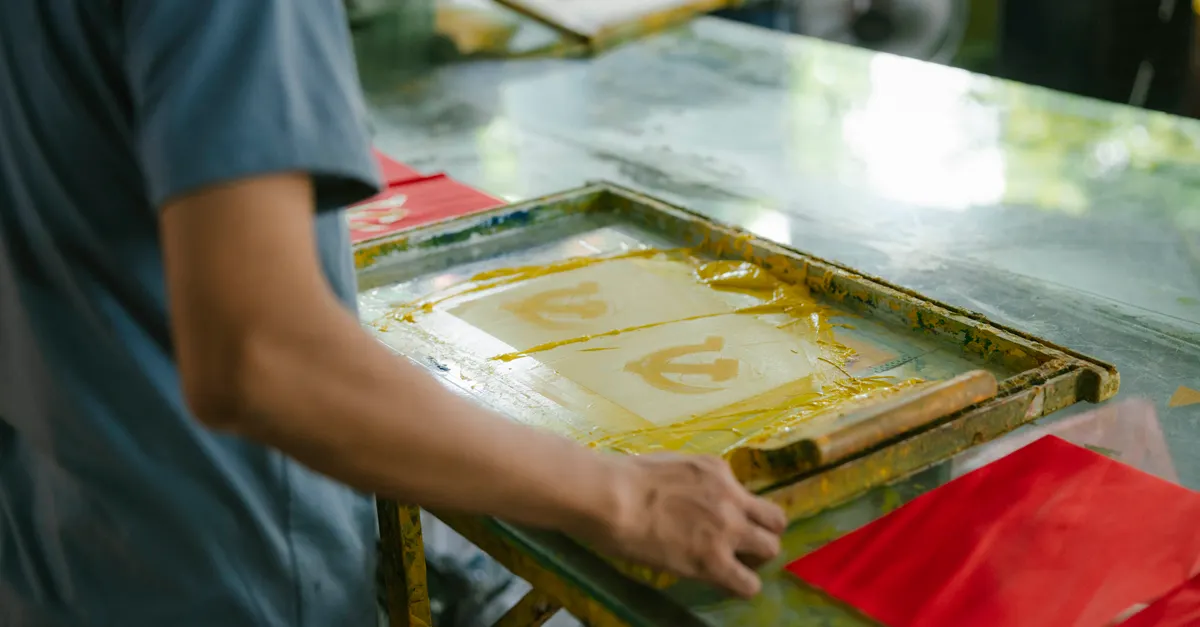
- Apply the Chemical Paste: Using screen printing or roller printing methods, apply the burnout paste to the fabric’s surface in the chosen pattern.
- Activate the Reaction: The fabric is heated, either by steaming or baking, to activate the chemical reaction that destroys the cellulose fibers.
- Wash and Finish: The fabric is thoroughly washed to remove the dissolved fibers and any residual chemicals. The result is a patterned textile with areas of transparency and opacity.
While the process may sound straightforward, achieving clean, consistent results requires careful control of temperature, timing, and chemical concentration. Professional studios often use specialized equipment to ensure safety and precision.
Applications and Style Impact in Modern Fashion
Burnout printing is prized for its ability to add texture and dimension to garments without the weight or bulk of traditional embellishments. Designers use this technique to create:
- Elegant evening dresses with sheer panels and intricate motifs
- Lightweight scarves and shawls with lace-like effects
- Statement tops and blouses featuring bold, graphic patterns
- Home textiles such as curtains and decorative pillows
The visual appeal of burnout fabrics lies in their contrast—sheer areas catch the light and reveal hints of skin or underlying layers, while opaque sections provide structure and coverage. This interplay is especially popular in contemporary fashion, where designers seek to balance sensuality and sophistication.
Burnout techniques are also valued for their versatility. By adjusting the pattern, scale, and placement of the design, creators can achieve effects ranging from subtle and romantic to bold and avant-garde. This adaptability makes burnout printing a go-to option for both mass-market and couture collections.
Comparing Burnout Printing to Other Textile Methods
While burnout is unique, it’s helpful to understand how it compares to other popular fabric decoration techniques:
| Technique | Process | Result |
|---|---|---|
| Burnout Printing | Chemical removal of cellulose fibers in patterns | Sheer and opaque contrast, textured designs |
| Screen Printing | Applying ink or dye through a mesh stencil | Solid, colorful patterns on fabric surface |
| Embroidery | Stitching thread onto fabric | Raised, tactile designs |
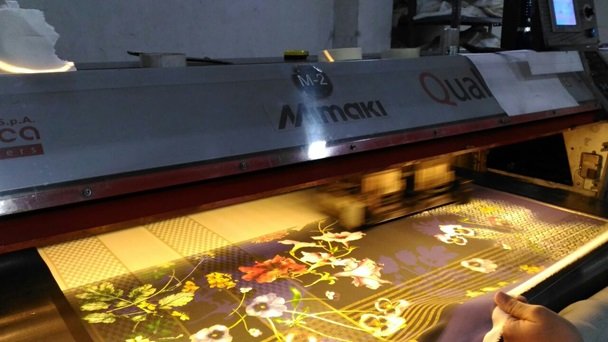
| Digital Printing | Directly printing digital images onto fabric | Photorealistic, detailed prints |
Each method offers distinct advantages. Burnout stands out for its ability to create lightweight, semi-transparent effects that can’t be achieved with ink or thread alone. For a deeper dive into modern printing methods, this complete guide to digital fabric printing provides valuable context.
Tips for Designers and DIY Enthusiasts
If you’re interested in experimenting with burnout techniques, consider these practical tips:
- Safety First: Always handle chemicals with care. Wear gloves, work in a well-ventilated area, and follow manufacturer instructions.
- Test Swatches: Before working on a large piece, test the process on small fabric samples to gauge the effect and adjust your approach.
- Choose the Right Blend: The fabric must contain both cellulose and synthetic fibers for the process to work. 100% cotton or polyester won’t yield the desired results.
- Refine Your Design: Simple, bold patterns tend to work best, especially for beginners. Intricate details may be lost if the chemical spreads beyond intended areas.
- Finish Properly: After the burnout process, thoroughly wash and neutralize the fabric to remove all chemical residues.
For those setting up a creative workspace, learning how to set up a small scale fashion printing studio can be a helpful next step in your journey.
Environmental and Practical Considerations
While burnout printing offers unique aesthetic benefits, it’s important to consider its environmental impact. The chemicals used can be hazardous if not handled and disposed of properly. Many modern studios are exploring eco-friendlier alternatives and improved waste management practices to minimize their footprint.
Additionally, burnout fabrics require gentle care. The sheer areas are more delicate and may be prone to snagging or tearing. Always follow care instructions and consider the end use of the garment when selecting this technique.
FAQ: Burnout Printing in Textile Design
What fabrics are best suited for burnout printing?
The most effective fabrics are blends containing both cellulose fibers (like rayon, cotton, or viscose) and synthetic fibers (such as polyester). The process relies on the chemical removal of cellulose, so pure synthetic or pure natural fabrics won’t produce the characteristic sheer-and-solid effect.
Is burnout printing safe for home use?
While it’s possible to experiment with burnout techniques at home, safety precautions are essential. The chemicals involved can be hazardous. Always use gloves, eye protection, and work in a well-ventilated space. Beginners should start with small projects and follow all safety guidelines.
How does burnout printing compare to digital printing in fashion?
Burnout creates texture and transparency by removing fibers, while digital printing applies color and images directly to the fabric’s surface. Each method offers unique creative possibilities. Digital printing is ideal for photorealistic designs, while burnout is best for tactile, layered effects. For more on digital methods, see how to use digital printing for fashion trend forecasting.
Can burnout printing be combined with other textile techniques?
Absolutely. Designers often layer burnout effects with embroidery, screen printing, or dyeing to create multidimensional fabrics. The key is to plan the sequence of processes to avoid damaging previous work.
Conclusion
Burnout printing remains a powerful tool for designers seeking to push the boundaries of textile art. Its ability to create visually striking, lightweight, and tactile fabrics ensures its ongoing relevance in both high fashion and commercial apparel. By understanding the process, materials, and creative potential, you can make informed choices about when and how to incorporate this technique into your own projects. As the industry evolves, expect to see even more innovative uses of burnout alongside emerging technologies and sustainable practices.