The fashion sector is under increasing pressure to address its environmental footprint, with textile production and garment finishing processes drawing scrutiny for their use of water, chemicals, and energy. Among the most promising innovations, waterless printing is gaining traction as a sustainable alternative to traditional textile printing methods. This approach not only reduces water consumption but also minimizes pollution and enhances production efficiency, making it a compelling choice for brands and manufacturers seeking to align with eco-friendly practices.
As sustainability becomes a key differentiator in the marketplace, understanding the benefits of waterless printing in the fashion industry is essential for designers, producers, and conscious consumers. In this article, we’ll explore how this technology works, its environmental and economic advantages, and why it is shaping the future of textile production.
For those interested in the intersection of advanced textile technologies and sustainability, our guide on what is the future of smart textiles and printing offers further insights into the innovations shaping tomorrow’s fashion landscape.
Understanding Waterless Printing Technology
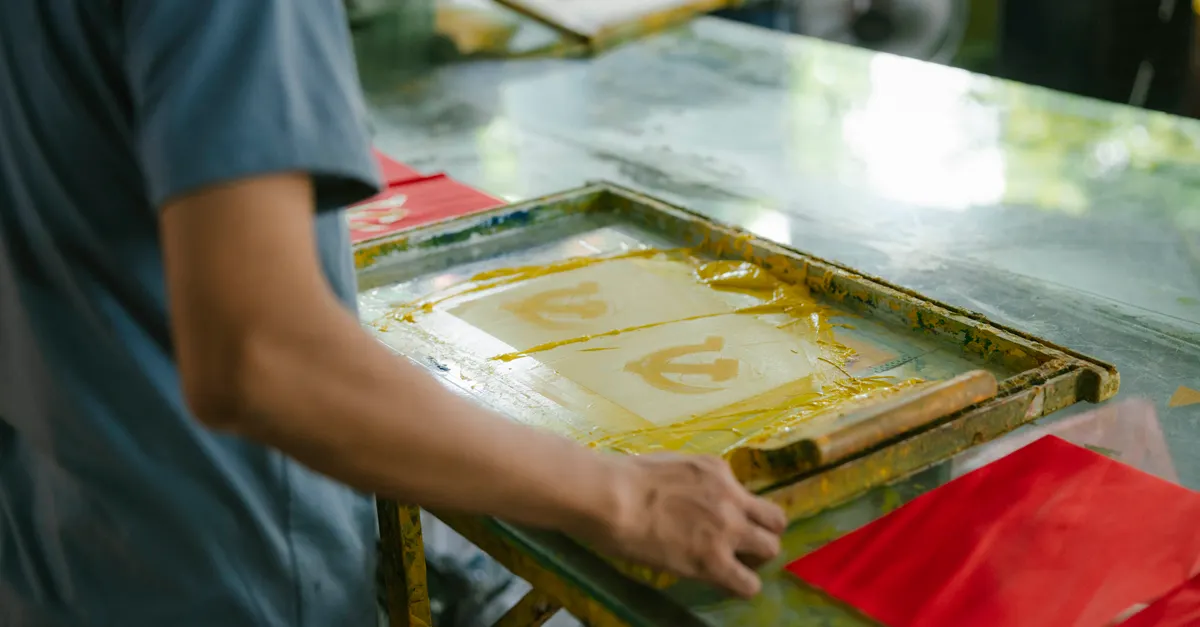
Traditional textile printing relies heavily on water for dyeing, rinsing, and fixing colors onto fabrics. This process not only consumes vast amounts of water but also generates wastewater laden with dyes and chemicals. In contrast, waterless printing utilizes digital or offset technologies that eliminate the need for water during the printing stage.
Key features of waterless printing include:
- No water required for ink transfer or color fixation.
- Use of specialized inks and printing plates designed for dry application.
- Reduced need for post-print washing, leading to less wastewater generation.
- Compatibility with a wide range of fabrics, including cotton, polyester, and blends.
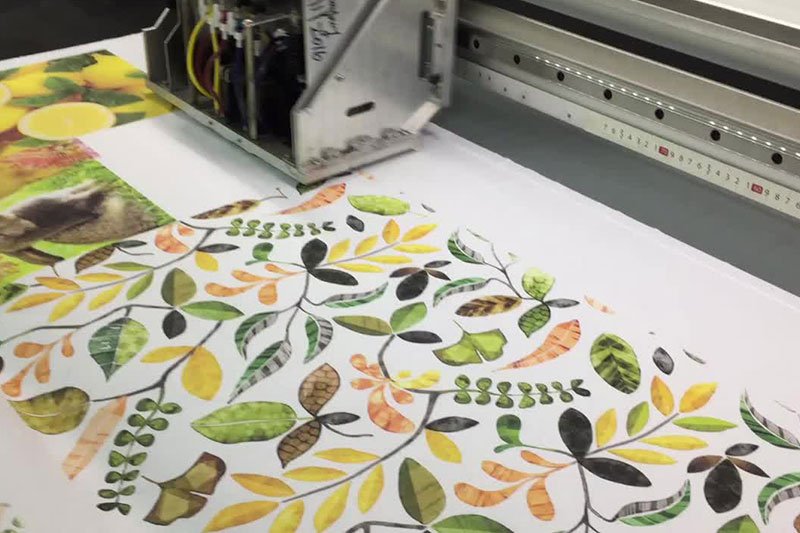
This method is particularly well-suited to digital textile printing, where designs are applied directly to fabric using inkjet technology. For a deeper dive into the mechanics of digital textile printing, see this comprehensive overview of digital textile printing technology.
Environmental Advantages of Waterless Printing for Fashion
One of the most significant advantages of waterless printing in the fashion sector is its positive impact on the environment. Conventional printing can require up to 200 liters of water per kilogram of fabric, contributing to water scarcity and pollution in manufacturing regions. Waterless methods address these issues in several ways:
- Water conservation: By eliminating water from the printing process, brands can drastically reduce their water usage and help preserve local water resources.
- Lower chemical discharge: Without water as a carrier, there is less risk of dyes and chemicals entering waterways, reducing the burden on municipal treatment plants and ecosystems.
- Reduced energy consumption: Waterless systems often require less energy for heating and drying, further decreasing the carbon footprint of textile production.
- Cleaner production sites: The absence of wastewater means cleaner facilities and a safer environment for workers.
These environmental benefits are especially relevant for brands aiming to meet global sustainability standards and for manufacturers operating in regions where water is a scarce resource.
Economic and Operational Benefits for Manufacturers
Beyond environmental gains, waterless printing offers tangible business advantages for fashion manufacturers. These include:
- Faster turnaround times: With no need for lengthy washing or drying steps, production cycles are shorter, enabling quicker response to market trends.
- Lower operational costs: Savings on water, energy, and chemical treatment can translate into reduced production expenses over time.
- Consistent quality: Digital waterless systems deliver precise, repeatable results with minimal color variation, supporting high standards for premium brands.
- Waste reduction: The process generates less scrap and fewer defective prints, contributing to leaner, more efficient operations.
These factors make waterless technology an attractive option for both large-scale manufacturers and smaller studios looking to optimize their resources. For those considering setting up a new facility, our article on how to set up a small scale fashion printing studio provides practical tips for integrating modern printing solutions.
Design Flexibility and Creative Possibilities
Another compelling reason for the adoption of waterless printing is the enhanced creative freedom it offers. Digital waterless systems can reproduce intricate patterns, gradients, and photographic images with exceptional clarity. Designers benefit from:
- Unlimited color options and the ability to print complex, multi-color designs in a single pass.
- Short runs and rapid prototyping, making it easier to test new concepts or respond to seasonal trends.
- Personalization and customization, which are increasingly in demand among today’s consumers.
This flexibility supports the shift toward on-demand manufacturing and localized production, reducing the need for large inventories and minimizing waste. For global brands, embracing such agile production models can deliver a competitive edge, as discussed in our guide on the benefits of localized printing for global brands.
Challenges and Considerations in Adopting Waterless Printing
While the advantages of waterless printing in the fashion industry are clear, there are some challenges to consider. Initial investment costs for digital waterless equipment can be higher than for conventional systems, especially for small businesses. Additionally, not all fabrics or finishes are compatible with every waterless technology, requiring careful selection of materials and inks.
Manufacturers may also need to retrain staff and adapt workflows to maximize the benefits of these new systems. However, as the technology matures and demand for sustainable products grows, costs are expected to decrease and compatibility to improve.
Future Outlook: Waterless Printing and Sustainable Fashion
The momentum behind sustainable practices in fashion is only expected to grow. Waterless printing is positioned as a cornerstone technology for brands committed to reducing their environmental impact while maintaining high standards of quality and creativity. As consumer awareness of sustainability issues increases, the adoption of eco-friendly production methods will likely become a baseline expectation rather than a differentiator.
For those interested in exploring additional applications of advanced printing, such as working with unconventional materials, our resource on how to print on cork and non-traditional materials offers practical advice for expanding creative horizons.
Frequently Asked Questions
How does waterless printing differ from traditional textile printing?
Waterless printing eliminates the need for water during the printing process, using specialized inks and digital technologies to apply designs directly to fabric. In contrast, traditional methods require large amounts of water for dyeing, rinsing, and fixing colors, resulting in significant water consumption and wastewater generation.
Is waterless printing suitable for all types of fabrics?
Most waterless systems are compatible with a wide range of textiles, including cotton, polyester, and blends. However, certain specialty fabrics or finishes may require specific inks or pre-treatments. It’s important to consult with equipment and ink suppliers to ensure optimal results for each application.
What are the main environmental benefits of waterless printing in fashion?
The primary environmental advantages include significant water conservation, reduced chemical discharge into waterways, lower energy consumption, and cleaner production facilities. These factors contribute to a smaller ecological footprint and support brands’ sustainability goals.
Can waterless printing support small batch or custom fashion production?
Yes, digital waterless systems are ideal for short runs, rapid prototyping, and personalized designs. This flexibility allows brands to respond quickly to trends, reduce inventory waste, and offer customized products to consumers.
Where can I learn more about digital textile printing technologies?
For a comprehensive overview of digital textile printing, including its evolution and applications, refer to this detailed guide on digital textile printing technology.