The demand for sustainable packaging is rapidly growing as consumers and businesses seek alternatives that minimize environmental impact without compromising food safety. Compostable food-safe packaging offers a promising solution, combining eco-friendly materials with the necessary standards to protect food products. Understanding the available options, their benefits, and what to look for can help you make informed choices for your business or personal use.
As the packaging industry evolves, innovations in biodegradable and compostable materials are shaping the future of how food is stored and transported. For those interested in the intersection of sustainability and advanced materials, exploring topics like what is the future of smart textiles and printing can provide additional insights into broader trends in eco-conscious manufacturing.

Understanding Compostable Packaging Materials
Compostable packaging refers to materials that break down into natural elements in a compost environment, leaving no toxic residue. For food applications, these materials must also meet strict safety standards to ensure they do not contaminate food or alter its taste and quality. The most common types of compostable food-safe packaging include:
- Plant-based plastics (PLA): Derived from renewable resources like corn starch or sugarcane, polylactic acid (PLA) is widely used for clear containers, cups, and lids.
- Bagasse: This fibrous byproduct of sugarcane processing is molded into plates, bowls, and takeout containers, offering strength and heat resistance.
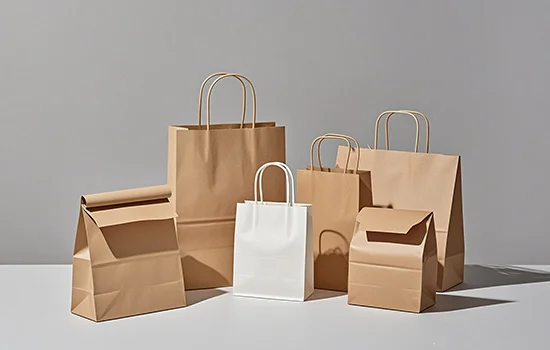
- Paper and cardboard: When sourced responsibly and coated with compostable linings, paper-based packaging is suitable for wraps, bags, and boxes.
- Cellulose films: Made from wood pulp, these transparent films are used for wrapping and sealing food items.
Key Benefits of Compostable Food-Safe Packaging
Switching to compostable solutions provides several advantages for both businesses and the environment. Here are some of the main benefits:
- Reduces landfill waste: Unlike conventional plastics, compostable materials break down naturally, helping divert waste from landfills.
- Supports circular economy: These materials can return nutrients to the soil when composted properly, closing the resource loop.
- Minimizes toxic residue: Certified compostable packaging leaves no harmful chemicals behind, making it safer for composting and agriculture.
- Enhances brand image: Businesses that adopt sustainable packaging demonstrate environmental responsibility, which can attract eco-conscious customers.
For a deeper dive into the various materials used in food packaging, you can refer to this comprehensive guide to food packaging materials that explains their properties and applications.
Popular Types of Compostable Food Packaging
There is a wide range of compostable packaging products designed for different food service needs. Some of the most popular options include:
- Takeout containers: Made from bagasse, PLA, or compostable paperboard, these containers are sturdy and suitable for hot or cold foods.
- Cutlery and straws: Plant-based plastics and wood are used to create disposable utensils that break down in composting facilities.
- Food wraps and sandwich bags: Compostable films and papers provide a safe barrier for sandwiches, baked goods, and snacks.
- Produce bags: Grocery stores and markets increasingly use compostable bags for fruits and vegetables, reducing plastic waste.
Certifications and Standards for Food Safety
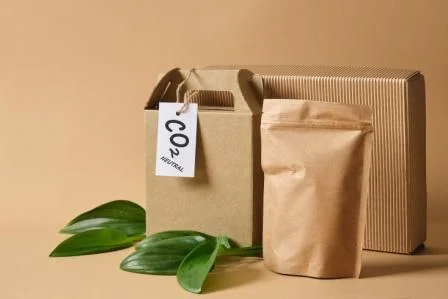
Not all compostable packaging is automatically food-safe. To ensure safety and compliance, look for products that carry recognized certifications. Common standards include:
- EN 13432 (Europe): Specifies requirements for packaging recoverable through composting and biodegradation.
- ASTM D6400 (USA): Covers plastics and products designed to be composted in municipal and industrial aerobic composting facilities.
- BPI Certification: The Biodegradable Products Institute certifies products that meet North American compostability standards.
- FDA or EU food contact approval: Indicates that the material is safe for direct contact with food.
When sourcing compostable packaging, always check for these certifications on product labels or supplier documentation to ensure both environmental and food safety compliance.
Limitations and Considerations
While compostable packaging offers many benefits, there are some important considerations to keep in mind:
- Composting infrastructure: Many compostable products require industrial composting facilities to break down efficiently. Home composting may not be suitable for all materials.
- Performance limitations: Some compostable materials may not be as heat- or moisture-resistant as traditional plastics, which can affect their suitability for certain foods.
- Cost: Eco-friendly packaging often comes at a higher price point, though costs are decreasing as demand and production scale up.
- Proper disposal: Compostable packaging must be separated from regular waste and sent to appropriate composting facilities to realize its environmental benefits.
For businesses, it’s important to educate staff and customers on how to properly dispose of compostable packaging to maximize its positive impact.
How to Choose the Right Compostable Food Packaging
Selecting the best option depends on your specific needs and priorities. Here are some tips to guide your decision:
- Assess your food products: Consider the temperature, moisture, and type of food you’ll be packaging to ensure compatibility with compostable materials.
- Check certifications: Always verify that products are certified compostable and approved for food contact.
- Evaluate end-of-life options: Research local composting facilities and educate your customers about proper disposal.
- Balance cost and sustainability: Weigh the environmental benefits against your budget and operational requirements.
Staying informed about new developments in sustainable packaging can also help you adapt to changing regulations and consumer expectations.
Frequently Asked Questions
What is the difference between compostable and biodegradable packaging?
While both terms describe materials that break down naturally, compostable packaging is designed to decompose into non-toxic components within a specific timeframe under composting conditions. Biodegradable packaging may break down more slowly and could leave residues, depending on the material and environment.
Can compostable food packaging be recycled?
Most compostable packaging is not suitable for traditional recycling streams. It should be disposed of in a commercial composting facility where available. Mixing compostable materials with recyclables can contaminate the recycling process.
Is compostable packaging safe for all types of food?
Compostable food-safe packaging is generally suitable for a wide range of foods, but it’s important to match the material to the food type. For example, some compostable containers may not be ideal for oily or very hot foods unless specifically designed for those conditions. Always check product specifications and certifications for intended use.