3D printing electronics is rapidly transforming how we design and manufacture electronic devices. By combining additive manufacturing with conductive materials, it’s now possible to create custom circuits, sensors, and even functional components directly from digital files. This approach offers new flexibility for prototyping, small-batch production, and innovation in fields ranging from wearables to IoT devices. In this article, we’ll explore how this technology works, the materials involved, the current capabilities, and what’s on the horizon for printed electronic components.
As the boundaries between traditional electronics and advanced manufacturing blur, designers and engineers are finding new ways to integrate circuits into complex shapes and unconventional substrates. If you’re interested in related innovations, you might also explore what is the future of smart textiles and printing for insights into how these trends intersect.
How Additive Manufacturing Is Changing Circuit Fabrication
Traditional circuit boards are produced using subtractive processes—etching copper from a rigid board to leave behind traces. In contrast, 3D printing electronics enables the direct deposition of conductive and insulating materials in precise patterns. This opens the door to creating circuits on flexible, curved, or even wearable surfaces, as well as embedding electronics within structural parts.
There are several approaches to printing electronic circuits:
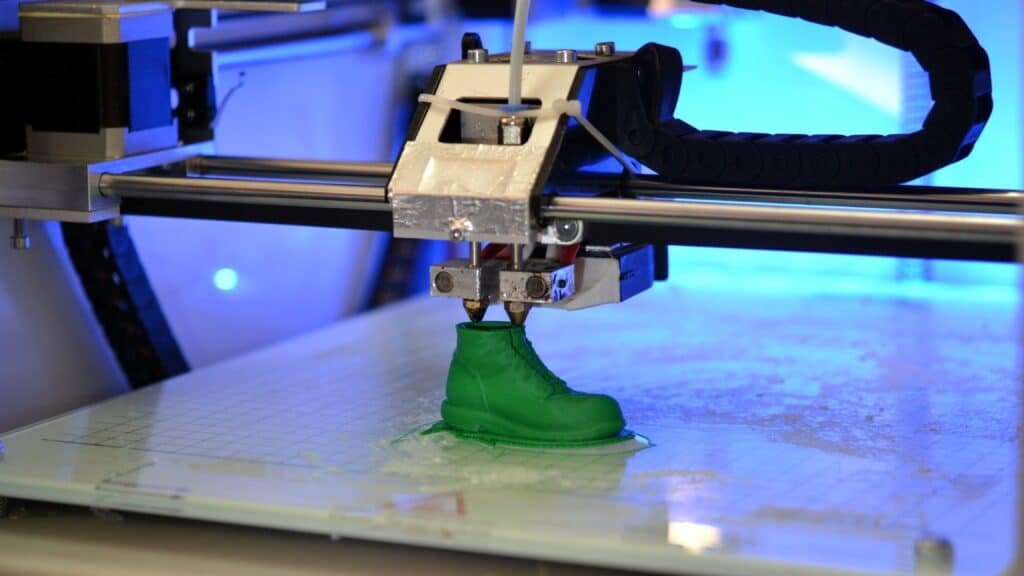
- Fused Deposition Modeling (FDM): Uses thermoplastic filaments, sometimes combined with conductive materials, to build up layers and create both the structure and the circuit paths.
- Inkjet and Aerosol Jet Printing: Deposits conductive inks (often silver or carbon-based) onto substrates, allowing for fine traces and complex layouts.
- Stereolithography (SLA) and Digital Light Processing (DLP): Utilizes photopolymer resins, sometimes mixed with conductive particles, for high-resolution components.
For a deeper understanding of how these machines operate, you can read this detailed explanation of 3D printer mechanics.
Materials Used in Printed Electronic Components
The choice of materials is crucial for successful additive manufacturing of electronic circuits. The two main categories are:
- Conductive Materials: Silver nanoparticle inks, carbon-based pastes, and conductive thermoplastic filaments are commonly used. These materials allow for the creation of traces, antennas, and even resistors directly within a printed part.
- Insulating Substrates: Standard 3D printing plastics like PLA, ABS, and PETG serve as the base for circuits. Flexible substrates such as TPU are used for wearable or bendable electronics.
Some advanced printers can alternate between conductive and insulating materials in a single build, enabling the creation of multi-layered circuits and embedded components.
Applications and Benefits of Printed Circuits
Integrating electronics directly into 3D-printed objects unlocks a range of new possibilities. Here are some of the most promising applications:
- Rapid Prototyping: Designers can quickly iterate on circuit layouts and enclosures, reducing development time for new products.
- Wearable Devices: Flexible circuits can be printed onto textiles or soft substrates, enabling smart clothing and health monitoring patches.
- Embedded Sensors: Sensors for temperature, pressure, or touch can be integrated within structural parts, ideal for robotics and industrial monitoring.
- Custom Antennas: Antenna shapes can be optimized for specific devices and printed directly onto or within enclosures.
- Educational Tools: Students and hobbyists can design and fabricate functional electronics without the need for traditional PCB manufacturing.
Compared to conventional methods, additive manufacturing of electronics offers:
- Reduced waste and material usage
- Shorter lead times for custom designs
- Ability to produce complex, integrated shapes
- Lower barriers for small-scale or one-off production
Challenges and Limitations in 3D-Printed Electronics
Despite its promise, there are still hurdles to overcome before additive manufacturing of electronics becomes mainstream:
- Material Performance: Printed conductors typically have higher resistance than traditional copper traces, which can limit their use in high-frequency or high-power applications.
- Component Integration: While passive elements (resistors, capacitors) can sometimes be printed, active components like microchips still need to be manually placed and soldered or connected using conductive adhesives.
- Resolution and Reliability: Achieving fine traces and consistent performance requires advanced equipment and careful process control.
- Cost: Conductive inks and dual-material printers can be expensive, especially for hobbyists or small labs.
Researchers and manufacturers are actively working to address these limitations, with new materials and hybrid manufacturing techniques emerging regularly.

Future Developments in Additive Manufacturing for Electronics
The field of 3D printing electronics is advancing quickly. Some of the most exciting trends include:
- Multi-Material Printing: New machines can switch between several materials, enabling the creation of fully functional devices in a single build process.
- Integration with IoT: Printed sensors and antennas are being embedded into smart devices, wearables, and even building materials.
- Biocompatible Electronics: Research is underway to print circuits on flexible, skin-safe substrates for medical monitoring and implants.
- Miniaturization: Improvements in print resolution are making it possible to fabricate smaller, more complex electronic assemblies.
As these capabilities mature, we can expect to see additive manufacturing play a larger role in consumer electronics, medical devices, and industrial automation. For those interested in related manufacturing advances, consider reading about how to print on cork and non-traditional materials for more on unconventional substrates.
Getting Started with 3D-Printed Circuits
If you’re interested in experimenting with printed electronics, here are some practical steps to begin:
- Choose the Right Printer: Dual-extruder FDM printers or inkjet-based systems are best for printing both structure and circuits. Resin printers offer high resolution for small components.
- Select Materials: Start with conductive PLA or silver-based inks. Ensure compatibility with your printer and intended application.
- Design Your Circuit: Use CAD software that supports multi-material design and export to compatible formats.
- Test and Iterate: Print simple circuits first, measure resistance, and check for continuity before moving to more complex designs.
- Integrate Components: Plan for mounting or embedding traditional components as needed, using conductive adhesives or sockets.
For those setting up a home studio, you may find tips in the guide on how to set up a small scale fashion printing studio, which covers workspace organization and equipment selection.
FAQ: Common Questions About 3D-Printed Electronics
Can 3D printers create fully functional electronic devices?
While additive manufacturing can produce circuit traces, sensors, and some passive components, most fully functional devices still require manual placement of microchips and other active parts. However, research is ongoing to automate more of this process.
What are the main limitations of printed circuits compared to traditional PCBs?
Printed circuits often have higher electrical resistance and lower current-carrying capacity than copper PCBs. They may also lack the fine resolution needed for complex or high-speed electronics. For many prototyping and low-power applications, though, they are a practical alternative.
Is it possible to print flexible or wearable electronics?
Yes, by using flexible substrates such as TPU and conductive inks, it’s possible to create bendable circuits for wearables, smart textiles, and medical patches. This area is seeing rapid growth as materials and printing techniques improve.
What software is needed to design 3D-printed circuits?
CAD programs that support multi-material design, such as Autodesk Fusion 360 or Tinkercad, are commonly used. For circuit design, specialized tools that export to 3D-printable formats are helpful.
Where can I learn more about advanced printing techniques for fashion and electronics?
Explore resources on how to use digital printing for fashion trend forecasting and other articles on emerging printing technologies for additional insights.