Maintaining food-safe packaging sanitation is essential for ensuring the safety and quality of food products from the point of manufacture to the moment they reach consumers. Proper sanitation practices help prevent contamination, extend shelf life, and comply with regulatory standards. Whether you are a food producer, packaging manufacturer, or simply interested in how your food stays safe, understanding the principles and best practices of hygienic packaging is crucial.
Sanitary packaging is not just about cleanliness—it involves a comprehensive approach to controlling hazards, using appropriate materials, and following strict procedures throughout the supply chain. This guide explores the fundamentals of packaging hygiene, key risks, cleaning protocols, and the latest industry standards.
For those interested in how advanced printing and material technologies are shaping the future of packaging, you may find insights in what is the future of smart textiles and printing.
Why Hygienic Packaging Matters in the Food Industry
Food packaging serves as the first line of defense against external contaminants. Without effective sanitation, packaging can become a source of microbial, chemical, or physical hazards. These risks can lead to foodborne illnesses, product recalls, and damage to brand reputation. By prioritizing food-safe packaging sanitation, manufacturers can:
- Protect consumers from harmful pathogens and allergens
- Maintain product freshness and quality
- Comply with food safety regulations and standards
- Reduce waste due to spoilage or contamination
Properly sanitized packaging also supports sustainability efforts by minimizing the need for excessive preservatives and reducing food waste.
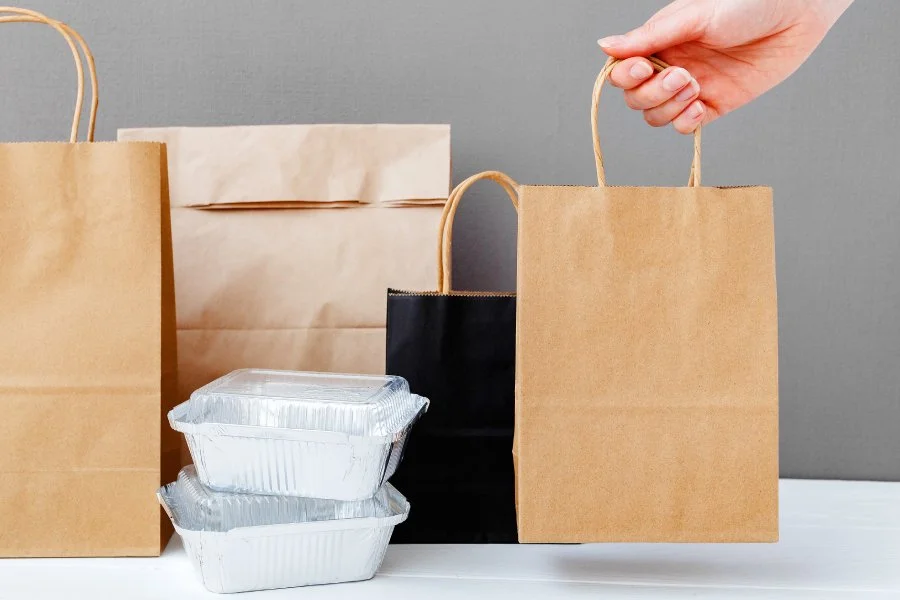
Key Risks Associated with Poor Packaging Hygiene
Understanding the main hazards linked to unsanitary packaging is vital for anyone involved in food production or distribution. Some of the most common risks include:
- Microbial contamination: Bacteria, molds, and yeasts can thrive on packaging surfaces if not properly cleaned and sanitized.
- Chemical residues: Inadequate rinsing of cleaning agents or exposure to non-food-grade materials can introduce harmful chemicals.
- Physical contaminants: Dust, debris, or fragments from packaging materials can compromise product safety.
- Cross-contamination: Shared equipment or improper handling can transfer allergens or pathogens from one product to another.
Addressing these risks requires a systematic approach to food-safe packaging sanitation, including the use of approved cleaning agents and regular monitoring.
Best Practices for Food-Safe Packaging Sanitation
Implementing effective sanitation protocols involves several critical steps. Here are some best practices widely adopted in the industry:
-
Use of Food-Grade Materials
Always select packaging materials that are certified as food-grade and free from harmful additives. These materials are designed to resist microbial growth and chemical leaching. -
Routine Cleaning and Disinfection
Establish a schedule for cleaning all packaging equipment and surfaces. Use sanitizers that are approved for food contact and follow manufacturer instructions for dilution and contact time. -
Employee Training
Train staff on proper hygiene practices, including handwashing, use of gloves, and procedures for handling packaging materials. -
Environmental Monitoring
Regularly test surfaces and equipment for microbial contamination to ensure cleaning protocols are effective. -
Documentation and Traceability
Keep detailed records of cleaning schedules, inspections, and corrective actions to demonstrate compliance and facilitate traceability in case of issues.
Sanitation Standards and Regulatory Compliance
Food packaging must meet strict regulatory requirements to ensure consumer safety. Agencies such as the FDA (U.S. Food and Drug Administration), EFSA (European Food Safety Authority), and others provide guidelines on acceptable materials, cleaning agents, and processes. Key standards include:
- GMP (Good Manufacturing Practices): Mandates cleanliness, proper handling, and documentation throughout the packaging process.
- HACCP (Hazard Analysis and Critical Control Points): Requires identification and control of potential hazards in packaging operations.
- ISO 22000: An international standard for food safety management systems, including packaging hygiene.
Staying updated on these standards helps manufacturers avoid costly recalls and maintain consumer trust.
Innovations in Food Packaging Hygiene
Recent advances in packaging technology are making it easier to achieve and maintain high standards of sanitation. Some notable trends include:
- Antimicrobial coatings: Packaging materials treated with antimicrobial agents can inhibit the growth of bacteria and fungi.
- Smart packaging: Sensors embedded in packaging can monitor temperature, humidity, and contamination, alerting stakeholders to potential issues.
- Automated cleaning systems: Robotics and automation ensure consistent and thorough cleaning of packaging equipment.
These innovations not only enhance safety but can also improve efficiency and reduce labor costs. For more on how technology is transforming the industry, see benefits of localized printing for global brands.

Choosing the Right Cleaning Agents and Methods
The selection of cleaning agents is a critical aspect of maintaining food-safe packaging sanitation. Only use chemicals that are approved for food contact surfaces, and always follow the recommended concentrations and rinsing procedures. Common cleaning methods include:
- Manual cleaning: Suitable for small-scale operations or delicate equipment.
- CIP (Clean-in-Place): Automated systems that clean the interior surfaces of pipes, vessels, and equipment without disassembly.
- High-pressure washing: Effective for removing stubborn residues from larger equipment.
Regardless of the method, validation and verification are essential to ensure that cleaning protocols are effective and that no residues remain.
Environmental and Sustainability Considerations
Sanitation practices should also take into account environmental impact. Using biodegradable cleaning agents, recycling rinse water, and selecting recyclable packaging materials can help reduce the ecological footprint of food packaging operations. Many companies are now adopting circular economy principles, designing packaging that is both safe and sustainable.
For a deeper dive into the importance of food-grade packaging and its role in safety, see this comprehensive overview of food-grade packaging and food safety.
Frequently Asked Questions
What are the most common contaminants found on food packaging?
The most frequent contaminants include bacteria such as Salmonella and E. coli, molds, chemical residues from cleaning agents, and physical debris like dust or packaging fragments. Regular sanitation and monitoring help minimize these risks.
How often should packaging equipment be cleaned?
Cleaning frequency depends on the type of food product, packaging material, and production volume. Generally, equipment should be cleaned at least once per shift, or more often if switching between allergen-containing products or after any contamination event.
Are all cleaning agents safe for food packaging?
No, only cleaning agents specifically approved for food-contact surfaces should be used. Always check for regulatory approval and follow the manufacturer’s instructions for use and rinsing to prevent chemical contamination.
Conclusion
Ensuring the cleanliness and safety of food packaging is a shared responsibility across the food supply chain. By following best practices, adhering to regulatory standards, and embracing new technologies, manufacturers and packagers can protect consumers and maintain product integrity. As the industry evolves, staying informed about the latest developments in food-safe packaging sanitation will remain essential for anyone committed to food safety and quality.