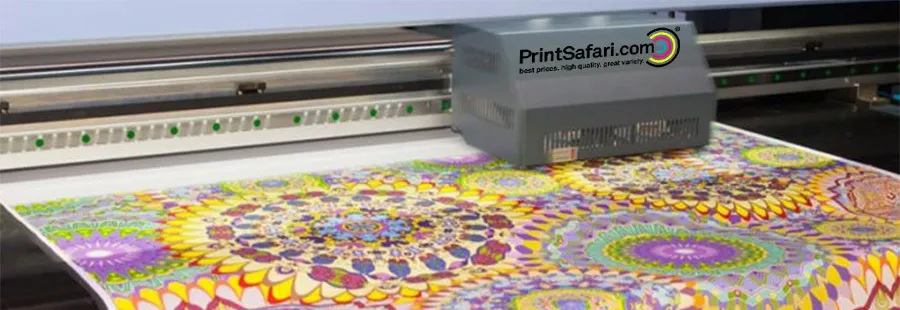
Digital textile printing has transformed the way fabrics are designed and produced, offering flexibility, speed, and vibrant results. At the heart of this process is a critical component: RIP software. Understanding what is the role of rip software in textile printing is essential for anyone looking to maximize print quality, color accuracy, and production efficiency in the textile industry.
RIP, or Raster Image Processor, software acts as the bridge between creative design and the final printed fabric. It interprets digital files, manages color profiles, and ensures that every detail of a design is faithfully reproduced on textiles. Whether you are a designer, print technician, or business owner, knowing how RIP software fits into the digital printing workflow can help you achieve professional, consistent results.
For those interested in advanced design techniques, learning how to use adobe illustrator for textile repeats can further enhance your workflow alongside RIP solutions.
Understanding RIP Software in Textile Printing Workflows
RIP software is a specialized tool that converts digital artwork into data that textile printers can understand. Unlike standard print drivers, RIP solutions offer advanced features tailored for the unique demands of fabric printing. They handle complex color management, image processing, and print optimization, making them indispensable for high-quality textile production.
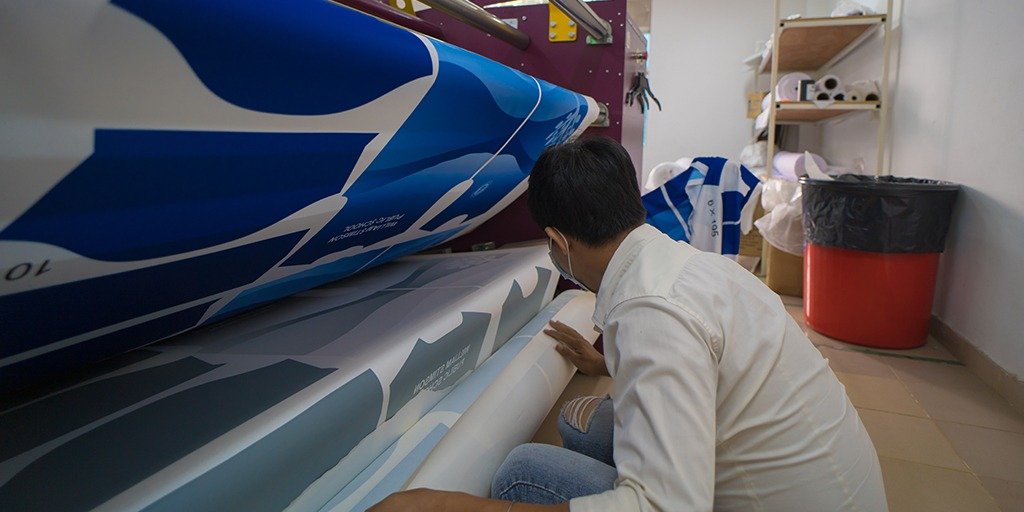
In a typical workflow, designers create patterns or graphics using design software. The digital files are then imported into the RIP, which processes them according to the printer’s specifications and the type of fabric being used. This ensures that the final output matches the designer’s vision as closely as possible.
Key Functions of RIP Software in Fabric Printing
To appreciate what is the role of rip software in textile printing, it’s helpful to break down its core functions:
- Color Management: RIP software uses ICC profiles and advanced algorithms to ensure color consistency across different fabrics and print runs. This is crucial for brands that require precise color matching.
- Image Processing: It converts vector and raster graphics into high-resolution bitmaps that printers can interpret, optimizing for sharpness and detail.
- Ink Limiting and Control: The software manages ink deposition, preventing oversaturation and ensuring that prints are vibrant without bleeding or muddying.
- Print Layout and Nesting: RIPs can arrange multiple designs efficiently on the fabric, reducing waste and maximizing productivity.
- Special Effects and Spot Colors: Advanced RIPs support white ink, fluorescent colors, and other specialty effects, expanding creative possibilities.
How RIP Software Enhances Print Quality and Efficiency
One of the main advantages of using RIP software in textile applications is the significant improvement in print quality. The software’s ability to interpret color data accurately and manage ink flow results in crisp, vibrant prints that stand out on a variety of fabrics.
Efficiency is another key benefit. By automating tasks such as layout optimization and color correction, RIP solutions streamline production and minimize manual intervention. This not only speeds up turnaround times but also reduces the risk of costly errors.
For those interested in sustainable practices, combining RIP technology with eco-friendly inks can further optimize results. To learn more about ink options, see this guide on the difference between solvent and eco-solvent textile inks.
Comparing RIP Software to Standard Print Drivers
While standard print drivers can handle basic image output, they lack the advanced features required for professional textile printing. RIP software provides granular control over every aspect of the print process, from color calibration to fabric-specific adjustments.
For example, textile printers often require precise control over dot placement and ink density to accommodate different fabric types and weaves. RIPs offer these capabilities, whereas basic drivers do not. This distinction is especially important for businesses aiming for consistent, repeatable results at scale.
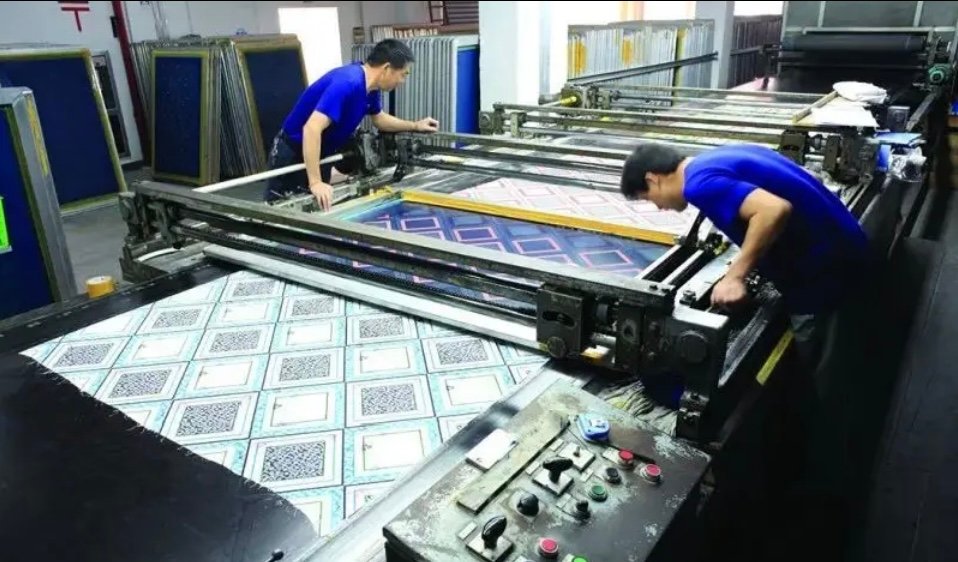
Integrating RIP Software with Design and Production Tools
A seamless workflow is vital for efficient textile production. RIP software is designed to integrate with popular design programs, such as Adobe Illustrator and Photoshop, as well as with textile-specific CAD tools. This integration allows designers to move from concept to print with minimal friction.
Additionally, modern RIPs support automation and workflow management, enabling batch processing and remote job submission. This is particularly valuable for print shops handling large volumes or custom orders.
If you’re working with specialty fabrics, you may also want to explore how to print on sustainable bamboo fabrics for additional insights into fabric-specific considerations.
Choosing the Right RIP Solution for Your Textile Printing Needs
Selecting the right RIP software depends on several factors, including the type of printer, the fabrics you use, and your production volume. Key considerations include:
- Printer Compatibility: Ensure the RIP supports your specific printer model and ink configuration.
- Color Management Features: Look for robust color profiling and calibration tools.
- Workflow Integration: Choose software that integrates smoothly with your existing design and production systems.
- Support for Specialty Inks and Effects: If you use white, metallic, or fluorescent inks, verify that the RIP can handle these.
- Ease of Use and Support: User-friendly interfaces and responsive technical support can make a significant difference in day-to-day operations.
For a deeper dive into digital textile processes and the importance of RIP technology, consider reading this comprehensive overview of digital textile printing.
Common Challenges and Best Practices
Even with advanced tools, textile printing can present challenges. Common issues include color shifts between batches, ink bleeding on certain fabrics, and inconsistent print quality. To address these, consider the following best practices:
- Regularly calibrate your printer and monitor to maintain color accuracy.
- Use fabric-specific ICC profiles within your RIP software.
- Test ink limits on new fabrics to avoid oversaturation.
- Stay updated with software patches and printer firmware for optimal compatibility.
For those working with intricate patterns or concerned about visual artifacts, learning how to manage moiré patterns in fabric design can further improve print outcomes.
FAQ
What is the main advantage of using RIP software in textile printing?
The primary benefit is precise color management and image processing, ensuring that digital designs are accurately reproduced on fabric. RIP solutions also streamline workflows and reduce errors, resulting in higher quality and more efficient production.
Can I use standard print drivers instead of RIP software for textile printing?
While standard drivers can handle basic tasks, they lack the advanced features needed for professional textile applications. RIP software offers superior control over color, ink deposition, and layout, which are essential for consistent, high-quality results.
How does RIP software handle different types of fabrics?
RIP solutions use fabric-specific color profiles and ink settings to adjust for the unique properties of each textile. This ensures optimal color reproduction and prevents issues like bleeding or fading, regardless of the material used.
Is RIP software necessary for small-scale or home textile printing?
While not strictly required for hobbyists, using a RIP can significantly improve print quality and consistency, even for small-scale projects. It is especially valuable when working with complex designs or requiring precise color matching.
Conclusion
RIP software is a cornerstone of modern digital textile printing, bridging the gap between creative design and flawless fabric output. By managing color, optimizing images, and streamlining production, it empowers print professionals to deliver exceptional results on a wide range of textiles. Whether you’re scaling up production or seeking to refine your craft, investing in the right RIP solution is key to achieving consistent, high-quality prints in today’s competitive textile market.