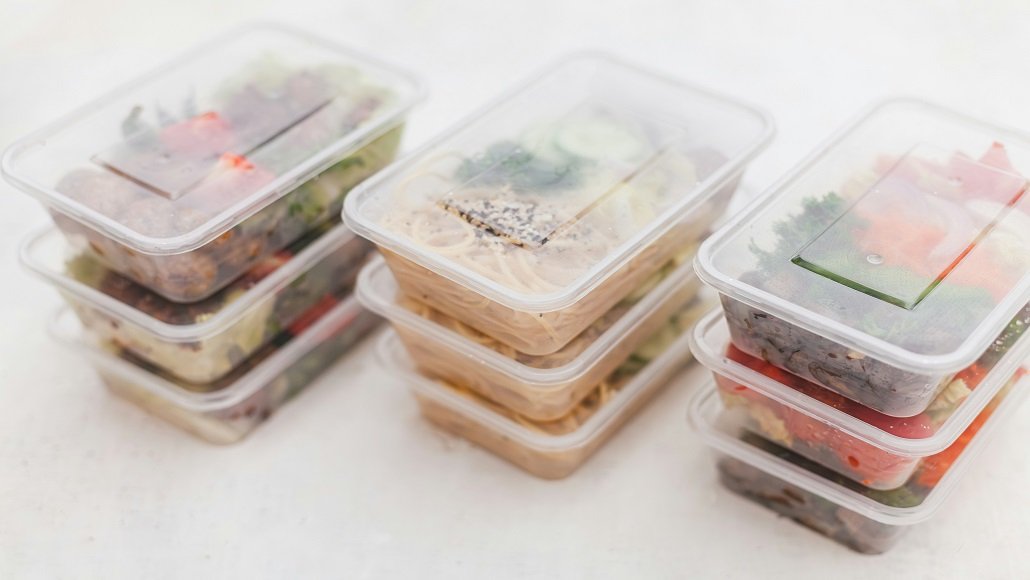
Ensuring the safety and integrity of food products during transportation and storage is a top priority for manufacturers, distributors, and retailers. Food-safe packaging logistics is the discipline that manages how food items are packaged, handled, and delivered while maintaining strict safety and quality standards. This process involves selecting appropriate packaging materials, adhering to regulatory requirements, and optimizing supply chain practices to prevent contamination and spoilage.
As consumer expectations for food safety rise and regulations become more stringent, businesses must pay close attention to every step in the packaging and logistics chain. From choosing the right materials to implementing effective tracking systems, every detail matters. For those interested in specialized applications, such as food-safe packaging for refrigerators, understanding these logistics is especially important.
Understanding the Basics of Food-Safe Packaging Logistics
At its core, food-safe packaging logistics refers to the coordinated processes that ensure food products are packaged, stored, and transported in a way that maintains their safety and quality. This includes selecting materials that are approved for food contact, designing packaging that protects against physical and microbial hazards, and managing the movement of goods from production to the end consumer.
The logistics chain for food packaging is complex, involving multiple stakeholders such as manufacturers, suppliers, logistics providers, and retailers. Each participant must follow best practices to prevent contamination, maintain traceability, and comply with food safety regulations.

Key Elements in Safe Food Packaging and Distribution
Several critical factors contribute to the effectiveness of food packaging logistics:
- Material Selection: Packaging materials must be non-toxic, non-reactive, and suitable for the specific type of food. Options include plastics, glass, metals, and paper-based solutions, each with unique properties and regulatory considerations.
- Hygienic Handling: All packaging operations should occur in clean environments to minimize the risk of contamination. Workers must follow strict hygiene protocols, and equipment should be regularly sanitized.
- Temperature Control: Many foods require controlled temperatures during storage and transit. Cold chain logistics are essential for perishable goods, ensuring that products remain within safe temperature ranges from origin to destination.
- Traceability: Implementing tracking systems helps monitor products throughout the supply chain, making it easier to identify and address any safety issues quickly.
- Compliance: Adhering to local and international food safety standards, such as FDA, EU, or other regulatory bodies, is non-negotiable for businesses operating in this sector.
Choosing the Right Packaging for Food Safety
Selecting the most appropriate packaging is a foundational step in maintaining food safety. The choice depends on the type of food, shelf-life requirements, and distribution methods. For a comprehensive overview of packaging types and decision-making criteria, see this guide to common food packaging types and how to choose the right one.
Businesses should also consider factors such as recyclability, cost, and consumer preferences. For those seeking more guidance, the food-safe packaging selection guide provides insights into evaluating materials and formats for different products.
Best Practices for Managing Food-Safe Packaging Logistics
To optimize the logistics of food-safe packaging, companies should implement the following best practices:
- Supplier Verification: Work only with reputable suppliers who provide certification for food-contact materials. Regular audits and quality checks help ensure ongoing compliance.
- Inventory Management: Use first-in, first-out (FIFO) systems to reduce the risk of expired or compromised packaging materials entering the supply chain.
- Staff Training: Train all personnel on food safety protocols, including proper handling, storage, and emergency response procedures.
- Transportation Controls: Vehicles and containers used for food transport should be cleaned and inspected regularly. Temperature and humidity controls must be monitored and documented.
- Documentation: Maintain detailed records of packaging batches, suppliers, and distribution routes to facilitate recalls or investigations if needed.

Challenges and Solutions in Food Packaging Logistics
The logistics of food-safe packaging present several challenges, including:
- Global Supply Chains: Sourcing materials from different regions can introduce variability in quality and compliance. Establishing strong relationships with trusted partners and verifying certifications help mitigate these risks.
- Regulatory Changes: Food safety regulations evolve, requiring businesses to stay updated and adapt processes accordingly. Subscribing to industry updates and participating in training programs can help companies remain compliant.
- Sustainability Pressures: There is growing demand for eco-friendly packaging that does not compromise safety. Innovations in biodegradable and recyclable materials are helping companies balance sustainability with food protection.
- Cost Management: High-quality, compliant packaging can be more expensive. Efficient logistics and bulk purchasing strategies can help control costs without sacrificing safety.
For those looking to streamline sourcing, working with reliable food-safe packaging distributors or established food-safe packaging manufacturers can provide consistency and peace of mind.
Future Trends in Food-Safe Packaging and Logistics
The landscape of food packaging logistics is evolving rapidly. Key trends shaping the future include:
- Smart Packaging: Technologies like QR codes, RFID tags, and sensors are being integrated into packaging to enhance traceability and provide real-time data on product conditions.
- Automation: Automated warehouses and robotic handling systems are improving efficiency and reducing human error in packaging and logistics operations.
- Personalization: Advances in printing and packaging design allow for more customized solutions that cater to specific food types and consumer needs.
- Greater Transparency: Consumers increasingly demand information about the origins and handling of their food, prompting brands to invest in transparent supply chains and clear labeling.
Frequently Asked Questions
What are the main regulations governing food-safe packaging logistics?
Regulations vary by region but typically include standards set by agencies such as the FDA in the United States, the European Food Safety Authority (EFSA) in the EU, and other national bodies. These regulations cover material safety, labeling, traceability, and hygiene requirements throughout the packaging and logistics process.
How can companies ensure their packaging materials are food-safe?
Businesses should source materials from certified suppliers, request documentation proving compliance with food-contact standards, and conduct regular audits. Training staff and maintaining clean facilities are also essential steps in ensuring food safety.
What role does temperature control play in food packaging logistics?
Temperature control is crucial for perishable foods. Maintaining the correct temperature during storage and transportation prevents spoilage and inhibits the growth of harmful microorganisms. Cold chain logistics and real-time monitoring systems are commonly used to manage this aspect effectively.