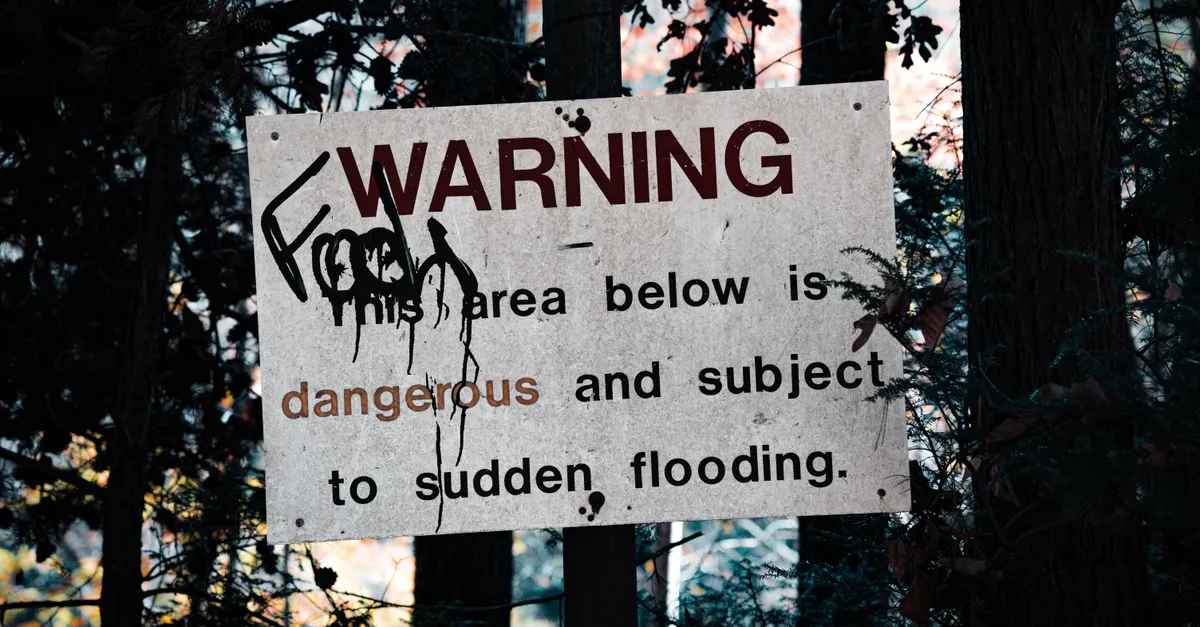
Choosing the right materials for outdoor signage is crucial for businesses and organizations that want to make a lasting impression. Outdoor signs face the elements daily, from harsh sunlight to rain and wind, which means the materials used must be both durable and weatherproof. However, with so many options available, deciding on the best material can be daunting. This guide will help you navigate the options, focusing on materials that offer durability, weather resistance, and cost-effectiveness.
Outdoor Signage Material Reviews
1 Aluminum Signs
Best For: Durability
Aluminum signs are a top choice for those seeking a durable and rust-resistant option for outdoor signage.
Pros and Cons
Pros
- Highly durable and rust-resistant
- Lightweight and easy to install
Cons
- Can be more expensive than other materials
- Limited flexibility in design
Why We Like It
Aluminum signs are a fantastic option for outdoor use due to their resilience against weather conditions. Unlike materials that may corrode or degrade over time, aluminum remains intact, making it ideal for long-term signage needs. This material is particularly well-suited for businesses located in areas with frequent rain or humidity, as it won’t rust. However, while aluminum is durable, it can be on the pricier side compared to other materials, which is something to consider if budget constraints are a concern. Overall, its longevity and low maintenance make it a worthwhile investment for permanent signage.
2 Vinyl Signs
Best For: Versatility
Vinyl signs offer unmatched versatility and are perfect for vibrant, colorful displays.

Pros and Cons
Pros
- Highly customizable with vibrant colors
- Cost-effective for short-term use
Cons
- Less durable in extreme weather conditions
- May fade over time with prolonged sun exposure
Why We Like It
Vinyl signs are incredibly popular for their flexibility and vibrant color options, making them ideal for promotional events and temporary displays. They can be easily customized to match specific branding needs, which is a huge advantage for businesses looking to make a strong visual impact. However, vinyl is not as durable as some other materials, particularly in harsh weather conditions. If you’re in a region with extreme temperatures or heavy rainfall, vinyl might not last as long as you’d like. Despite this, for short-term campaigns or indoor use, vinyl signs are an excellent choice due to their affordability and ease of use.
3 Dibond Signs
Best For: Stability
Dibond signs are known for their stability and strength, making them perfect for long-term outdoor use.

Pros and Cons
Pros
- Extremely durable and weather-resistant
- Lightweight yet strong
Cons
- Higher initial cost
- Limited flexibility in design
Why We Like It
Dibond signs are a premium choice for those who need a reliable, long-lasting solution for outdoor signage. They combine aluminum’s durability with a solid polyethylene core, offering excellent resistance to the elements without the weight of solid metal. This makes them particularly suitable for permanent installations where stability is key. While the initial investment is higher, the longevity and minimal maintenance required make Dibond a cost-effective option over time. However, if you’re looking for a material that allows for intricate designs, Dibond’s rigidity might be a limitation.
How to Choose the Right Outdoor Signage Material
Durability and Weather Resistance
When selecting materials for outdoor signage, durability and weather resistance are paramount. Materials like aluminum and Dibond are excellent choices for their ability to withstand harsh weather conditions without degrading. Consider the climate of your location to determine which material will offer the best longevity.
Cost Considerations
Budget is always a key factor in material selection. While materials like Dibond offer long-term savings due to their durability, they require a higher upfront investment. Vinyl, on the other hand, is more affordable initially but may need frequent replacements if used outdoors in harsh conditions.
Design Flexibility
The design capabilities of the material are also important. Vinyl offers the most flexibility with vibrant colors and custom shapes, making it ideal for temporary and promotional signage. In contrast, materials like aluminum and Dibond provide a more professional and polished look but with limited design options.
Frequently Asked Questions
What is the most durable material for outdoor signs?
Aluminum and Dibond are considered the most durable materials for outdoor signage due to their resistance to rust and weather conditions.
Are vinyl signs suitable for outdoor use?
Vinyl signs can be used outdoors, but they are best suited for short-term applications as they may fade or degrade in extreme weather conditions.
How do I choose the right material for my outdoor sign?
Consider factors such as durability, weather resistance, cost, and design flexibility. Match these with your specific needs and the environmental conditions of your location.
In conclusion, selecting the right material for your outdoor signage is essential for ensuring longevity and effectiveness. By considering factors such as durability, cost, and design flexibility, you can make an informed decision that best suits your needs and environment.