Digital textile printing has transformed how designers and manufacturers approach both home interiors and the fashion industry. With its ability to produce vibrant, intricate designs on a variety of fabrics, this technology offers flexibility and creative freedom that traditional methods can’t match. Whether you’re interested in custom upholstery, curtains, or unique garments, understanding the differences and similarities between digital printing for home decor and fashion is essential. This guide to digital textile printing for home decor vs fashion will break down the processes, materials, and design considerations that set these two applications apart, helping you make informed decisions for your next project.
Before diving into the technical and creative distinctions, it’s helpful to explore related techniques that can enhance your textile projects. For example, learning how to achieve metallic effects without foil can add a unique dimension to both home and fashion textiles, expanding your design possibilities even further.
Understanding Digital Textile Printing Technology
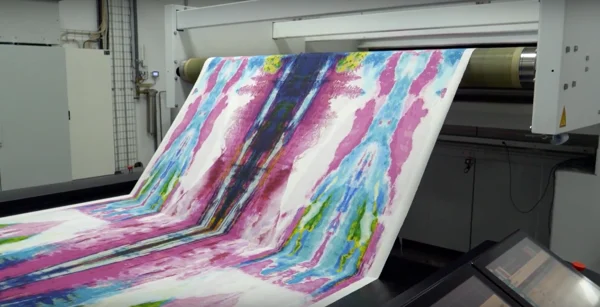
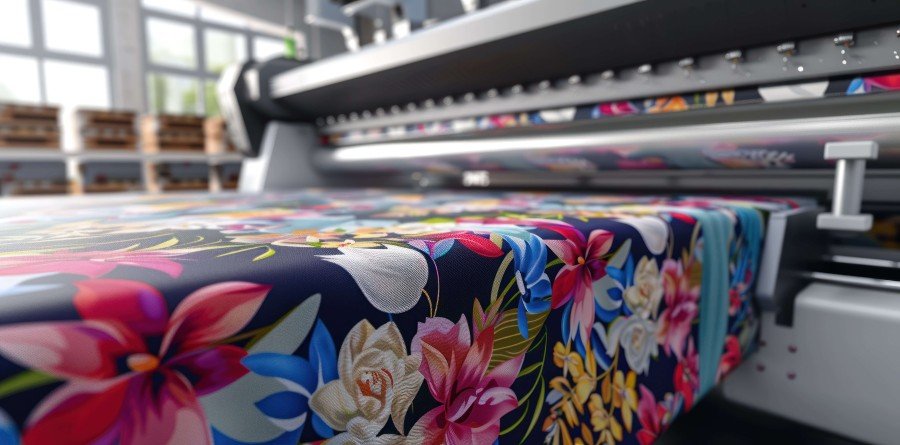
At its core, digital textile printing is a process where designs are printed directly onto fabric using inkjet technology. Unlike screen printing, which requires separate screens for each color, digital methods allow for unlimited color variation and intricate detail. This is especially valuable for both home decor and fashion, where customization and rapid prototyping are often required.
The process begins with a digital file, typically created in design software. Specialized printers then apply water-based or solvent-based inks to the fabric, which is subsequently fixed through heat or steam. This method is not only faster but also more environmentally friendly, as it reduces water and chemical waste.
Key Differences in Application: Interiors vs. Apparel
While the underlying technology is similar, the way digital printing is used in home decor versus fashion varies significantly. Each sector has unique requirements regarding fabric selection, durability, and design trends.
Fabric Choices and Performance
For home decor, fabrics must withstand frequent use, sunlight, and cleaning. Common choices include heavy cotton, linen, polyester blends, and performance textiles treated for stain and fade resistance. In contrast, fashion applications often prioritize drape, comfort, and appearance, leading to the use of lighter materials such as silk, rayon, viscose, and lightweight cottons.
The guide to digital textile printing for home decor vs fashion applications highlights that ink penetration and fixation are critical for both sectors, but the end-use dictates the best ink and pre-treatment methods. For example, pigment inks are popular in home decor for their wash and light fastness, while reactive or acid inks are preferred in fashion for their vibrant colors and soft hand feel.
Design Considerations and Trends
Home interiors often feature larger-scale patterns, repeats, and motifs that must align seamlessly across wide surfaces like curtains, upholstery, or bedding. Designers may use tools such as how to use adobe illustrator for textile repeats to ensure accuracy and consistency.
Fashion, on the other hand, leans toward smaller, more intricate patterns, placement prints, and seasonal color palettes. The ability to quickly prototype and adjust designs is a major advantage of digital printing in apparel, allowing brands to respond rapidly to trends and consumer feedback.
Production Workflow: From Design to Finished Product
Both home decor and fashion follow a similar workflow: design creation, file preparation, fabric selection, printing, and finishing. However, the scale and finishing techniques can differ.
- Home decor projects may require larger print runs, wider fabric widths, and additional treatments like flame retardancy or water resistance.
- Fashion production often involves smaller runs, more frequent design changes, and specialized finishing such as garment washing or pleating.
Managing technical challenges, such as moiré patterns or color consistency, is crucial in both fields. For those working with complex designs, understanding how to manage moiré patterns in fabric design can help maintain print quality across different materials.
Ink and Sustainability Considerations
The choice of ink is a major factor in both home decor and fashion printing. Pigment, reactive, acid, and disperse inks each have their pros and cons regarding color vibrancy, washability, and environmental impact. For instance, pigment inks are versatile and easy to use, while reactive inks offer deep, rich hues but require more water and energy for fixation.
Sustainability is increasingly important in both sectors. Digital printing inherently uses less water and produces less waste compared to traditional methods. To further reduce environmental impact, many manufacturers are exploring difference between solvent and eco-solvent textile inks and adopting eco-friendly inks and fabrics, such as organic cotton or recycled polyester.
For those interested in green solutions, printing on alternative materials like bamboo is gaining traction. Resources on how to print on sustainable bamboo fabrics provide valuable insights for both home and fashion applications.
Cost, Customization, and Market Trends
One of the biggest advantages of digital textile printing is the ability to produce small, customized batches without the high setup costs of traditional printing. This is particularly beneficial for boutique home decor brands and independent fashion designers who want to offer unique, limited-edition products.
The market for digitally printed textiles is growing rapidly. In home decor, consumers are seeking personalized interiors, from custom drapes to statement cushions. In fashion, the demand for fast, flexible production and on-demand designs continues to rise. This shift is driving innovation in both print technology and fabric development.
For a deeper dive into the fundamentals, you can explore a comprehensive explanation of digital fabric printing and how it is shaping the future of textiles.
Challenges and Solutions in Digital Textile Printing
Despite its many benefits, digital textile printing comes with challenges. Color management, fabric pre-treatment, and print durability are common concerns. Home decor items must withstand sunlight and frequent cleaning, while fashion garments require colorfastness and resistance to washing and abrasion.
Advancements in ink chemistry, printer technology, and fabric coatings are addressing these issues. Working closely with suppliers and testing samples before full production can help ensure the best results for your specific application.
FAQ: Digital Textile Printing for Interiors and Apparel
What fabrics are best suited for digital textile printing in home decor?
Heavyweight cotton, linen, polyester blends, and performance fabrics are popular for interiors due to their durability and ability to hold color. These materials are often pre-treated to enhance ink adhesion and improve wash and light fastness.
How does digital printing differ for fashion compared to home textiles?
Fashion printing typically uses lighter, more flexible fabrics and prioritizes drape and comfort. The design process often involves smaller, more detailed prints and frequent changes to keep up with trends, whereas home textiles focus on larger patterns and long-term durability.
Is digital textile printing environmentally friendly?
Yes, digital methods use less water and produce less waste than traditional printing. Choosing eco-friendly inks and sustainable fabrics can further minimize environmental impact, making it a responsible choice for both home and fashion applications.
Conclusion: Choosing the Right Approach for Your Project
Whether you’re designing for interiors or apparel, digital textile printing offers unmatched creative potential and efficiency. By understanding the unique requirements of each sector—from fabric selection and ink type to design trends and sustainability—you can make informed choices that result in beautiful, high-quality textiles. As technology continues to evolve, expect even greater possibilities for customization and eco-friendly production in both home decor and fashion.