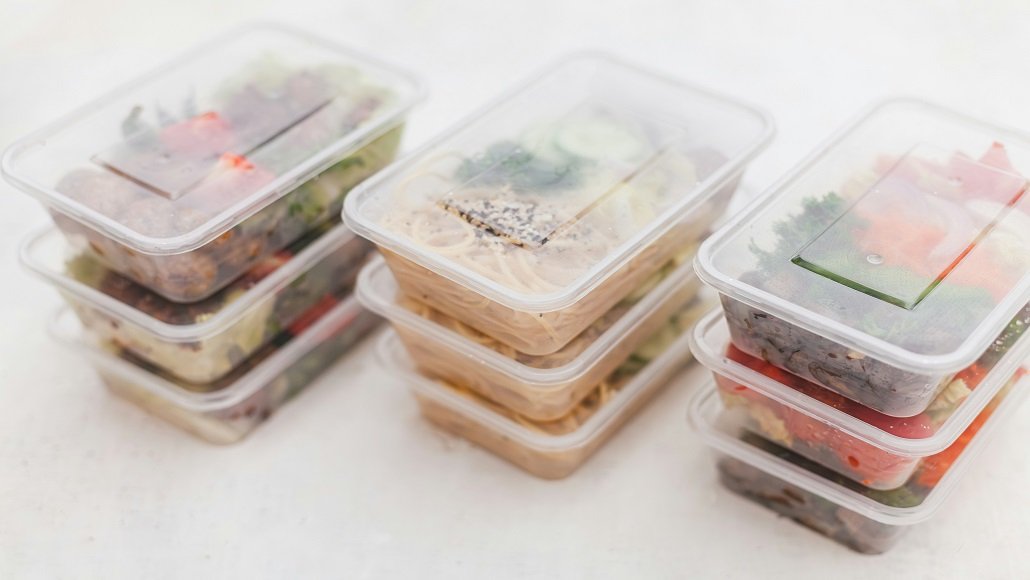
Ensuring that food products are packaged safely is a critical responsibility for any company involved in the food industry. Whether you manufacture, distribute, or sell edible goods, adhering to food-safe packaging standards is not only a legal requirement but also essential for consumer trust and brand reputation. These regulations are designed to prevent contamination, maintain product quality, and protect public health.
As packaging technologies evolve and consumer expectations increase, businesses must stay informed about the latest compliance requirements and best practices. Understanding the essentials of safe packaging helps companies avoid costly recalls, legal issues, and potential harm to customers. For those interested in the intersection of technology and food safety, exploring advancements like bio printing food research can provide valuable insights into future trends in sustainable packaging and nutrition.
Understanding the Basics of Food Packaging Compliance
At its core, compliance with food-safe packaging standards means ensuring that all materials and processes used in packaging are suitable for direct or indirect contact with food. This involves a combination of regulatory requirements, industry best practices, and ongoing monitoring.
- Material Safety: Only approved materials that do not leach harmful substances into food should be used. This includes plastics, paper, glass, and metals that meet specific migration limits.
- Hygienic Manufacturing: Facilities must maintain strict cleanliness to prevent contamination during packaging production.
- Traceability: Packaging should be traceable through batch numbers or codes, enabling quick action in case of recalls or safety concerns.
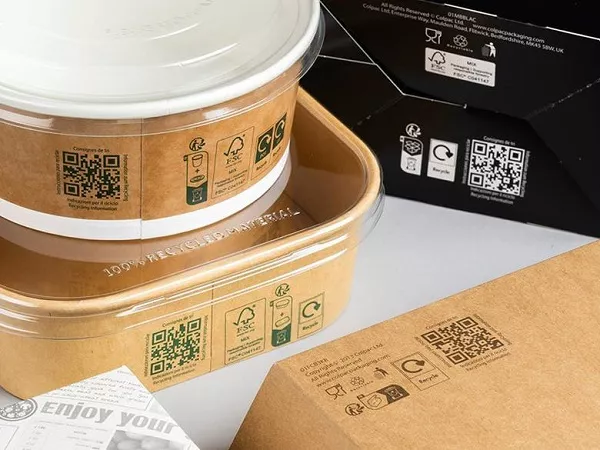
- Labeling: Accurate labeling is required to inform consumers about the packaging material, recycling instructions, and any potential allergens.
Key Regulations Governing Safe Food Packaging
Businesses must navigate a complex landscape of local, national, and international regulations. The most widely recognized guidelines include:
- FDA (U.S. Food and Drug Administration): In the United States, the FDA sets out rules for food contact substances, including the Food Contact Notification process and specific migration limits for chemicals.
- EU Framework Regulation (EC) No 1935/2004: This regulation ensures that materials do not transfer constituents to food in quantities that could endanger health or change food composition.
- Good Manufacturing Practices (GMP): Both the U.S. and EU require that packaging is produced under controlled conditions to minimize risks.
- Local Standards: Many countries have their own requirements, so it’s important to check for additional rules in your region.
For a deeper dive into the science and safety of food packaging, the article Food Packaging: A Comprehensive Review and Future Trends provides an excellent overview of current research and regulatory approaches.
Choosing Materials That Meet Food Safety Criteria
Selecting the right packaging materials is fundamental to meeting food-safe packaging standards. The choice depends on the type of food, shelf life requirements, and intended use. Common materials include:
- Plastics: Must be food-grade and free from harmful additives such as BPA or phthalates. Look for certifications or markings indicating suitability for food contact.
- Papers and Boards: Should be treated to resist grease and moisture, and must not contain recycled content that could introduce contaminants unless specifically processed for food use.
- Glass and Metals: Generally inert and safe, but coatings or linings used inside cans or jars must also comply with safety regulations.
- Biodegradable and Compostable Options: These are increasingly popular, but must still meet the same rigorous safety requirements as traditional materials.

Best Practices for Maintaining Packaging Safety
Beyond regulatory compliance, businesses should implement robust quality control and risk management processes. Some best practices include:
- Supplier Verification: Work only with trusted suppliers who can provide documentation and testing results for their materials.
- Regular Testing: Conduct periodic migration and contamination tests, especially when switching suppliers or materials.
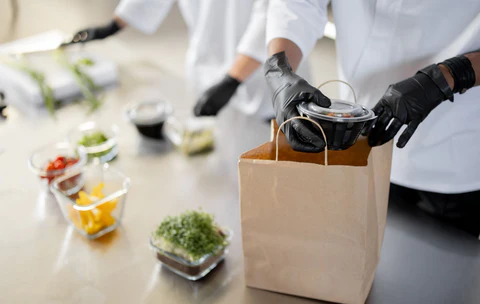
- Employee Training: Ensure staff are trained in hygiene, handling, and recognizing potential hazards in the packaging process.
- Documentation: Keep detailed records of materials, processes, and test results to demonstrate compliance if audited.
Emerging Trends in Sustainable and Safe Packaging
The industry is moving toward more sustainable solutions that do not compromise safety. Innovations include compostable films, edible coatings, and smart packaging that monitors freshness. Companies are also exploring the use of advanced technologies such as multimaterial 3D printing to create customized, efficient, and safe packaging solutions.
As regulations evolve, staying ahead of trends and adopting new materials or processes can help businesses remain competitive while maintaining high safety standards.
Frequently Asked Questions
What are the most important certifications for food packaging materials?
Key certifications include FDA approval in the United States, the European Union’s Framework Regulation (EC) No 1935/2004, and third-party certifications such as ISO 22000 for food safety management systems. Always verify that materials are certified for direct food contact.
How can businesses ensure ongoing compliance with packaging safety standards?
Regularly review regulatory updates, maintain open communication with suppliers, conduct routine testing, and document all processes. Employee training and internal audits are also essential for ongoing compliance.
Are biodegradable packaging materials always safe for food?
Not necessarily. Biodegradable and compostable materials must still meet all food safety regulations. Always check for certifications and conduct migration testing to ensure they do not introduce contaminants to food products.