Metallic finishes are a popular way to add shine, dimension, and a premium feel to printed textiles, packaging, and creative projects. Traditionally, foil stamping or hot foil transfer has been the go-to method for these effects. However, foil can be costly, less sustainable, and sometimes impractical for certain substrates or production runs. If you’re searching for how to achieve metallic effects without foil, there are several modern alternatives that deliver impressive results—often with added flexibility and environmental benefits.
This article explores practical techniques and materials for creating metallic looks without relying on traditional foil. Whether you’re working in textile design, digital printing, or DIY crafts, you’ll find actionable ideas to elevate your work. For those interested in advanced pattern creation, you may also want to learn how to use adobe illustrator for textile repeats to complement your metallic designs.
Modern Metallic Inks: The Foil-Free Solution
One of the most effective ways to create a metallic finish without foil is by using metallic inks. These specialty inks contain fine metallic pigments—often aluminum or bronze—that reflect light and produce a lustrous sheen. Available for both screen printing and digital applications, metallic inks can be layered, mixed, or printed directly onto a variety of surfaces.
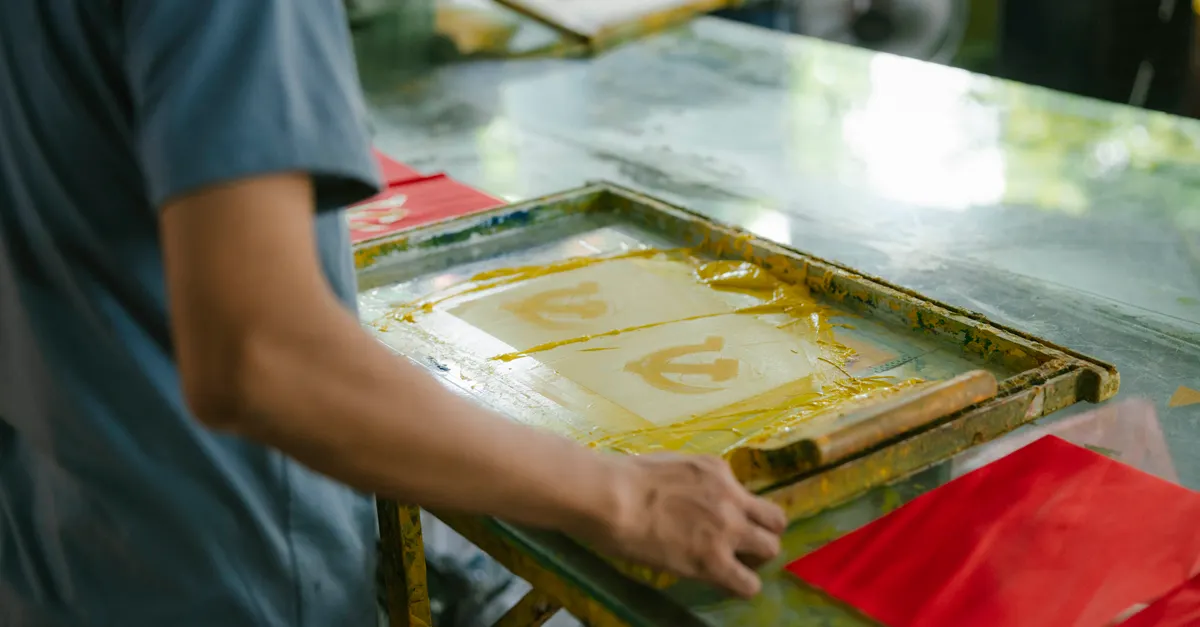
- Screen Printing: Metallic inks are widely used in screen printing for textiles, posters, and packaging. They offer a strong, opaque finish and can be combined with other ink types for custom effects.
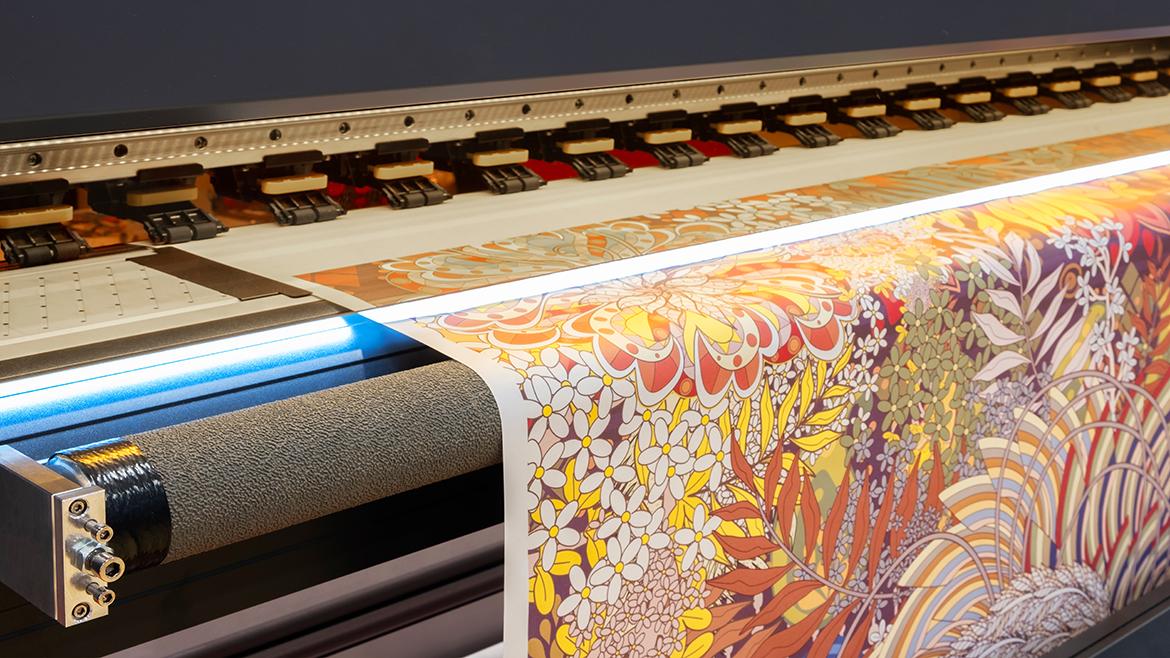
- Digital Printing: Advances in digital inkjet technology now allow for the use of metallic pigment inks, making it possible to achieve shimmering results on-demand and with less waste. For more about digital textile printing, see this comprehensive guide to digital textile printing.
When using metallic inks, it’s important to consider the base color of your substrate. Printing on darker backgrounds often enhances the metallic effect, while lighter backgrounds can create more subtle, pearlescent looks.

Specialty Pigments and Paints for Shimmering Results
Another approach for those seeking metallic effects without foil is the use of specialty pigments and paints. These products are available in a wide range of metallic shades, including gold, silver, copper, and iridescent colors. They can be applied by hand, with brushes or rollers, or through automated processes depending on your production needs.
- Pearlescent Pigments: These create a soft, reflective sheen and are often used in both textile and paper applications.
- Interference Pigments: These pigments shift color depending on the angle of light, adding a dynamic, high-end look.
- Spray Paints: Metallic spray paints are ideal for DIY projects, stencils, or adding highlights to larger surfaces.
When using paints or pigments, layering and sealing are key for durability. Consider using a clear topcoat to protect the finish and enhance the metallic shine.
Heat Transfer Vinyl and Metallic Films
Heat transfer vinyl (HTV) and metallic films offer a versatile way to add shine to textiles and other surfaces without traditional foil stamping. These materials are cut to shape and applied using a heat press or iron, bonding them to the substrate for a durable, eye-catching effect.
- Metallic HTV: Available in a variety of colors and finishes, metallic HTV is popular for custom apparel, bags, and accessories. It’s easy to cut with plotters or scissors and can be layered for multi-color designs.
- Adhesive Metallic Films: These are suitable for hard surfaces like glass, plastic, or metal, making them ideal for signage and promotional products.
While these materials don’t use foil in the traditional sense, they provide a similar look and can be applied with minimal equipment. Proper application ensures longevity and resistance to washing or abrasion.

Digital Printing and Eco-Friendly Metallic Options
For those prioritizing sustainability, digital printing with eco-friendly metallic inks is an excellent alternative. These inks are formulated to reduce environmental impact, often using water-based carriers and non-toxic pigments. They are compatible with a range of substrates and can be used for short runs or rapid prototyping.
Digital methods also allow for precise placement and variable data, making them ideal for personalized products or intricate designs. If you’re interested in sustainable materials, you might explore how to print on sustainable bamboo fabrics for a greener approach to metallic finishes.
Eco-friendly metallic inks can be combined with other digital effects, such as gradients or overlays, to create unique, modern looks that rival traditional foil in both appearance and performance.
Embossing, Debossing, and Texture-Based Techniques
While not strictly metallic, embossing and debossing can add a tactile, dimensional quality that mimics the luxury of foil. These techniques use pressure to raise or lower areas of the substrate, which can then be combined with metallic inks or paints for enhanced effect.
- Embossing: Raises the design above the surface, catching light and creating subtle highlights.
- Debossing: Presses the design into the material, offering a recessed, shadowed effect.
Pairing these methods with metallic pigments or spot gloss can create a premium look without the need for traditional foil stamping. This approach is especially popular in packaging, business cards, and luxury branding.
Best Practices for Consistent Metallic Results
Achieving a convincing metallic effect without foil requires careful material selection and process control. Here are some tips to ensure success:
- Test Your Materials: Always sample your inks, paints, or films on the intended substrate before full production.
- Consider Substrate Color: Darker backgrounds often enhance metallic shine, while lighter ones create softer effects.
- Layer for Depth: Multiple coats or layers can intensify the metallic appearance and improve durability.
- Seal and Protect: Use clear topcoats or laminates to safeguard the finish, especially for items subject to wear.
- Stay Informed: Keep up with new products and techniques, as innovations in digital printing and specialty materials continue to expand the possibilities for metallic finishes.
For those working with complex patterns or worried about visual artifacts, learning how to manage moiré patterns in fabric design can help maintain the clarity and impact of your metallic designs.
FAQ: Metallic Effects Without Traditional Foil
What are the most sustainable ways to create metallic finishes?
Eco-friendly metallic inks, especially water-based digital options, are among the most sustainable choices. They reduce waste, avoid harsh chemicals, and are suitable for use on recycled or natural fabrics. Combining these with sustainable substrates, such as bamboo or organic cotton, further enhances environmental benefits.
Can metallic effects be achieved on any fabric or surface?
Most metallic inks, paints, and films are compatible with a wide range of materials, including textiles, paper, plastics, and metals. However, the final result may vary depending on the substrate’s color, texture, and absorbency. Always test on a sample before committing to a full production run.
How do metallic inks compare to foil in terms of durability?
High-quality metallic inks and films can be very durable, especially when properly applied and sealed. While foil may offer a slightly more reflective finish, modern alternatives are designed to withstand washing, abrasion, and UV exposure, making them suitable for both apparel and industrial applications.
Conclusion
Exploring how to achieve metallic effects without foil opens up a world of creative and sustainable possibilities. From specialty inks and pigments to heat transfer films and digital printing, there are numerous techniques to suit every project and budget. By understanding the strengths of each method and following best practices, you can deliver stunning metallic looks that rival traditional foil—while enjoying greater flexibility and often a smaller environmental footprint.