Pigment printing has become a significant innovation in textile decoration, especially for fashion brands seeking efficiency, sustainability, and design flexibility. But what is pigment printing in the fashion industry and why has it gained so much traction? This article explores the process, its unique benefits, and how it compares to other textile printing methods. Whether you’re a designer, manufacturer, or simply interested in modern apparel production, understanding this technology can help you make informed choices about materials and techniques.
Before diving into the technical details, it’s useful to recognize how pigment-based methods are shaping the future of garment decoration. For those interested in broader trends, you may also want to learn about what is the future of smart textiles and printing and how advanced processes are influencing the industry.
Understanding Pigment Printing for Fashion Applications
At its core, pigment printing is a method where color pigments are applied directly onto fabric surfaces. Unlike dye-based processes, pigments do not chemically bond with fibers. Instead, they are fixed onto the fabric using a binder, which acts as an adhesive. This process is widely used for both natural and synthetic textiles, making it extremely versatile for the fashion sector.
In the context of modern apparel production, pigment printing stands out for its ability to deliver vibrant, long-lasting designs with minimal water and energy usage. The process is suitable for a wide range of materials, including cotton, polyester blends, and even some specialty fabrics.

How the Pigment Printing Process Works
The process begins with the preparation of a pigment paste, which contains finely ground color particles, a binder, and various additives to improve application and fixation. The steps typically include:
- Preparation: The fabric is cleaned and pre-treated if necessary to ensure optimal adhesion.
- Printing: The pigment paste is applied to the textile using techniques such as screen printing, rotary printing, or digital inkjet printing.
- Drying: After application, the fabric is dried to remove moisture and prepare for fixation.
- Fixation: Heat is used to cure the binder, locking the pigment particles onto the fabric surface.
This straightforward workflow makes pigment-based methods especially attractive for both small-scale studios and large manufacturing operations.
Key Advantages of Pigment Printing in Apparel Manufacturing
Several benefits make pigment-based decoration a preferred choice for many fashion brands:
- Eco-Friendly Production: Pigment printing uses significantly less water compared to dye-based processes, reducing environmental impact and wastewater generation.
- Versatility: It works well on a wide variety of fibers and blends, allowing designers to experiment with different materials.
- Design Flexibility: The technology supports both simple and highly detailed patterns, making it ideal for fashion collections that require frequent design changes.
- Cost-Effectiveness: Lower energy and water requirements, combined with minimal setup costs, make it an economical choice for short runs and custom orders.
- Fast Turnaround: The process eliminates lengthy washing and steaming steps, enabling quicker production cycles and faster time-to-market.
These advantages are especially relevant for brands focusing on sustainability, rapid prototyping, and on-demand production models.

Comparing Pigment Printing to Other Textile Printing Methods
To fully appreciate the impact of pigment-based techniques, it’s helpful to compare them with other popular textile printing methods:
| Method | Water Usage | Color Vibrancy | Material Compatibility | Environmental Impact |
|---|---|---|---|---|
| Pigment Printing | Low | Good | Wide (natural & synthetic) | Low |
| Reactive Dye Printing | High | Excellent | Best for cellulose fibers | High |
| Disperse Dye Printing | Moderate | Excellent | Polyester & synthetics | Moderate |
| Sublimation Printing | Very Low | Very Good | Polyester only | Very Low |
While pigment-based decoration may not always achieve the same depth of color as some dye-based processes, its environmental and operational benefits are hard to ignore. For many fashion brands, the trade-off is worthwhile, especially when sustainability and speed are priorities.
Digital Pigment Printing: The Next Step in Fashion Innovation
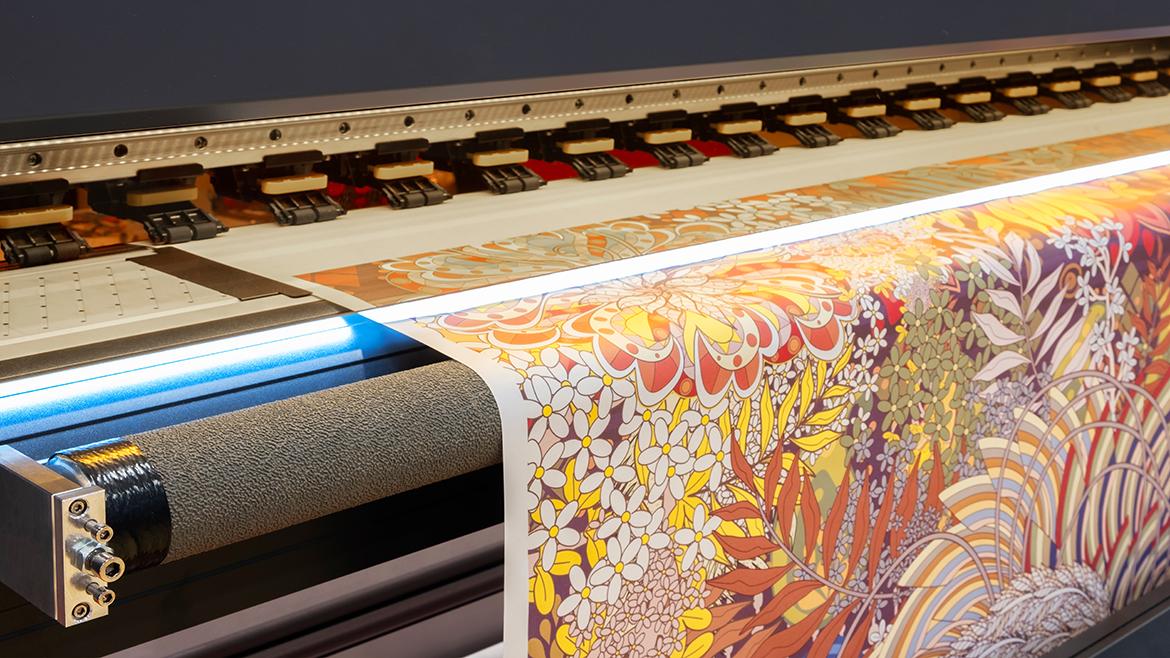
Digital technology has revolutionized pigment-based methods, making them even more accessible and versatile. Digital pigment printing allows for high-resolution images, intricate patterns, and rapid design changes without the need for screens or plates. This is particularly valuable for brands that want to offer personalized or limited-edition products.
For a deeper dive into how digital methods are transforming the industry, you might find this guide to digital textile printing helpful. It covers the broader landscape of digital techniques, including pigment-based applications.
Challenges and Considerations
Despite its many advantages, pigment-based decoration does have some limitations:
- Hand Feel: The binder can sometimes make the printed area feel stiffer than the rest of the fabric, though advances in chemistry are reducing this effect.
- Color Depth: While modern pigments are vibrant, they may not match the intensity of some dye-based prints, especially on dark or very absorbent fabrics.
- Durability: Proper fixation is crucial for wash and rub fastness. Poorly cured prints may fade or crack over time.
Understanding these factors helps brands and designers make informed decisions about when and how to use this method in their collections.
Integrating Pigment Printing into Modern Fashion Workflows
Fashion houses and independent designers are increasingly adopting pigment-based techniques for both large-scale production and small-batch runs. The method’s compatibility with digital workflows makes it ideal for trend forecasting, rapid prototyping, and on-demand manufacturing. If you’re interested in leveraging digital processes for trend analysis, check out this resource on how to use digital printing for fashion trend forecasting.
Additionally, localized and small-scale production models benefit from pigment-based methods due to their low setup costs and fast turnaround times. This aligns with the growing demand for sustainable, flexible, and customer-centric fashion solutions.
Frequently Asked Questions
What types of fabrics are best suited for pigment-based decoration?
Pigment-based methods work well on a wide range of materials, including cotton, polyester, blends, and even some specialty fibers. The key is ensuring the fabric is properly prepared for optimal pigment adhesion and durability.
Is pigment printing environmentally friendly?
Yes, this method is considered more sustainable than many traditional dye-based processes. It uses less water, generates minimal wastewater, and often requires less energy, making it a popular choice for eco-conscious brands.
How does pigment printing compare to other digital textile printing methods?
While it may not always achieve the same depth of color as reactive or disperse dye printing, pigment-based techniques offer advantages in terms of versatility, speed, and environmental impact. Digital pigment printing, in particular, allows for rapid design changes and efficient short runs.
Conclusion
Understanding what is pigment printing in the fashion industry and its key advantages helps brands, designers, and manufacturers make smarter choices about textile decoration. With its eco-friendly profile, versatility, and compatibility with digital workflows, pigment-based methods are set to play an increasingly important role in the future of fashion production.