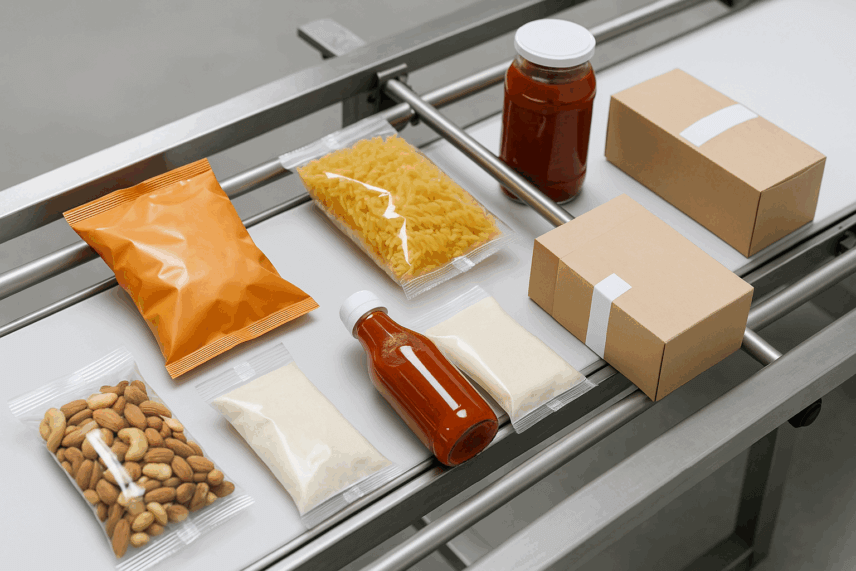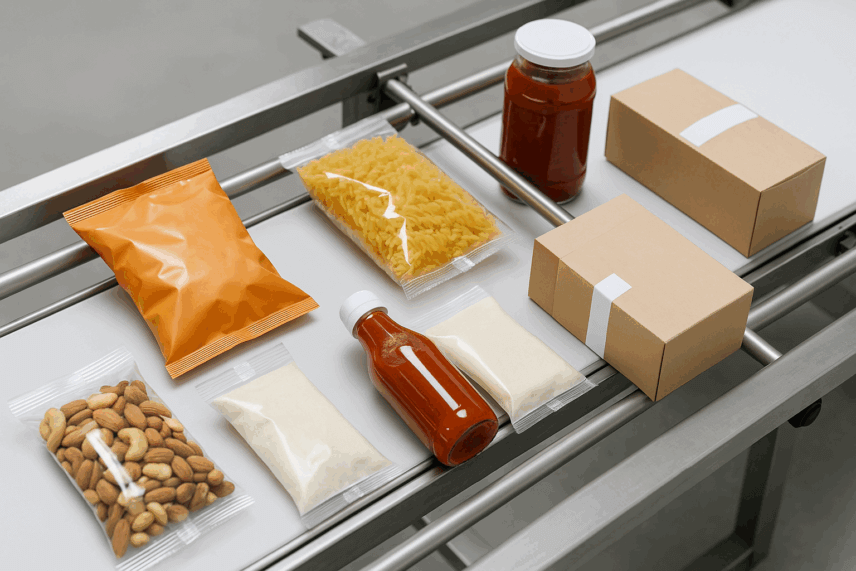
Ensuring that groceries reach customers in a safe, hygienic, and appealing manner is a top priority for every supermarket and specialty food retailer. Food-safe packaging for grocery stores plays a crucial role in maintaining product quality, preventing contamination, and meeting regulatory requirements. With evolving consumer expectations and stricter food safety standards, understanding the essentials of safe packaging is more important than ever.
This article explores the fundamentals of food-grade packaging, key materials, compliance factors, and practical tips for store owners and managers. If you’re interested in how packaging intersects with broader trends in retail and manufacturing, you might also want to read about benefits of localized printing for global brands and how they impact supply chains.
What Makes Packaging Food-Safe?
At its core, food-safe packaging for grocery stores refers to any material or container that is specifically designed and tested to safely hold, store, or transport food without causing contamination or chemical migration. The packaging must not alter the taste, aroma, or nutritional value of the food, nor should it introduce any harmful substances.
Key characteristics of food-grade packaging include:
- Non-toxicity: Materials must not leach harmful chemicals into food.
- Barrier properties: Effective at protecting food from moisture, oxygen, light, and external contaminants.
- Durability: Able to withstand handling, stacking, and temperature changes without breaking down.
- Compliance: Meets all relevant food safety regulations and standards.
Common Materials Used in Grocery Store Packaging
Grocery stores use a wide variety of packaging materials, each with its own advantages and best-use scenarios. Here are some of the most common options:

- Plastics: Widely used for their versatility, plastics like PET, HDPE, and PP are found in bottles, clamshells, and wraps. Look for containers labeled as food-grade or with the appropriate recycling codes.
- Paper and Cardboard: Often used for dry goods, bakery items, and takeout containers. When lined with food-safe coatings, they provide a sustainable and recyclable option.
- Glass: Inert and non-reactive, glass jars and bottles are ideal for products that require long shelf life and protection from air and moisture.
- Metals: Aluminum and tin are commonly used for canned goods and foil wraps. They offer excellent barrier properties and are fully recyclable.
- Compostable and Biodegradable Materials: As sustainability becomes a priority, many stores are adopting plant-based plastics, bagasse, and other eco-friendly alternatives.
Regulations and Compliance for Food-Grade Packaging
All packaging that comes into direct contact with food must comply with strict regulatory standards. In the United States, the Food and Drug Administration (FDA) sets guidelines for what constitutes food-safe materials. In Europe, the European Food Safety Authority (EFSA) oversees similar regulations.
Key compliance factors include:
- Material Safety Data Sheets (MSDS): These documents provide information on the chemical composition and safety of packaging materials.
- Certifications: Look for packaging that is certified as food-grade by recognized authorities.
- Labeling: Food-safe containers are often marked with symbols or language indicating their suitability for food contact.
For more details on how to determine if a packaging material is safe for food, see this comprehensive guide to identifying food-safe packaging materials.
Best Practices for Grocery Store Packaging Selection
Choosing the right packaging is about more than just compliance. It’s also about protecting your brand, reducing waste, and delivering a positive customer experience. Here are some practical tips:
- Assess Product Needs: Match packaging to the specific requirements of each food item—fresh produce, deli meats, baked goods, and frozen foods all have unique needs.
- Prioritize Transparency: Clear packaging allows customers to see the product, which builds trust and helps with purchasing decisions.
- Opt for Tamper-Evident Features: Seals and closures that show if a package has been opened increase safety and consumer confidence.
- Consider Sustainability: Eco-friendly packaging options are increasingly important to shoppers. Compostable, recyclable, or reusable materials can set your store apart.
- Stay Informed: Keep up with changing regulations and industry innovations to ensure ongoing compliance and competitiveness.

Trends in Safe and Sustainable Grocery Packaging
The landscape of food-safe packaging for grocery stores is evolving rapidly. Here are some trends shaping the future:
- Biodegradable and Compostable Materials: More stores are switching to packaging that breaks down naturally, reducing landfill waste.
- Minimalist Design: Simple, functional packaging that uses fewer materials is gaining popularity for both cost and environmental reasons.
- Smart Packaging: Technologies such as freshness indicators and QR codes are being integrated to provide more information and improve traceability.
- Reusable Containers: Some retailers are piloting returnable packaging systems, especially for bulk and deli items.
For those interested in the intersection of packaging and technology, exploring what is the future of smart textiles and printing can offer insights into how innovation is transforming retail packaging solutions.
How to Identify Food-Safe Packaging in Your Store
Ensuring that all packaging used in your grocery store is food-safe involves a few essential steps:
- Check for Certification: Look for symbols or statements indicating FDA or EFSA compliance.
- Request Documentation: Ask suppliers for MSDS and food safety certificates.
- Inspect Packaging: Avoid materials with strong odors, visible defects, or unclear labeling.
- Stay Updated: Regularly review supplier practices and audit packaging for ongoing compliance.
Frequently Asked Questions
What is the difference between food-safe and regular packaging?
Food-safe packaging is specifically designed and tested to ensure it does not contaminate food or alter its quality. Regular packaging may not meet these standards and could introduce harmful chemicals or allow contamination, making it unsuitable for direct food contact.
Are eco-friendly packaging options always food-safe?
Not all eco-friendly materials are automatically safe for food. Always check for certifications and documentation proving that compostable or biodegradable packaging is approved for food contact. Look for clear labeling and supplier assurances.
How can grocery stores ensure ongoing compliance with food safety regulations?
Grocery stores should work closely with reputable packaging suppliers, request up-to-date certifications, and regularly audit their packaging inventory. Staying informed about regulatory changes and industry best practices is essential for ongoing compliance.
Conclusion
Choosing the right food-safe packaging for grocery stores is a vital part of running a successful retail food business. By understanding the materials, regulations, and trends shaping the industry, store owners and managers can protect their customers, enhance their brand, and stay ahead of evolving standards. As consumer expectations rise and regulations tighten, investing in safe, sustainable, and innovative packaging solutions is more important than ever.