Understanding the food-safe packaging cost is essential for any business involved in the production, distribution, or sale of food products. Whether you are a small bakery, a meal delivery startup, or a large-scale food manufacturer, the expenses associated with compliant packaging can significantly impact your bottom line. This guide breaks down the factors that influence these costs, explores the types of materials and certifications involved, and offers practical advice for managing expenses while maintaining safety and quality.
Food packaging does more than just contain and protect products—it plays a vital role in ensuring food safety, extending shelf life, and meeting regulatory requirements. As consumer awareness around food safety continues to grow, so does the demand for packaging that meets strict health and environmental standards. For businesses, this means navigating a complex landscape of material choices, compliance measures, and fluctuating market prices.
For those interested in how packaging innovation intersects with other industries, you might also want to explore what is the future of smart textiles and printing for insights into advanced materials and printing technologies.
Key Factors That Influence Food-Safe Packaging Cost
Several variables contribute to the final price of food-safe packaging. Understanding these factors can help businesses make informed decisions and optimize their packaging strategies.
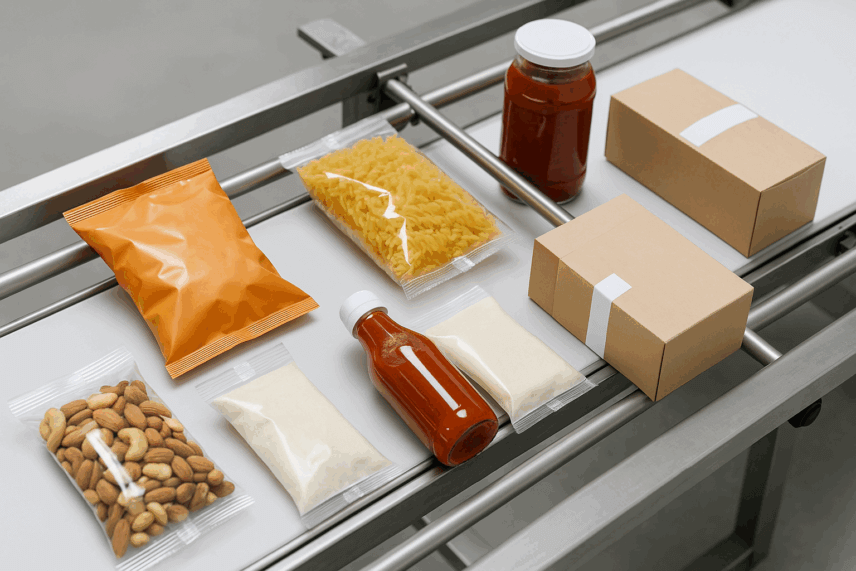
- Material Selection: The choice of material—such as plastic, glass, metal, paperboard, or compostable alternatives—has a direct impact on cost. Each material comes with its own price point, durability, and compliance requirements.
- Regulatory Compliance: Packaging must meet food safety standards set by organizations like the FDA, EFSA, or local authorities. Obtaining certifications and conducting safety tests can add to overall expenses.
- Printing and Branding: Custom printing, labeling, and branding increase costs, especially when using food-safe inks and coatings.
- Order Volume: Bulk orders typically reduce unit costs due to economies of scale, while small runs or custom shapes may be more expensive per piece.
- Supply Chain and Transportation: The distance between packaging suppliers and your facility, as well as current fuel prices, can affect shipping costs.
- Environmental Considerations: Eco-friendly and recyclable packaging options often come at a premium but may be necessary to meet consumer demand and regulatory requirements.
Types of Materials and Their Impact on Safe Packaging Expenses
The material used for food packaging is one of the most significant contributors to total costs. Here’s a look at common options and how they affect pricing:
| Material | Typical Uses | Relative Cost | Food Safety Notes |
|---|---|---|---|
| Plastic (PET, HDPE, PP) | Bottles, trays, wraps | Low–Medium | Widely used, must be food-grade and BPA-free |
| Glass | Jars, bottles | Medium–High | Non-reactive, fully recyclable, heavier to ship |
| Metal (Aluminum, Tin) | Cans, foils | Medium | Excellent barrier, recyclable, may require lining |
| Paperboard/Cardboard | Boxes, cartons | Low–Medium | Needs food-safe coatings for direct contact |
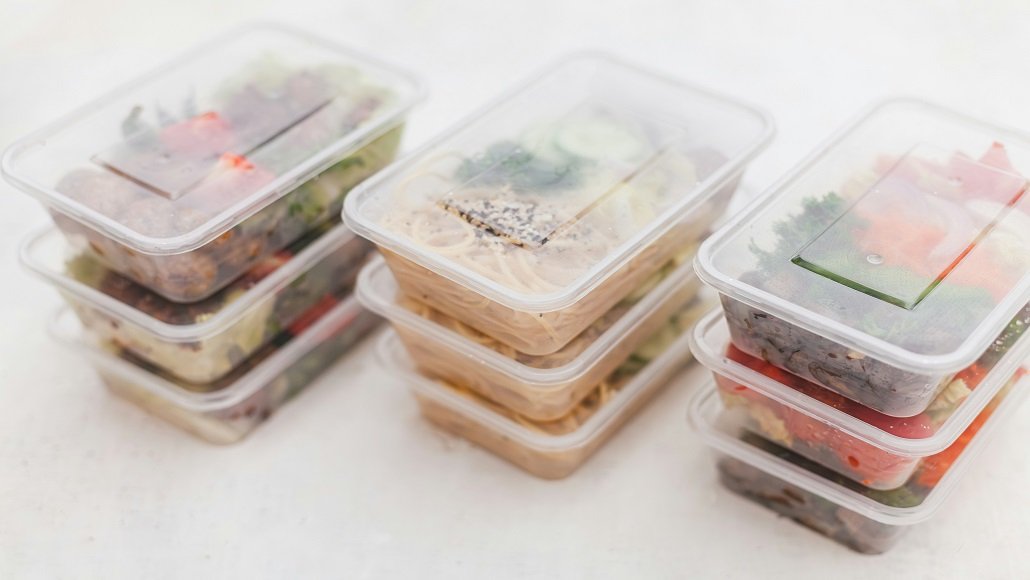
| Compostable/Biodegradable | Takeout containers, wraps | Medium–High | Eco-friendly, may have shorter shelf life |

How Certification and Compliance Affect Food-Safe Packaging Cost
Ensuring that packaging is compliant with food safety regulations is non-negotiable. Certification processes, lab testing, and documentation can add to the total expense, but they are crucial for legal compliance and consumer trust.
- Testing and Validation: Materials must be tested for chemical migration, allergen safety, and suitability for food contact. These tests can be costly, especially for new or custom materials.
- Certification Fees: Obtaining certifications such as FDA approval, BRCGS, or ISO 22000 involves fees and periodic renewals.
- Ongoing Compliance: Regulations evolve, and maintaining compliance may require updating materials or processes, impacting long-term costs.
For a deeper dive into what makes packaging compliant, see this comprehensive guide to food-safe packaging standards.
Cost-Saving Strategies for Food Businesses
While expenses for safe packaging are unavoidable, there are practical ways to manage and reduce them without compromising on quality or compliance:
- Bulk Purchasing: Ordering larger quantities can significantly lower per-unit costs, especially for standardized packaging.
- Material Optimization: Work with suppliers to select the most cost-effective materials that still meet safety and branding needs.
- Streamlined Design: Simplifying packaging shapes and minimizing unnecessary features can reduce both material and production costs.
- Supplier Negotiation: Building long-term relationships with suppliers can lead to better pricing and more favorable payment terms.
- Evaluate Local Sourcing: Reducing transportation distances can help cut shipping costs and environmental impact. For more on the benefits of local production, see the article on benefits of localized printing for global brands.

Balancing Food Safety and Packaging Budgets
Finding the right balance between safety, compliance, and cost is an ongoing challenge for food businesses. Cutting corners on packaging can lead to regulatory penalties, product recalls, and loss of consumer trust. On the other hand, over-investing in premium materials or excessive features can erode profit margins.
A practical approach involves regular review of packaging needs, staying updated on regulatory changes, and working closely with trusted suppliers. Consider conducting periodic audits of your packaging supply chain to identify opportunities for cost savings and efficiency improvements.
It’s also important to factor in the total cost of ownership, including storage, transportation, and disposal or recycling fees, when evaluating packaging options.
Frequently Asked Questions
What is the average cost difference between standard and food-safe packaging?
Standard packaging materials are generally less expensive because they do not require the same level of testing, certification, or specialized coatings. Food-safe options can cost anywhere from 10% to 50% more depending on the material and regulatory requirements. However, the added expense is necessary to ensure consumer safety and legal compliance.
Are eco-friendly food packaging materials more expensive?
Eco-friendly and compostable packaging materials often come at a premium compared to traditional plastics or paperboard. The higher price is due to the cost of sourcing sustainable raw materials and the additional certifications required. However, demand for sustainable options is rising, which may help lower prices over time.
How can small businesses reduce their food-safe packaging expenses?
Small businesses can manage costs by ordering in bulk, choosing standardized packaging sizes, and working with local suppliers to reduce shipping fees. Simplifying design and minimizing custom features can also help lower expenses. It’s important to compare quotes from multiple suppliers and regularly review packaging needs as the business grows.
In summary, understanding the variables that affect food-safe packaging cost allows businesses to make informed decisions, maintain compliance, and protect both their products and their reputation. By staying proactive and strategic, it’s possible to manage expenses without sacrificing quality or safety.