Printing on delicate fibers such as wool and mohair requires a specialized approach to achieve vibrant, long-lasting results without damaging the fabric. These natural fibers are prized for their softness, warmth, and luxurious texture, but their unique characteristics can present challenges during the printing process. Whether you are a textile designer, a print specialist, or a fashion entrepreneur, understanding the best practices for working with these materials is essential for producing high-quality prints that stand out in the marketplace.
This guide explores proven methods, material preparation, and professional advice to help you master the art of printing on wool and mohair. By following these expert strategies, you can avoid common pitfalls and ensure your finished products retain their beauty and integrity.
For those interested in exploring innovative materials and techniques, you may also want to read about how to print on cork and non-traditional materials for further inspiration and technical insights.
Understanding the Nature of Wool and Mohair
Before diving into tips for printing on wool and mohair, it’s important to understand what makes these fibers unique. Wool, sourced from sheep, and mohair, derived from the Angora goat, are both protein-based fibers. They are naturally resilient, have excellent moisture-wicking properties, and offer a soft hand feel. However, their surface structure and sensitivity to heat and chemicals mean that not all printing methods are suitable.
- Wool: Features a scaly surface and can felt or shrink when exposed to high temperatures or agitation.
- Mohair: Known for its sheen and smoothness, but can be even more delicate than wool.
These characteristics influence how dyes and inks interact with the fabric and determine which printing processes will yield the best results.
Preparing Wool and Mohair for Printing
Proper preparation is a crucial step in achieving professional-quality prints. Both wool and mohair require gentle handling to maintain their structure and appearance.
- Pre-washing: Always pre-wash the fabric using a mild detergent and cool water. This removes any oils, dirt, or sizing agents that could interfere with ink adhesion.
- Drying: Air-dry the fabric flat to prevent stretching or distortion. Avoid using a tumble dryer, as heat can cause shrinkage or felting.
- Surface Preparation: Lightly brush the fabric to remove loose fibers and create a smooth surface for printing.
Taking these steps helps ensure that the fabric is clean, stable, and ready for the next stage of the process.
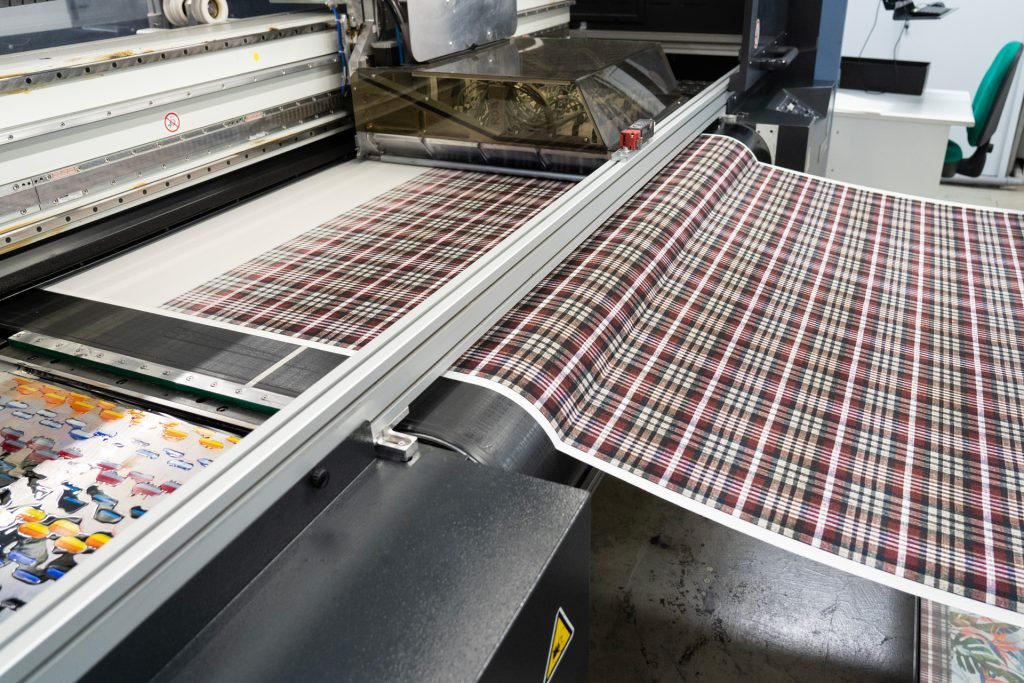
Choosing the Right Printing Method for Delicate Fibers
Not all printing techniques are suitable for wool and mohair. The choice of method can impact color vibrancy, fabric feel, and durability. Here are the most effective approaches:
1. Digital Textile Printing
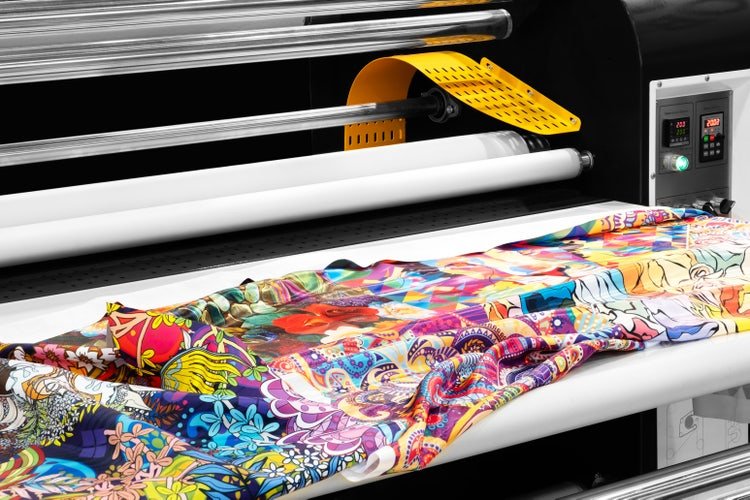
Digital printing is increasingly popular for natural fibers due to its precision and versatility. This method uses specialized inks and controlled temperatures, minimizing the risk of fabric damage. For a comprehensive overview, see this digital textile printing definition which explains the process in detail.
- Use reactive or acid dyes designed for protein fibers.
- Maintain moderate temperatures during fixation to avoid felting.
- Perform post-print washing to remove excess dye and enhance colorfastness.
2. Screen Printing on Wool and Mohair
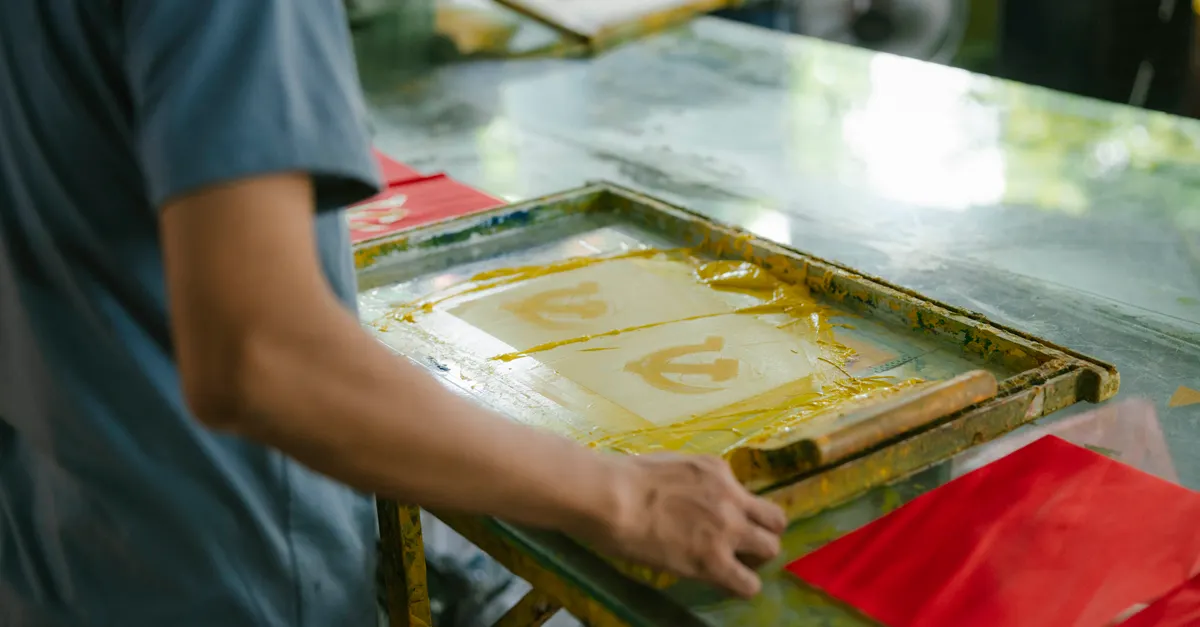
Screen printing can be effective, but requires careful ink selection and gentle handling. Use water-based inks formulated for natural fibers, and avoid plastisol inks, which may not bond well or could stiffen the fabric.
- Apply minimal pressure to prevent fabric distortion.
- Test ink penetration on a sample before full production.
- Allow for longer drying times to preserve the fabric’s softness.
3. Sublimation and Transfer Printing
Sublimation is generally not recommended for wool and mohair, as it works best with synthetic fibers. However, transfer printing with low-heat adhesives can be used for certain applications, provided the temperature is carefully controlled to avoid fiber damage.
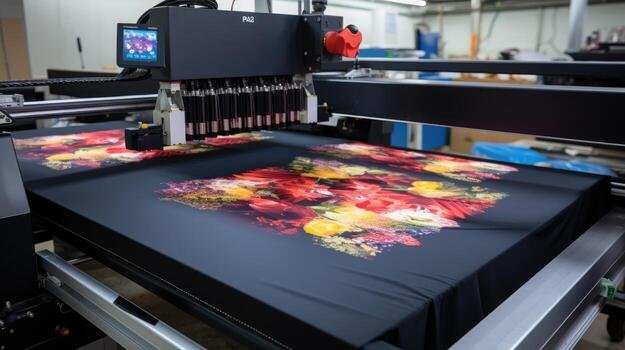
Expert Advice for Achieving Optimal Print Results
Professionals working with wool and mohair recommend several best practices to ensure high-quality, durable prints:
- Test First: Always conduct a test print on a fabric swatch to check for color accuracy, ink absorption, and any adverse reactions.
- Control Temperature: Use the lowest effective temperature for curing or fixing dyes to prevent shrinkage or felting.
- Use Proper Fixatives: Apply fixatives or mordants suitable for protein fibers to enhance dye bonding and wash fastness.
- Handle with Care: Minimize handling during and after printing to avoid stretching or distorting the fabric.
- Gentle Washing: After printing, wash the fabric gently using cool water and a mild detergent to remove any unfixed dye.
These steps help maintain the integrity of the fibers and ensure that the printed design remains vibrant and soft to the touch.
Common Challenges and How to Overcome Them
Printing on wool and mohair can present several challenges, but with the right approach, these can be managed effectively:
| Challenge | Solution |
|---|---|
| Color Bleeding | Use pre-treatments and proper fixatives to lock in dyes. |
| Fabric Shrinkage | Control temperature and avoid excessive agitation during washing and curing. |
| Loss of Softness | Choose water-based inks and avoid heavy ink layers. |
| Print Fading | Use dyes formulated for protein fibers and follow recommended curing times. |
Integrating Printing into Fashion and Textile Production
For designers and brands looking to incorporate printed wool and mohair into their collections, it’s important to align printing techniques with overall production goals. Consider factors such as scale, design complexity, and end-use. For those interested in the broader context of textile innovation, the article on what is the future of smart textiles and printing provides valuable insights into emerging trends and technologies.
By mastering the nuances of printing on these luxury fibers, you can expand your creative possibilities and offer unique products that appeal to discerning customers.
Frequently Asked Questions
What is the best printing method for wool and mohair?
Digital textile printing with reactive or acid dyes is generally the most effective method for wool and mohair. It offers precise control, vibrant colors, and minimal risk of fiber damage when handled correctly. Screen printing with water-based inks is also a viable option for certain designs.
How can I prevent shrinkage or felting during the printing process?
To avoid shrinkage or felting, always use low temperatures during curing and avoid excessive agitation. Pre-wash the fabric gently, air-dry flat, and handle the material with care throughout the process.
Are there special inks or dyes required for printing on wool and mohair?
Yes, it is essential to use inks or dyes specifically formulated for protein fibers. Reactive and acid dyes are most suitable, as they bond well with wool and mohair, ensuring vibrant, long-lasting prints without compromising fabric softness.
Conclusion
Working with wool and mohair in textile printing demands attention to detail, the right materials, and a careful approach. By following the professional techniques outlined in this guide, including thoughtful preparation, method selection, and post-print care, you can achieve outstanding results on these premium fibers. For those interested in expanding their expertise, learning about how to use digital printing for fashion trend forecasting can further enhance your understanding of the possibilities in modern textile design.