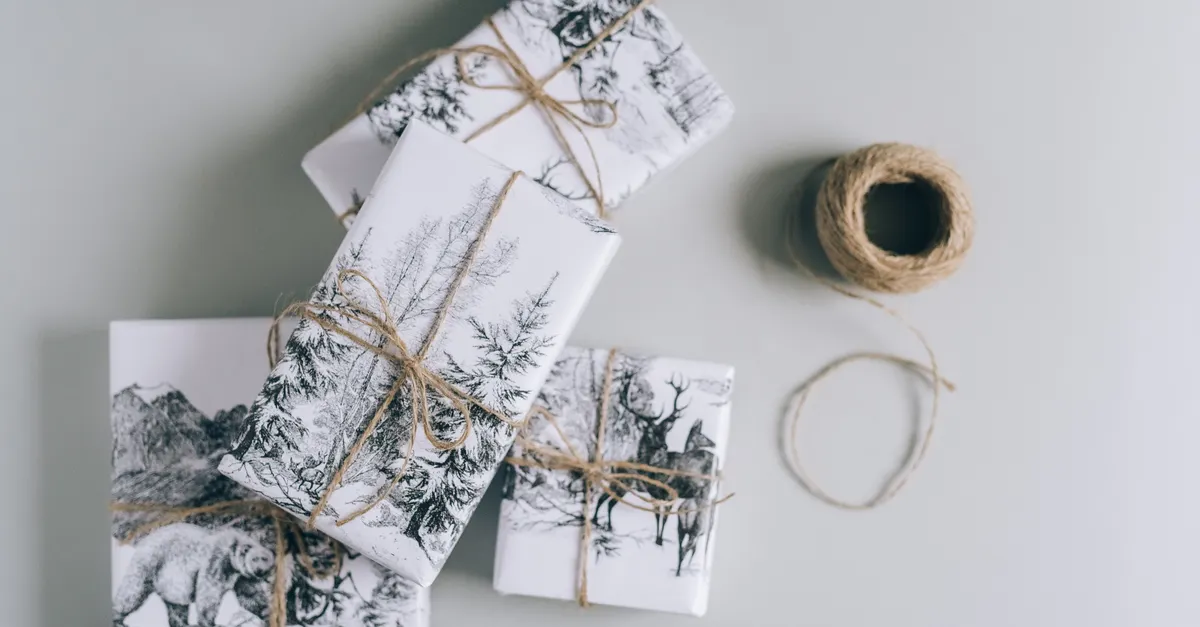
Personalized gifts have become increasingly popular, and one technology making this possible is sublimation printing for custom gifts. This method allows for vibrant, long-lasting designs on everything from mugs to t-shirts, making it a favorite among crafters and small businesses. If you’re interested in creating unique, professional-quality presents, understanding the process, equipment, and creative possibilities of sublimation printing is essential. This guide covers the essentials, from choosing the right printer to troubleshooting common issues, so you can confidently start your own custom gift projects.
What Makes Sublimation Printing Unique?
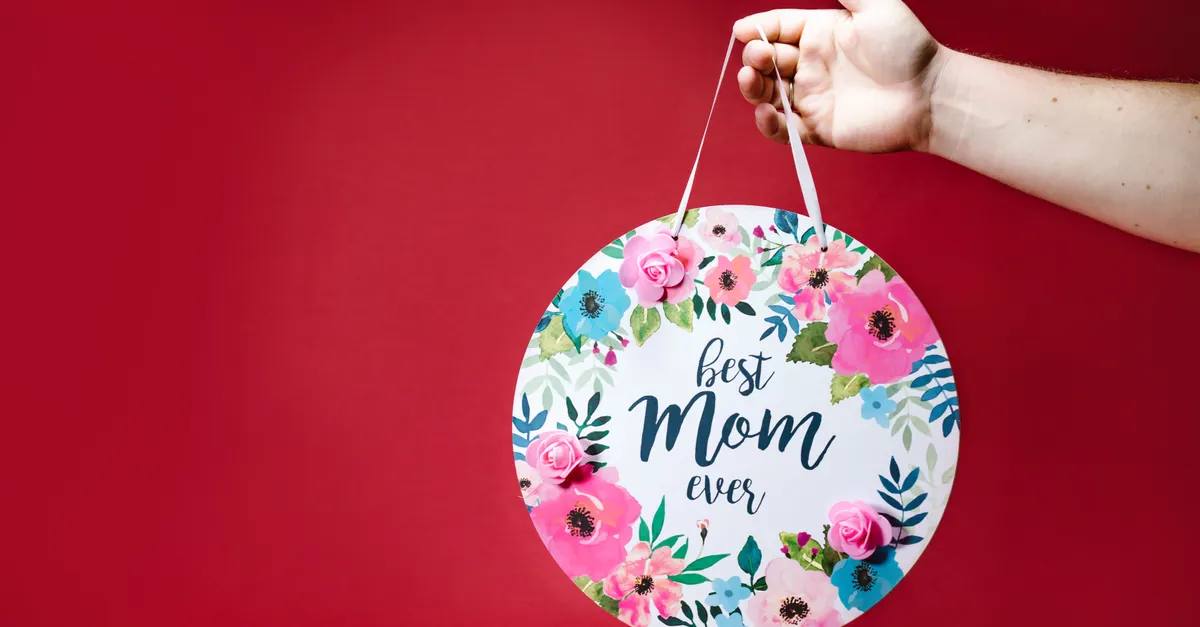
Sublimation printing is a digital process that uses heat to transfer dye onto various materials, such as polyester fabrics, ceramics, and specially coated items. Unlike traditional printing, where ink sits on the surface, sublimation dye becomes part of the material itself. This results in images that are not only bright and detailed but also highly durable and resistant to fading or cracking.
The popularity of this technique for custom gifts comes from its ability to produce full-color, photo-quality images that last. Whether you’re making a one-of-a-kind mug or a personalized shirt, the results are professional and eye-catching.
How Sublimation Printing Technology Works
At the heart of sublimation printing for custom gifts is a process called dye sublimation. Here’s how it works:
- A special sublimation printer uses heat-sensitive inks to print your design onto transfer paper.
- The printed transfer is placed onto the blank item (such as a mug or t-shirt).
- Using a heat press, high temperatures (typically between 350°F and 400°F) are applied. The heat turns the solid dye on the paper directly into a gas, which then penetrates the surface of the blank.
- As the item cools, the dye returns to a solid state, now embedded within the material.
This process results in bright, long-lasting images that are resistant to washing and wear. Because the dye bonds at the molecular level, the finished product feels smooth and the design won’t peel or crack over time.
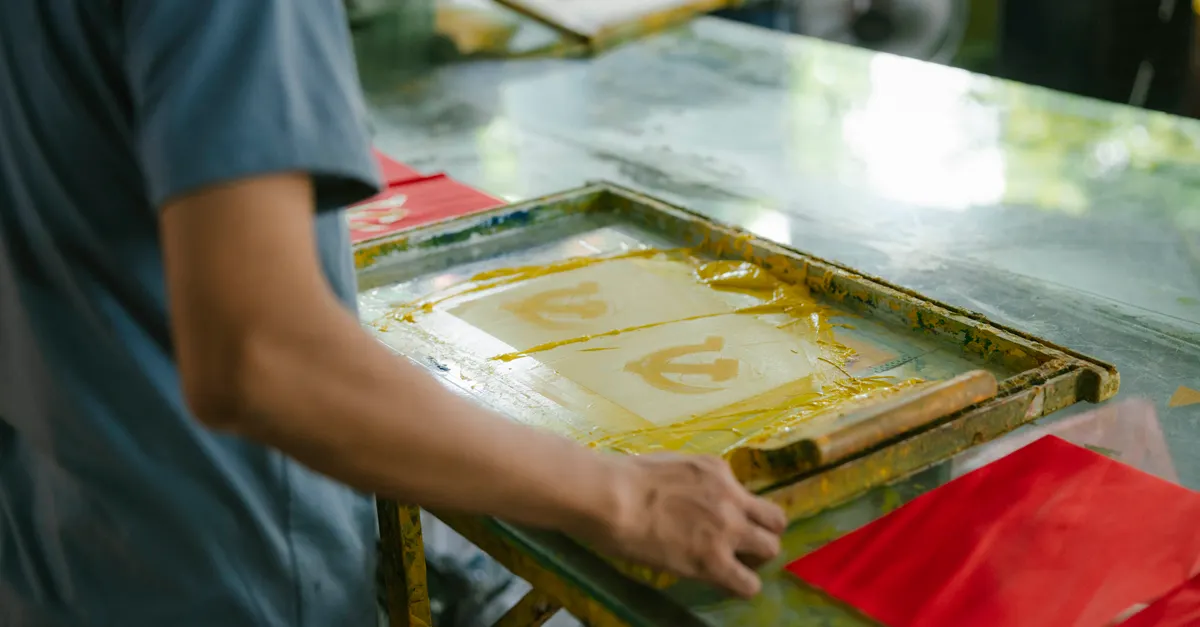
Compared to other printing methods, such as screen printing or vinyl transfers, sublimation stands out for its ability to reproduce complex, full-color images with photographic quality and no noticeable texture.
Picking the Best Sublimation Printer for Your Needs
Selecting the right printer is a crucial step in achieving high-quality results. Not all printers are suitable for sublimation, so here’s what to consider:
- Print Size: Think about the largest item you plan to print. Some printers are limited to standard paper sizes, while others can handle larger formats.
- Resolution: Higher resolution means sharper, more detailed images. Look for printers that offer at least 600 x 600 dpi for crisp results.
- Material Compatibility: Make sure your printer works with the types of blanks you want to use, such as fabrics, ceramics, or metals.
- Ink System: Dedicated sublimation printers, like those from Sawgrass, are designed specifically for this process and use special dye-sub inks. Some crafters convert inkjet printers for sublimation, but this can void warranties and may not deliver consistent results.
When comparing options, consider your budget and the volume of printing you expect to do. Entry-level models are suitable for hobbyists, while higher-end printers are better for small businesses or frequent use. For more information on apparel-specific options, you might find sublimation printing for custom apparel helpful as well.
Choosing the Right Materials and Blanks
The success of your sublimation projects depends not only on your printer but also on the materials you use. Sublimation works best on items with a high polyester content or those coated with a special polymer layer. Here are some of the most popular blanks:
- Apparel: T-shirts, hoodies, and socks made from at least 65% polyester.
- Drinkware: Mugs, tumblers, and water bottles with a sublimation coating.
- Home Decor: Pillowcases, coasters, and photo panels.
- Accessories: Keychains, phone cases, mouse pads, and tote bags.
When selecting blanks, always check that they are labeled as “sublimation-ready” or “sublimation blanks.” Using the wrong material can result in faded images or designs that wash away.
A Step-by-Step Guide to the Sublimation Printing Process
Getting started with sublimation printing for custom gifts involves several key steps. Here’s a detailed walkthrough:
- Design Creation: Use graphic editing software (such as Adobe Photoshop, CorelDRAW, or free alternatives like GIMP) to create or customize your design. Remember to mirror the image before printing, especially for text.
- Printing the Transfer: Print your mirrored design onto sublimation transfer paper using your dedicated sublimation printer and dye-sub inks. Ensure you select the correct print settings for color accuracy.
- Preparing the Blank: Make sure your blank item is clean and free of dust or oils. For apparel, lint roll the surface; for mugs, wipe with a lint-free cloth.
- Positioning the Transfer: Place the printed transfer paper face-down on the blank. Secure it with heat-resistant tape to prevent shifting.
- Heat Pressing: Set your heat press to the recommended temperature and time for your material (e.g., 400°F for 60 seconds for most mugs). Apply firm, even pressure.
- Cooling and Finishing: Carefully remove the transfer paper while the item is still warm. Allow the item to cool completely before handling or packaging.
Each material may have specific heat and time requirements, so always check the manufacturer’s instructions for best results. For a deeper dive into the technical side, you can explore the sublimation printing process in more detail.
Creative Custom Gift Ideas Using Sublimation
One of the biggest advantages of sublimation is its versatility. Here are some creative ways to use this technology for personalized presents:
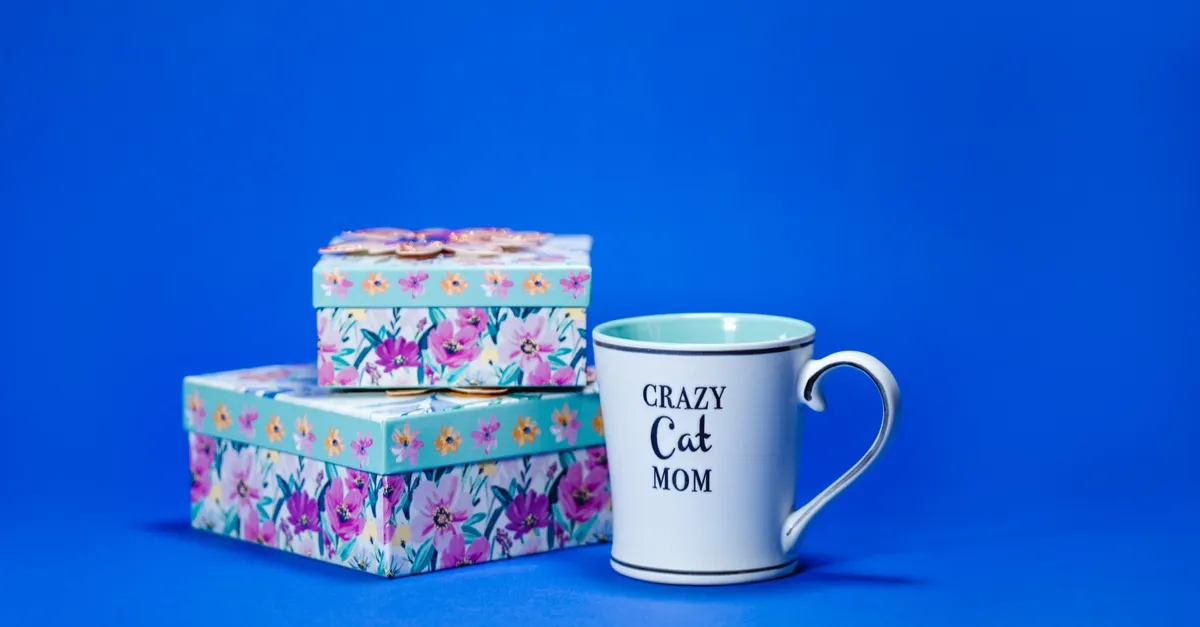
- Photo Mugs: Add family photos, inspirational quotes, or custom artwork to coffee mugs for memorable gifts.
- Personalized Apparel: Design t-shirts or socks with names, logos, or special messages for birthdays, reunions, or team events.
- Home Decor: Create custom pillowcases, wall art, or coasters featuring favorite images or patterns.
- Holiday Ornaments: Make festive decorations with photos or holiday greetings.
- Business Gifts: Produce branded items like mouse pads or keychains for corporate events or client appreciation.
The possibilities are nearly endless, limited only by your imagination and the range of blanks available. Experiment with different materials and designs to create gifts that truly stand out.
Solving Common Sublimation Printing Challenges
While sublimation printing for custom gifts is straightforward, beginners may encounter some common issues. Here’s how to address them:
- Faded or Dull Colors: This can result from using the wrong blanks, insufficient heat, or expired inks. Always use high-quality, compatible materials and check your heat press settings.
- Ghosting or Blurry Images: If the transfer paper shifts during pressing, you may see a shadow effect. Secure the paper firmly with heat-resistant tape and avoid moving the blank until it cools.
- Uneven Transfers: Inconsistent pressure or temperature can cause patchy results. Ensure your heat press is calibrated and apply even pressure across the surface.
- Incorrect Colors: Color management can be tricky. Use ICC profiles provided by your ink or printer manufacturer and regularly calibrate your monitor for accurate color previews.
With practice and attention to detail, most issues can be resolved quickly. Don’t hesitate to experiment and adjust your process as you gain experience.
Frequently Asked Questions
What materials are best for sublimation printing?
Sublimation works best on items made from polyester or those coated with a polymer layer. Common choices include polyester apparel, ceramic mugs, and specially coated metal or plastic blanks.
Can I use any printer for sublimation?
No, you need a printer that is either designed for sublimation or has been converted for this purpose. Dedicated sublimation printers use special dye-sub inks and are optimized for the process.
How do I prevent colors from fading over time?
Use high-quality sublimation inks, compatible blanks, and follow recommended heat press settings. Properly applied sublimation prints are highly resistant to fading, even after repeated washing or exposure to sunlight.
Conclusion
Sublimation printing offers a powerful way to create personalized, professional-quality gifts that last. By understanding the technology, selecting the right equipment and materials, and following a clear process, anyone can produce vibrant, custom items for any occasion. Whether you’re crafting for fun or starting a small business, the possibilities with this technique are both broad and rewarding.