Custom clothing has become a popular way for individuals and businesses to express creativity, promote brands, and celebrate special occasions. Among the many techniques available, sublimation printing for custom apparel stands out for its ability to produce vibrant, long-lasting designs on garments. Whether you’re a hobbyist looking to personalize T-shirts or a business aiming to offer unique merchandise, understanding this method can help you achieve professional results and avoid common pitfalls.
How Sublimation Printing Works for Custom Clothing
At its core, sublimation printing is a process that uses heat to transfer dye onto materials such as polyester fabrics. The method begins with printing a design onto special sublimation paper using sublimation inks. Once the design is ready, it is placed on the garment and subjected to high temperatures using a heat press. The heat causes the ink to turn into a gas, which then penetrates the fibers of the fabric, creating a permanent, full-color image that won’t crack or peel over time.
To get started with this technique, you’ll need several key pieces of equipment and materials:
- Sublimation printer: Designed specifically for use with sublimation inks.
- Sublimation paper: Specially coated paper that holds the ink until it is transferred.
- Heat press: Provides the consistent, high temperatures required for the transfer process.
- Polyester garments: Fabrics with a high polyester content (ideally 100%) are essential for optimal results.
- Sublimation inks: These inks are formulated to turn into gas under heat and bond with polyester fibers.
The process is straightforward but requires attention to detail for best results. Here’s a step-by-step guide:
- Design Creation: Use graphic design software to create or select your artwork. Make sure the colors are set to CMYK for accurate reproduction.
- Printing: Print the design in reverse (mirror image) onto the sublimation paper using the sublimation printer.
- Preparation: Place the garment on the heat press, ensuring it is clean and wrinkle-free. Position the printed sublimation paper face-down on the desired area.
- Heat Transfer: Close the heat press and apply the recommended temperature (typically around 400°F or 204°C) and pressure for the specified time (usually 30-60 seconds).
- Finishing: Carefully remove the paper and allow the garment to cool. The design is now permanently embedded in the fabric.
This method creates a seamless, soft-to-the-touch image that becomes part of the garment itself, rather than sitting on top of the fabric.
Comparing Sublimation and DTF Printing Methods
When exploring options for decorating apparel, many people compare sublimation printing with DTF (Direct-to-Film) printing. Both techniques have their strengths and ideal use cases, but they differ significantly in process and results.
Sublimation printing is best suited for white or light-colored polyester fabrics. The dye bonds with the fibers, resulting in vivid, durable images that do not fade, crack, or peel. However, this method does not work well on cotton or dark-colored garments, as the dye needs polyester to bond and the colors are not opaque enough to show up on dark backgrounds.
DTF printing, on the other hand, involves printing designs onto a special film, applying a powder adhesive, and then transferring the design to the garment using heat. Unlike sublimation, DTF can be used on a wider range of fabrics, including cotton, polyester, blends, and even dark-colored garments. The prints are vibrant and flexible, but they sit on top of the fabric, which can sometimes result in a different feel compared to the soft finish of sublimation.
| Feature | Sublimation Printing | DTF Printing |
|---|---|---|
| Suitable Fabrics | Polyester, light colors | Polyester, cotton, blends, all colors |
| Design Durability | Permanent, no cracking or peeling | Durable, but sits on fabric surface |
| Color Vibrancy | Extremely vibrant on white/light polyester | Vibrant on all colors |
| Feel | Soft, part of the fabric | Slightly raised, can be felt |
| Setup Complexity | Requires polyester garments and heat press | Requires film, powder adhesive, heat press |
Choosing between these methods depends on your specific needs. If you want a soft, long-lasting image on polyester apparel, sublimation is ideal. For versatility across fabric types and colors, DTF may be a better fit.
Advantages of Sublimation Printing for Personalized Apparel
There are several reasons why many creators and businesses prefer sublimation printing for custom apparel:
- Vibrant, Full-Color Designs: The process allows for photo-quality images and intricate details, making it perfect for complex designs.
- Durability: The dye becomes part of the fabric, resulting in prints that withstand repeated washing without fading or cracking.
- Soft Feel: Since the ink penetrates the fibers, the garment remains soft and breathable, with no heavy or rubbery texture.
- Design Flexibility: Perfect for all-over prints, gradients, and designs that require seamless coverage.
- Cost-Effective for Small Runs: Ideal for short production runs or one-off items, as there are no screens or plates to set up.
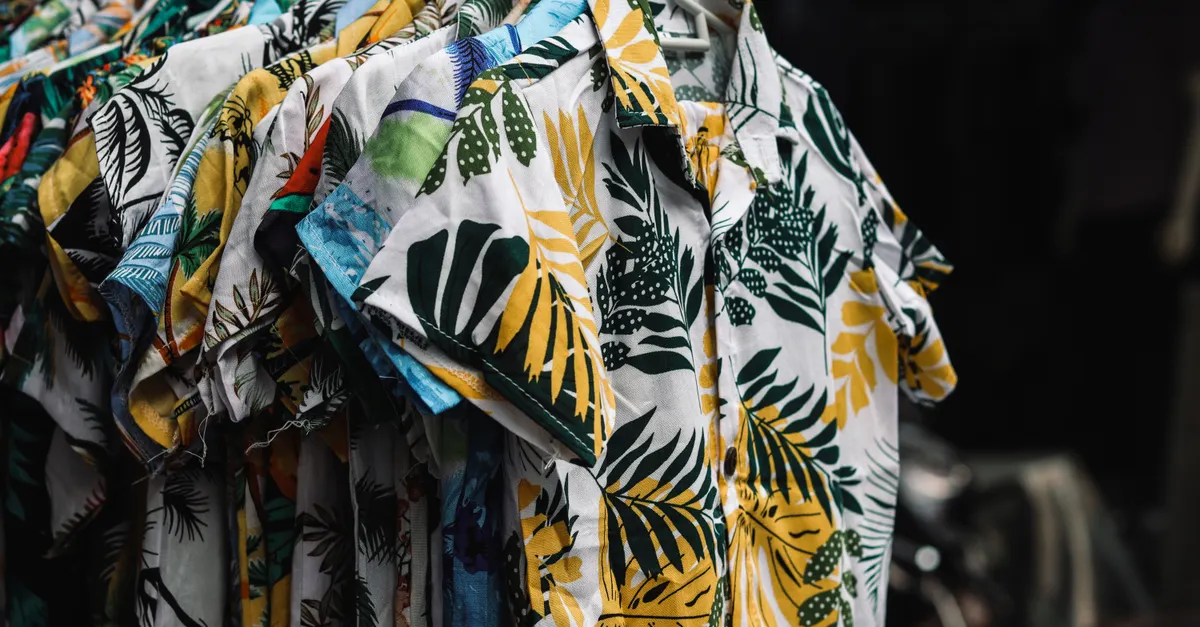
These benefits make sublimation an excellent choice for sportswear, promotional shirts, team uniforms, and personalized gifts. For more inspiration on creative artwork, you can explore tips for sublimation printing designs that stand out on apparel and other items.
Common Issues and Solutions in the Sublimation Process
While sublimation printing offers many advantages, beginners and even experienced users can encounter challenges. Here are some typical problems and practical solutions:
- Blurry or Faded Prints: This can result from insufficient heat, low-quality sublimation paper, or using garments with too little polyester content. Always use the recommended temperature and pressure settings, and ensure your fabric is at least 65% polyester for best results.
- Ghosting or Double Images: If the paper shifts during pressing, the design may appear doubled. To prevent this, secure the paper with heat-resistant tape and avoid moving the garment until it cools.
- Uneven Colors: Wrinkles or moisture in the fabric can cause patchy transfers. Pre-press garments to remove moisture and wrinkles before applying the design.
- Color Mismatch: Sublimation inks can look different on paper than on fabric. Always test your color profiles and adjust your designs as needed.
By understanding these common issues and how to address them, you can achieve consistently high-quality results and minimize wasted materials.
Frequently Asked Questions
What types of fabrics work best with sublimation printing?
Sublimation works best on garments made of 100% polyester or high polyester blends. The process relies on the dye bonding with polyester fibers, so natural fibers like cotton will not yield vibrant or durable results.
Can I use sublimation printing on dark-colored shirts?
This method is most effective on white or light-colored fabrics. Since the inks are translucent, they do not show up well on dark backgrounds. For dark garments, consider using DTF or other printing methods.
How does sublimation printing compare to screen printing?
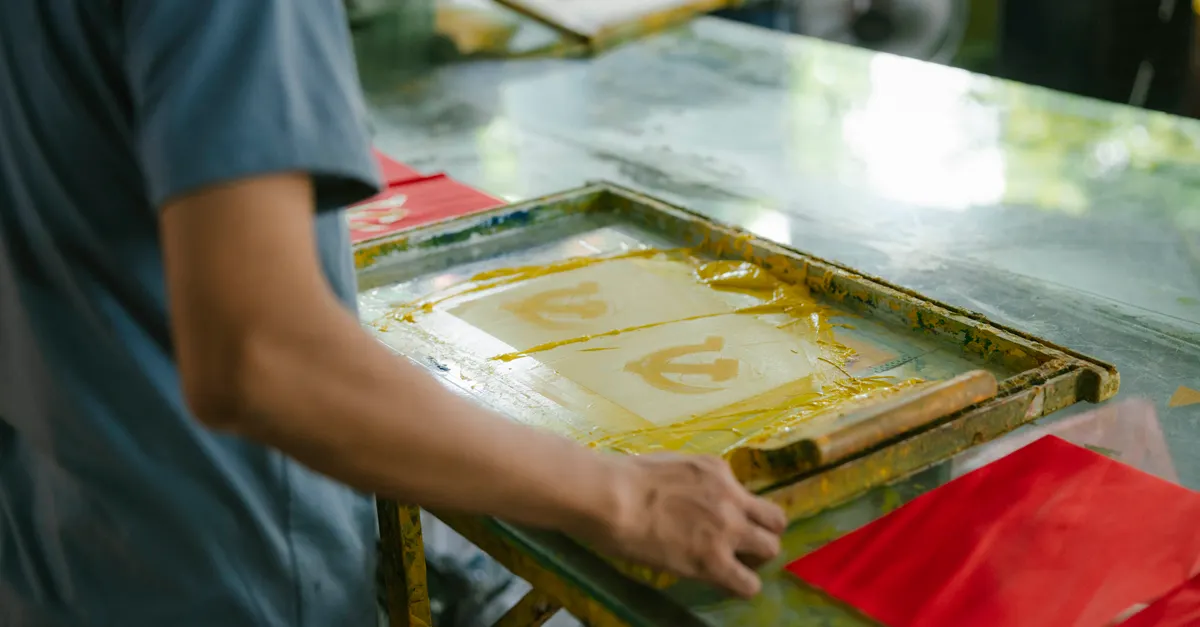
Sublimation offers full-color, photo-quality prints and is ideal for small runs or detailed designs. Screen printing is better for large quantities and simple graphics, especially on cotton fabrics, but is less suited for intricate or multi-color images.
Conclusion
Sublimation printing offers a powerful way to create vibrant, durable, and comfortable custom apparel. By understanding the process, choosing the right materials, and being aware of potential challenges, you can produce professional-quality garments that stand out. Whether you’re designing for personal use, a sports team, or a business, this technique provides flexibility and quality that’s hard to match. With a little practice and attention to detail, anyone can master the art of creating unique clothing using this innovative printing method.