The sublimation printing process has become increasingly popular for producing vibrant, durable prints on a wide range of products. Whether you’re interested in customizing apparel, promotional items, or home décor, understanding how this method works can help you achieve professional results and make informed choices about your printing needs. This guide explores each step of the process, the equipment involved, its unique advantages, potential limitations, and how it compares to other common printing techniques.
What Is Sublimation Printing?
Sublimation printing is a digital technique that uses heat to transfer dye onto materials such as polyester fabrics, ceramics, and coated metals. Unlike traditional printing methods that apply ink on the surface, sublimation causes the ink to become part of the substrate through a chemical process. This results in prints that are both vibrant and long-lasting, making the method especially popular in the textile, promotional, and personalization industries.
The process is valued for its ability to produce full-color, photo-quality images that resist fading and cracking. It is commonly used for custom t-shirts, mugs, mouse pads, banners, and more. Because the dye bonds at a molecular level with the substrate, the final product feels smooth to the touch and maintains its color even after repeated washing or exposure to sunlight.
Step-by-Step Overview of the Sublimation Printing Process
To achieve high-quality results, it’s important to follow each stage of the sublimation printing process carefully. Here’s a breakdown of the typical workflow:
- Design Creation: Start by creating or selecting a digital design using graphic design software. The design should be sized to fit the intended substrate and saved in a compatible format, such as PNG or JPEG.
- Printing the Transfer: The design is printed in reverse (mirrored) onto special sublimation transfer paper using a printer equipped with sublimation ink. This ink is formulated to turn into gas when heated, which is key to the process.
- Preparing the Substrate: The item to be printed—often a polyester garment or a specially coated hard surface—should be clean and free of lint or dust. Proper preparation ensures maximum ink absorption and image clarity.
- Heat Press Transfer: The printed transfer paper is placed face-down on the substrate. A heat press applies consistent heat (typically between 350°F and 400°F) and pressure for a set amount of time, usually 30–60 seconds. During this stage, the solid dye on the paper sublimates (turns into gas) and bonds with the fibers or coating of the substrate.
- Cooling and Finishing: After pressing, the transfer paper is removed, revealing the final image. The substrate is allowed to cool, and the print is now permanent and ready for use.
Key equipment and materials required for this process include:
- Sublimation printer (compatible with sublimation inks)
- Sublimation inks
- Sublimation transfer paper
- Heat press (with adjustable temperature and pressure)
- Polyester or polymer-coated substrates
- Protective sheets or Teflon covers (to prevent ink bleed and protect the press)
For those interested in optimizing color accuracy, exploring sublimation printing color profiles can help ensure consistent and vibrant results across different projects.
Benefits of the Sublimation Printing Method
There are several reasons why the sublimation printing process stands out among other printing techniques:
- Exceptional Durability: Because the dye becomes part of the material, prints are highly resistant to fading, cracking, or peeling—even after multiple washes or prolonged use.
- Vivid, Full-Color Images: Sublimation allows for photo-quality, full-spectrum color reproduction, making it ideal for designs with gradients, fine details, or photographic elements.
- Soft, Breathable Finish: On fabrics, the print does not add any noticeable texture or weight, maintaining the original feel and breathability of the garment.
- Versatility: The process works on a wide range of products, from apparel and accessories to mugs, tiles, and signage—provided the substrate is polyester-based or has a special polymer coating.
- Low Minimums and Fast Turnaround: As a digital process, sublimation is well-suited for short runs, one-offs, or personalized items, without the setup costs associated with screen printing.
Compared to screen printing, heat transfer vinyl (HTV), and direct-to-garment (DTG) printing, sublimation offers a unique combination of durability and image quality. The design becomes part of the substrate, resulting in prints that last as long as the material itself.
Potential Drawbacks and Limitations
While the sublimation printing process offers many advantages, it is important to be aware of its limitations:
- Material Restrictions: Sublimation only works on polyester fabrics or items with a polymer coating. Natural fibers like cotton cannot be used, as the dye will not bond properly.
- Color Limitations: The process is most effective on white or light-colored substrates. Because sublimation dyes are translucent, they do not show up well on dark materials.
- Initial Equipment Cost: Investing in a dedicated sublimation printer, heat press, and compatible supplies can be costly for beginners or small businesses.
- Potential for Ghosting or Blurring: If the transfer paper shifts during pressing, it can cause ghosting (a faint duplicate image) or blurred results. Careful handling and proper technique are essential.
- Environmental Considerations: As with any printing process, there is some waste generated from transfer papers and misprints. Efficient workflow and careful planning can help reduce waste; for broader strategies, see resources on reducing waste in the fabric printing process.
How Sublimation Printing Compares to Other Methods
Choosing the right printing technique depends on your project’s requirements, budget, and desired outcome. Here’s a closer look at how sublimation stacks up against other popular methods:
Sublimation vs. Screen Printing
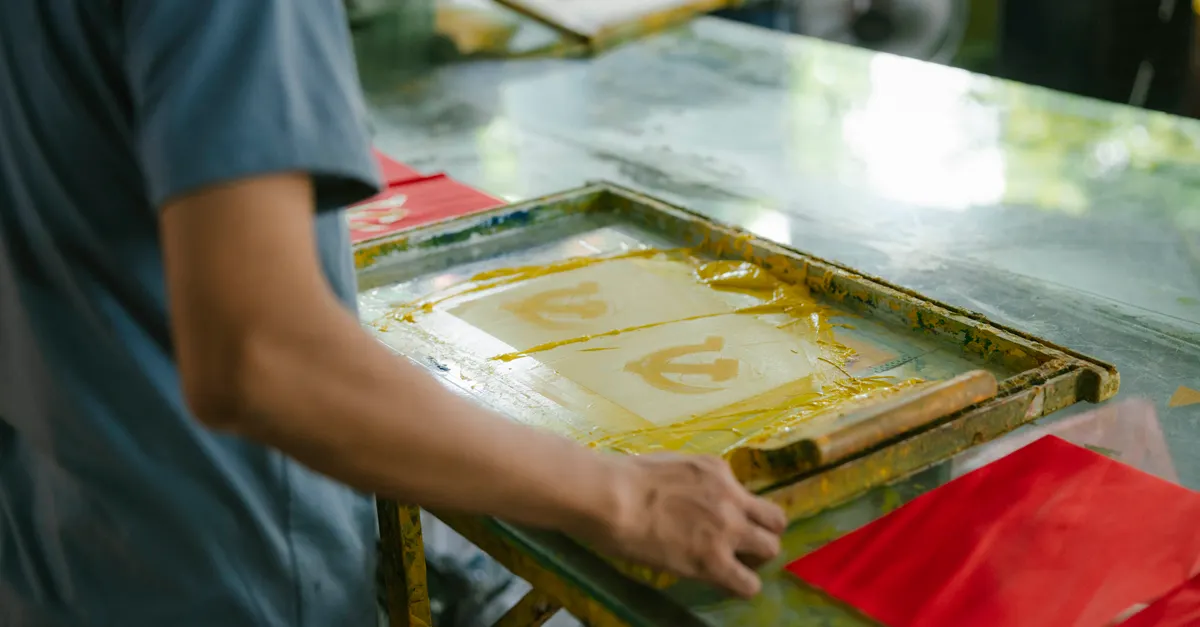
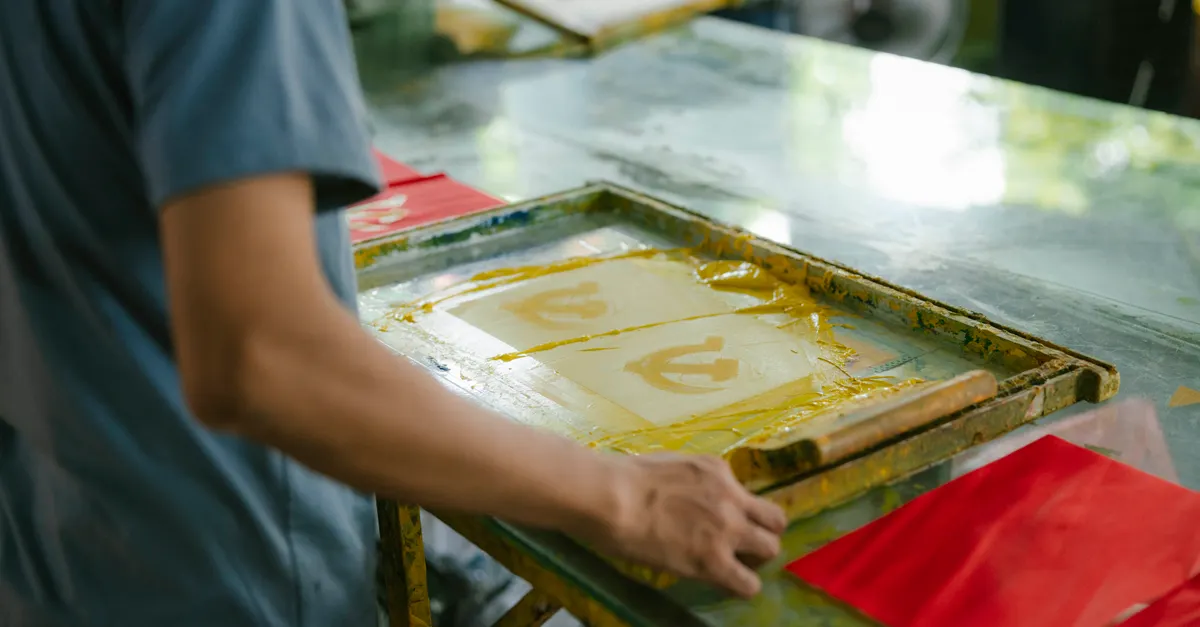
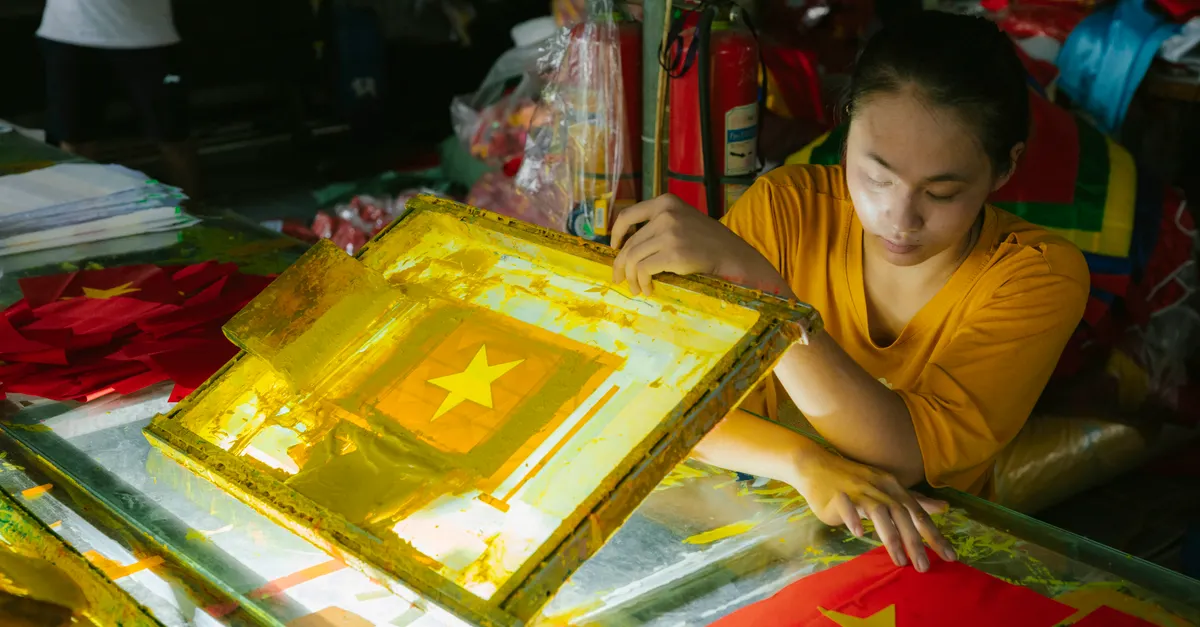
- Screen Printing: Involves pushing ink through a mesh stencil onto the substrate. It is best suited for bold, simple designs and large production runs. Screen printing works on a variety of materials, including cotton, but is less effective for complex, multi-color, or photographic images.
- Sublimation: Excels at detailed, full-color images and is ideal for small runs or custom items. However, it is limited to polyester or polymer-coated substrates.
- Durability: Sublimation prints are generally more durable, as the dye becomes part of the material, whereas screen prints can crack or fade over time.
Sublimation vs. DTG (Direct-to-Garment) Printing
- DTG Printing: Uses inkjet technology to print directly onto garments, including cotton. It is suitable for short runs and detailed images but can result in a heavier print feel on the fabric.
- Sublimation: Produces a softer, more breathable finish but is limited to polyester-based materials.
- Color and Durability: Both methods offer high-quality, full-color prints, but sublimation typically provides greater wash resistance and longevity.
Sublimation vs. Heat Transfer Vinyl (HTV)
- HTV: Involves cutting designs from colored vinyl sheets and heat pressing them onto garments. HTV is versatile and works on various fabrics but is less suitable for detailed or photographic images.
- Sublimation: Allows for intricate, multi-color designs with no added texture, but is limited to light polyester substrates.
In summary, the sublimation printing process is best for projects requiring vibrant, durable, and detailed images on polyester or polymer-coated items. For printing on cotton or dark fabrics, or for very large runs of simple designs, other methods may be more appropriate.
Conclusion
Mastering the sublimation printing process opens up a world of creative possibilities for producing high-quality, long-lasting prints on a variety of products. By understanding the step-by-step workflow, necessary equipment, and the advantages and limitations of this method, you can make informed decisions for your business or personal projects. Comparing sublimation with screen printing, DTG, and HTV highlights its unique strengths—especially for full-color, durable, and custom applications. As technology and materials continue to evolve, sublimation remains a valuable tool for anyone seeking professional, vibrant results in the world of digital printing.
Frequently Asked Questions
What materials can be used with sublimation printing?
Sublimation printing works best on polyester fabrics or items coated with a polymer layer. It is not suitable for natural fibers like cotton, as the dye will not bond properly to the material.
Is sublimation printing suitable for dark-colored garments?
No, sublimation dyes are translucent and work best on white or light-colored substrates. The process is not effective on dark materials, as the underlying color will show through and affect the final image.
How does the durability of sublimation prints compare to other methods?
Sublimation prints are highly durable because the dye becomes part of the substrate. This makes them more resistant to fading, cracking, or peeling compared to screen printing, HTV, or DTG prints.