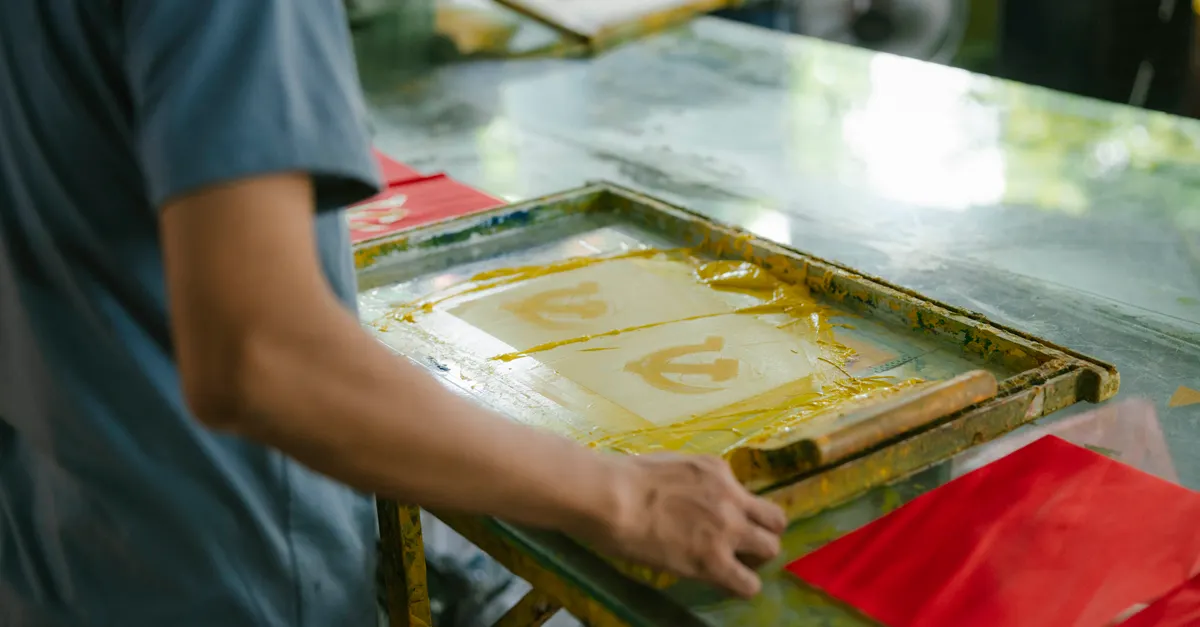
As businesses become more conscious of their environmental impact, the demand for eco-friendly business cards has grown significantly. These sustainable alternatives not only help reduce waste and resource consumption, but also send a clear message about a company’s commitment to responsible practices. Whether you are a freelancer, a startup, or an established brand, adopting greener options for your business cards can make a positive impression on clients and partners while supporting the planet.

Understanding Sustainable Business Cards
Sustainable business cards are designed and produced with the environment in mind. Unlike traditional cards, which often use virgin paper, plastic coatings, and chemical-heavy inks, these alternatives focus on minimizing environmental harm at every stage. By choosing materials and processes that are less resource-intensive and more biodegradable, companies can reduce their ecological footprint and align their branding with modern values.
The importance of making responsible choices in business collateral is growing. Customers and partners increasingly expect brands to demonstrate environmental responsibility, making the adoption of greener business cards not just a trend, but a strategic move for reputation and long-term success.
Choosing Materials for Eco-Friendly Business Cards
The foundation of any sustainable business card is the material it’s printed on. There are several options that stand out for their low environmental impact and unique textures:
- Recycled Paper: One of the most common choices, recycled paper uses post-consumer waste, reducing the need for new raw materials and diverting waste from landfills. Look for cards made from 100% recycled content for the greatest impact.
- Biodegradable Materials: Some cards are produced using materials like cotton, bamboo, or even hemp. These fibers are renewable, compostable, and often require fewer chemicals to process than wood pulp.
- Seed Paper: Plantable business cards are embedded with seeds. After use, recipients can plant the card in soil, where it will biodegrade and sprout flowers or herbs, leaving no waste behind.
- Recycled Cotton: Cotton offcuts from the textile industry can be repurposed into sturdy, textured cards. This not only reduces textile waste but also offers a premium feel.
- Alternative Fibers: Materials like straw, jute, or even elephant dung have been innovatively used to create unique, eco-friendly business cards. These alternatives highlight creativity and a strong commitment to sustainability.
Beyond the card stock, the choice of ink is crucial. Eco-friendly inks—such as those made from soy or vegetable bases—avoid the use of petroleum and heavy metals, making the finished product safer for both people and the environment. These inks also tend to be more easily removed during recycling, further supporting the circular economy.
Innovative Design Tips for Sustainable Cards
Material selection is just the beginning. The design process offers many opportunities to further reduce environmental impact and create memorable cards:
- Minimalist Layouts: Using less ink by opting for clean, simple designs not only looks modern but also conserves resources. Avoiding heavy backgrounds and large solid color blocks can make a big difference.
- Double-Sided Printing: Maximize the space by printing on both sides. This allows you to include all necessary information without increasing the size or thickness of the card.
- Smaller or Custom Shapes: Consider non-standard sizes or shapes that use less material. For example, square or rounded cards can be cut more efficiently from a sheet, reducing waste.
- Interactive Features: Add value by incorporating QR codes that link to digital portfolios, websites, or contact information. This reduces the need for excessive printed details and encourages digital engagement.
- Functional Designs: Think beyond the traditional card. Some eco-friendly business cards double as bookmarks, coasters, or even origami figures, extending their useful life and reducing the chance they’ll be discarded quickly.
- Uncoated Finishes: Skip plastic lamination or glossy coatings, which hinder recyclability. Opt for natural, uncoated finishes that feel organic and are fully biodegradable.
- Plantable and Embedded Features: As mentioned earlier, seed paper is a standout innovation. You can also embed wildflower seeds, herbs, or even microgreens for a memorable, living business card.
Innovative design not only supports sustainability but also helps your card stand out in a crowded marketplace. By combining thoughtful material choices with creative layouts and features, you can ensure your business card is both eco-conscious and memorable.
The Advantages of Sustainable Business Cards
Switching to environmentally friendly business cards offers a range of benefits that go beyond environmental stewardship:
- Enhanced Brand Image: Demonstrating a commitment to sustainability can improve your company’s reputation and attract like-minded clients or partners.
- Customer Loyalty: Consumers are increasingly loyal to brands that share their values. Using sustainable business cards can help foster trust and long-term relationships.
- Regulatory Compliance: As environmental regulations tighten in many regions, using greener materials and processes can help future-proof your business against new requirements.
- Cost Savings: While some eco-friendly options may have higher upfront costs, others—such as using less material or ink—can actually reduce expenses over time.
- Positive Environmental Impact: Every card produced with recycled or biodegradable materials helps reduce landfill waste, conserve resources, and lower greenhouse gas emissions.
Incorporating sustainable business cards into your branding strategy signals that your company is forward-thinking and responsible, which can set you apart in competitive markets.
Printing Options for Eco-Conscious Cards
Finding the right printer is essential for ensuring your business cards meet sustainability standards. Many print shops now offer green options, but it’s important to ask the right questions:
- Material Sourcing: Does the printer use certified recycled or sustainably sourced paper? Look for certifications like FSC (Forest Stewardship Council) or similar.
- Ink Choices: Are vegetable-based or soy inks available? These are less harmful than petroleum-based alternatives.
- Energy Use: Some printers operate with renewable energy or offset their carbon emissions, further reducing the environmental impact of your order.
- Waste Management: Ask about recycling and waste reduction practices in the printing process.
For those interested in a broader range of sustainable printing solutions, exploring eco-friendly printing solutions for marketing can provide additional ideas and resources for green business collateral.
Online print services specializing in sustainable products often provide detailed information about their materials and processes, making it easier to make informed choices. Local print shops may also offer eco-friendly options, and working with them can reduce shipping emissions.
Alternatives to Traditional Business Cards
While physical business cards remain popular, there are digital and hybrid alternatives that further reduce environmental impact:
- Digital Business Cards: Share your contact details via NFC-enabled cards, QR codes, or dedicated apps. These solutions eliminate paper waste entirely and can be updated easily.
- Email Signatures: Include all your essential information and branding in your email signature, ensuring every message you send acts as a virtual business card.
- Social Media Profiles: Direct contacts to your professional profiles on platforms like LinkedIn, which can serve as dynamic, always-current business cards.
For those who still prefer a tangible card, combining physical and digital methods—such as adding a QR code to a recycled paper card—can offer the best of both worlds.
Frequently Asked Questions
What types of recycled materials are best for sustainable business cards?
Recycled paper, especially post-consumer waste, is a top choice due to its availability and quality. Other excellent options include recycled cotton from textile offcuts and alternative fibers like bamboo or hemp, which are renewable and biodegradable.
How can I ensure the inks used are environmentally friendly?
Look for printers that offer soy-based or vegetable-based inks. These alternatives are less toxic and more biodegradable than traditional petroleum-based inks, making them safer for both people and the environment.
Are plantable business cards effective for networking?
Plantable cards are not only memorable but also demonstrate a strong commitment to sustainability. Recipients often appreciate the novelty and usefulness, making them more likely to remember your brand and message.
Conclusion
Adopting eco-friendly business cards is a practical and impactful way to align your branding with sustainable values. By choosing responsible materials, embracing innovative design ideas, and selecting printers that prioritize green practices, you can reduce your environmental footprint and make a lasting impression. As the business world continues to evolve, integrating sustainability into every touchpoint—including your business cards—will help you stand out and build trust with clients who value environmental responsibility.