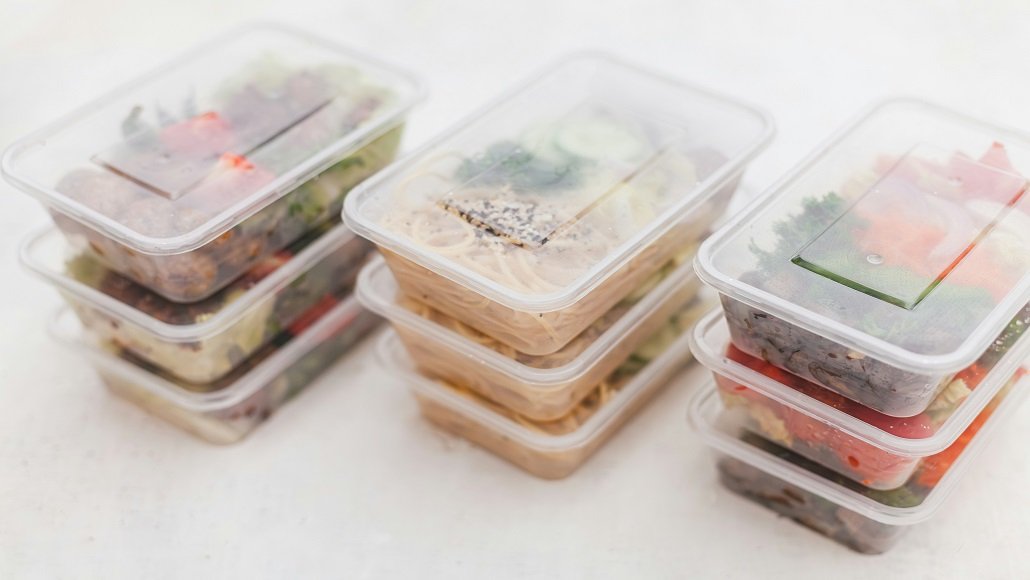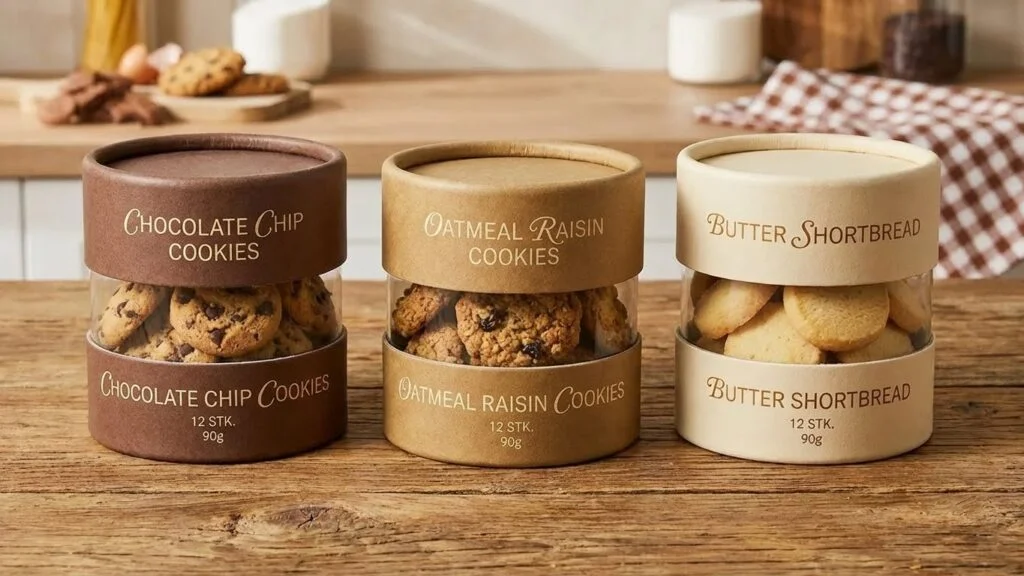
As the food industry evolves, the demand for packaging that ensures both safety and intelligence is on the rise. Smart food-safe packaging combines advanced materials, sensors, and design to protect food, extend shelf life, and provide valuable information to consumers and businesses. This article explores how these innovative solutions are changing the way we store, transport, and consume food products.
From bakery boxes to takeout containers, the integration of technology into packaging is transforming food safety standards. If you’re interested in how similar advancements are shaping other industries, you might find insights in what is the future of smart textiles and printing, which discusses the intersection of smart materials and modern manufacturing.
What Makes Packaging Both Smart and Food-Safe?
Traditional packaging focuses on protecting food from contamination and physical damage. However, smart food-safe packaging goes further by incorporating technologies that monitor, communicate, and even react to changes in the food environment. These solutions use a combination of food-grade materials and embedded features to ensure both safety and functionality.
Key characteristics include:
- Food safety compliance: Materials are certified for direct contact with food and free from harmful chemicals.
- Active and intelligent features: Sensors, indicators, or coatings that detect spoilage, temperature changes, or tampering.
- Traceability: QR codes or RFID tags that provide supply chain transparency and product information.
- Sustainability: Many solutions use recyclable or biodegradable materials to reduce environmental impact.
Types of Smart Features in Modern Food Packaging
There are two main categories of smart packaging used for food: active and intelligent. Each offers unique benefits for food safety and quality assurance.
Active Packaging
Active packaging interacts with the food or its environment to extend freshness and safety. Examples include:
- Oxygen scavengers: Absorb oxygen to slow spoilage and prevent mold growth.
- Moisture regulators: Control humidity inside the package to maintain texture and prevent bacterial growth.
- Antimicrobial coatings: Inhibit the growth of harmful microorganisms on the packaging surface.
Intelligent Packaging
Intelligent solutions provide real-time information about the condition of the food. Common features are:
- Time-temperature indicators: Change color if the product has been exposed to unsafe temperatures.
- Freshness sensors: Detect gases released by spoilage and alert consumers to food quality.
- Digital tracking: QR codes or RFID chips that allow consumers and retailers to access product history and authenticity details.
For a deeper dive into the science behind these innovations, the scientific review of smart packaging technologies provides comprehensive research on their effectiveness and safety.
Benefits of Smart Food-Safe Packaging for Consumers and Businesses
The adoption of advanced packaging solutions delivers significant advantages throughout the food supply chain:
- Enhanced food safety: Real-time monitoring helps prevent the sale and consumption of spoiled or contaminated products.
- Reduced food waste: By accurately indicating freshness, these packages help consumers make informed decisions, reducing unnecessary disposal.
- Supply chain transparency: Digital features improve traceability, helping brands build trust and meet regulatory requirements.
- Brand differentiation: Innovative packaging can set products apart on crowded shelves, appealing to health-conscious and tech-savvy shoppers.
Common Materials Used in Food-Safe Smart Packaging
Material selection is crucial for both safety and functionality. The most widely used options include:
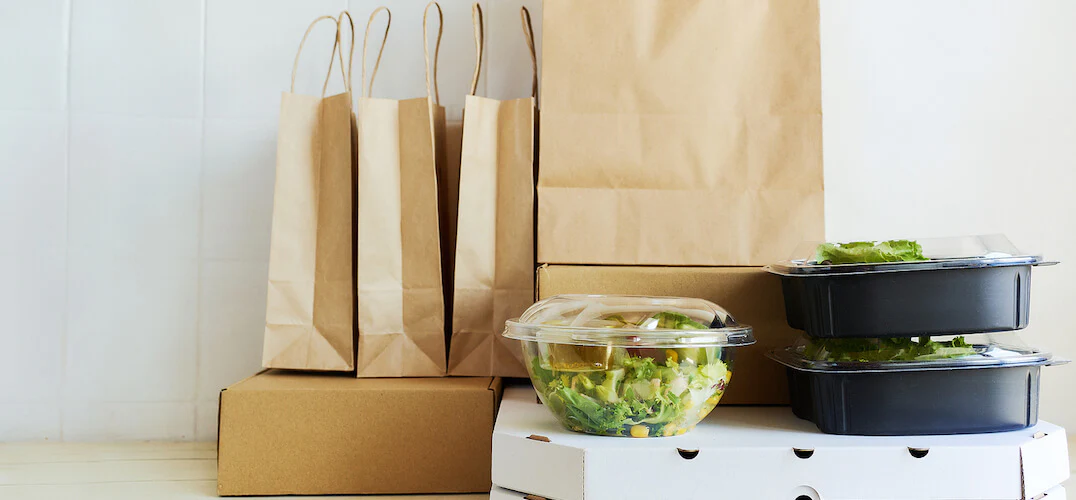
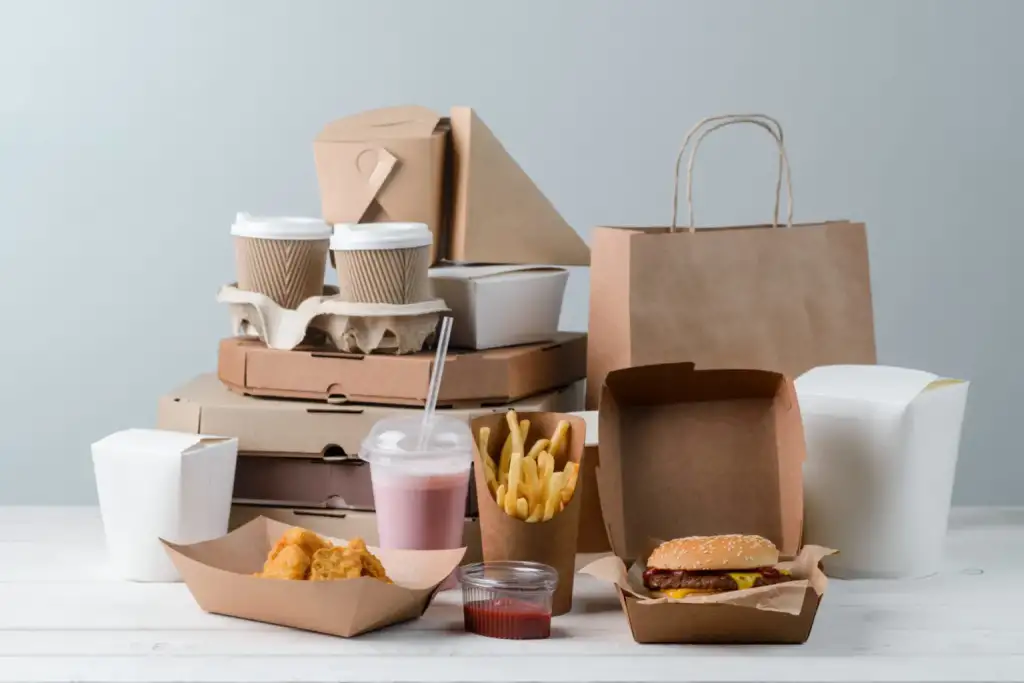
- Paperboard and cardboard: Popular for bakery and dry goods, often with food-safe coatings for moisture resistance.
- Plastics: Used for their barrier properties, flexibility, and ability to incorporate sensors or indicators.
- Bioplastics: Derived from renewable resources, offering a sustainable alternative to traditional plastics.
- Metals and foils: Provide excellent protection for canned and vacuum-sealed foods, and can be integrated with smart labels.
Each material must meet strict regulatory standards to ensure it does not leach harmful substances into food. The choice depends on the type of food, desired shelf life, and the smart features required.
Challenges and Considerations in Implementing Smart Packaging
While the benefits are clear, there are also hurdles to widespread adoption:
- Cost: Advanced packaging technologies can be more expensive than traditional options, impacting pricing and accessibility.
- Recyclability: Integrating electronics or sensors can complicate recycling processes, so manufacturers must design with end-of-life in mind.
- Consumer education: Shoppers need to understand how to use and interpret smart features for maximum benefit.
- Regulatory compliance: All components must adhere to food safety regulations, which can vary by region and product type.
Brands that address these challenges effectively can gain a competitive edge and contribute to a safer, more sustainable food system.
Future Trends in Food Packaging Technology
The future of packaging is likely to see even greater integration of digital and sustainable solutions. Developments on the horizon include:
- Biodegradable sensors that monitor freshness without adding to landfill waste.
- Blockchain-enabled traceability for complete supply chain transparency.
- Personalized packaging that interacts with smartphones to deliver tailored information or promotions.
As with the evolution of smart textiles and advanced printing, as discussed in what is the future of smart textiles and printing, the convergence of technology and materials science is opening new possibilities for food safety and consumer engagement.
FAQ
What is the main purpose of smart food-safe packaging?
The primary goal is to ensure food safety and quality by using advanced features like sensors, indicators, and traceability tools. These innovations help monitor freshness, prevent contamination, and provide valuable information to both consumers and supply chain partners.
Are smart packaging solutions safe for all types of food?
Yes, as long as the materials and technologies used are certified for food contact and comply with relevant regulations. Manufacturers must rigorously test their products to ensure they do not compromise food safety.
How can consumers benefit from these packaging innovations?
Consumers gain peace of mind from real-time freshness indicators, improved transparency about where their food comes from, and reduced risk of consuming spoiled products. These features also help reduce food waste by providing accurate information about product quality.