3D printed jewelry is transforming the world of accessories by making it possible to create unique, intricate, and highly personalized pieces. Whether you are a designer, hobbyist, or simply curious about the possibilities, this guide explores how digital fabrication is changing jewelry design, the materials and technologies involved, and practical tips for successful printing. With the right approach, anyone can bring their creative visions to life with precision and efficiency.
The intersection of fashion and advanced manufacturing is evolving rapidly. If you’re interested in how these trends connect to broader innovations, you might enjoy reading about what is the future of smart textiles and printing for more insights into the future of wearable technology.

Why Choose Additive Manufacturing for Jewelry?
Adopting 3D printed jewelry methods offers several advantages over traditional techniques. Digital fabrication enables:
- Customization: Easily tailor each piece to individual preferences, from size and shape to intricate patterns.
- Complexity: Create designs that would be impossible or prohibitively expensive with conventional casting or handcrafting.
- Speed: Rapidly prototype and iterate on new ideas, reducing time from concept to finished product.
- Material Efficiency: Minimize waste by using only the amount of material required for each item.
These benefits make additive manufacturing a compelling choice for both independent creators and established brands looking to expand their offerings.
Popular Materials and Technologies in Digital Jewelry Creation
The choice of material and printing technology plays a crucial role in the outcome of your jewelry project. Here are some of the most common options:
- Resin: Ideal for highly detailed pieces, resin printers use photopolymerization to achieve smooth surfaces and fine features. After printing, items are often cast in metal using lost-wax techniques.
- Metal Filaments: Some desktop printers can use metal-infused filaments, which are later sintered to produce solid metal objects. This approach is suitable for small-scale runs and prototyping.
- Nylon and Plastics: Lightweight and versatile, these materials are perfect for bold, colorful, or experimental designs.
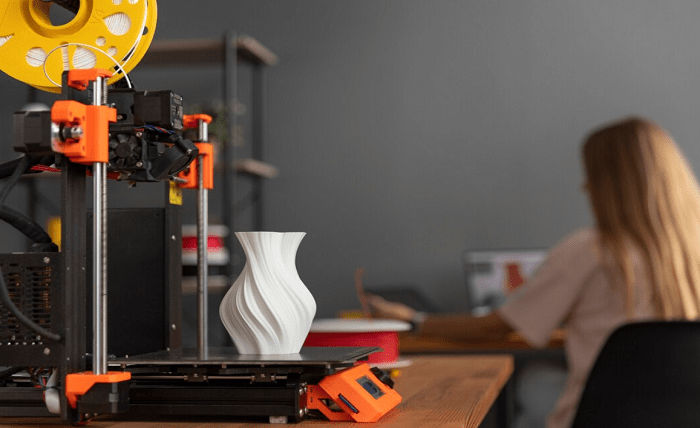
Technologies like SLA (Stereolithography), DLP (Digital Light Processing), and SLS (Selective Laser Sintering) are commonly used for jewelry due to their high resolution and ability to capture intricate details. For a deeper understanding of how these processes work, you can refer to this overview of 3D printing technology.
Designing for 3D Printing: Best Practices
Creating digital models for jewelry requires attention to detail and an understanding of the printing process. Here are some essential tips:
- Wall Thickness: Ensure that all parts of your design meet the minimum thickness required by your chosen material and printer. Thin sections may break or fail to print.
- Detail Resolution: Design with the printer’s resolution in mind. Fine details may not appear as expected if they fall below the printer’s capability.
- Support Structures: Some designs require supports during printing, especially with overhangs or complex geometries. Plan for easy removal and minimal post-processing.
- Fit and Assembly: If your piece includes moving parts or interlocking sections, allow for tolerances to ensure smooth assembly after printing.
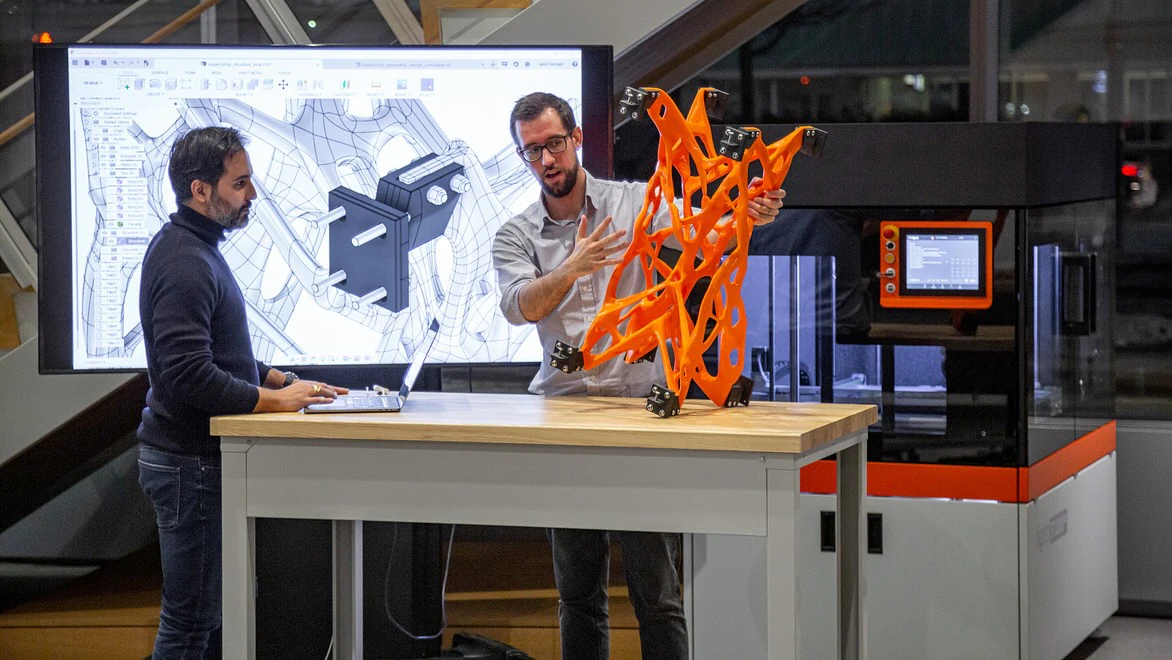
Using CAD software such as Rhino, Blender, or TinkerCAD allows for precise control. Many designers also use specialized plugins or scripts to generate organic, lattice, or parametric patterns that are difficult to achieve by hand.
Post-Processing and Finishing Techniques
After printing, most jewelry pieces require additional steps to achieve a professional finish:
- Cleaning: Remove any support material and clean the surface using recommended solvents or ultrasonic cleaners.
- Sanding and Polishing: Smooth rough edges and surfaces with fine sandpaper or polishing compounds.
- Plating or Casting: For metal jewelry, post-processing may involve electroplating, patination, or casting from a printed mold.
- Painting and Dyeing: Plastics and resins can be colored with dyes, paints, or even embedded pigments during printing.
Finishing steps not only improve the look and feel of the jewelry but also enhance durability and comfort for the wearer.
Common Challenges and How to Overcome Them
While the benefits of digital jewelry production are significant, there are also challenges to consider:
- Printer Limitations: Not all desktop printers can handle the fine details required for small pieces. Research your printer’s capabilities and consider outsourcing to a professional service if needed.
- Material Constraints: Some materials are brittle or difficult to finish, while others may not be suitable for skin contact. Always check safety data and test for allergies.
- Learning Curve: Mastering CAD software and understanding the nuances of additive manufacturing takes time. Start with simple projects and gradually tackle more complex designs.
For those setting up a creative workspace, resources like how to set up a small scale fashion printing studio offer practical advice for getting started at home.
Inspiration and Trends in Modern Jewelry Fabrication
The world of digitally fabricated jewelry is vast and constantly evolving. Current trends include:
- Parametric and Generative Designs: Using algorithms to create organic, nature-inspired forms that are difficult to replicate by hand.
- Mixed Materials: Combining printed elements with traditional materials like gemstones, leather, or wood for unique contrasts.
- Personalization: Offering customers the ability to customize text, shapes, or patterns for one-of-a-kind pieces.
- Sustainable Practices: Using recycled filaments or biodegradable plastics to reduce environmental impact.
Designers are also exploring new ways to integrate technology, such as embedding sensors or NFC chips, to create interactive or smart accessories. For more on how digital fabrication is shaping fashion, see how to use digital printing for fashion trend forecasting.
FAQ: 3D Printed Jewelry
What types of jewelry can be made with 3D printing?
Almost any type of accessory can be created, including rings, earrings, pendants, bracelets, cufflinks, and brooches. The main limitation is the size and detail your printer can handle. Many designers use additive manufacturing for both prototypes and finished products.
Is 3D printed jewelry durable and safe to wear?
Durability depends on the material and finishing process. Metal pieces are typically as strong as traditionally cast items, while resin and plastic pieces may be more delicate. Always use skin-safe materials and test for allergies, especially for items worn against the skin.
Can I sell 3D printed jewelry online?
Yes, many creators sell their work through online marketplaces or their own websites. Offering custom designs and personalization can help you stand out. Be sure to provide accurate descriptions and clear photos, and consider the cost of materials, printing, and finishing when pricing your items.
What software is best for designing jewelry?
Popular options include Rhino, Blender, TinkerCAD, and Fusion 360. The best choice depends on your experience level and the complexity of your designs. Some platforms offer jewelry-specific plugins for advanced modeling and rendering.
Conclusion
Digital fabrication is opening up new possibilities for jewelry designers and enthusiasts. By understanding the materials, technologies, and best practices involved, you can create stunning, personalized pieces that reflect your unique style. Whether you are experimenting at home or building a business, 3D printed jewelry offers a flexible and accessible way to bring your creative ideas to life.