Condiments like ketchup, mustard, mayonnaise, and specialty sauces are essential in kitchens and restaurants worldwide. However, ensuring these products remain safe, fresh, and flavorful depends heavily on the packaging used. Food-safe packaging for condiments is more than just a container—it’s a vital barrier that protects both the product and the consumer.
Understanding the materials, regulations, and innovations in this area is crucial for food producers, restaurant owners, and even consumers who value safety and quality. This article explores the essentials of safe packaging for sauces and spreads, covering materials, compliance, sustainability, and the latest industry trends.
For those interested in how packaging innovations are shaping other industries, you might also find insights in what is the future of smart textiles and printing.
Why Food-Safe Packaging Matters for Sauces and Spreads
When it comes to condiments, packaging does more than just hold the product. It plays a direct role in:
- Preserving freshness by preventing air, moisture, and contaminants from entering.
- Ensuring safety by using materials that do not leach harmful substances into the food.
- Maintaining flavor and texture by providing a stable environment.
- Extending shelf life and reducing food waste.
Improper packaging can lead to spoilage, contamination, and even foodborne illnesses. That’s why regulations and standards for food-safe packaging for condiments are so strict and closely monitored.
Key Materials Used in Safe Packaging for Condiments
The choice of packaging material is critical for both safety and product quality. Here are the most common materials used for sauces, dressings, and spreads:
Plastics: Versatile and Widely Used
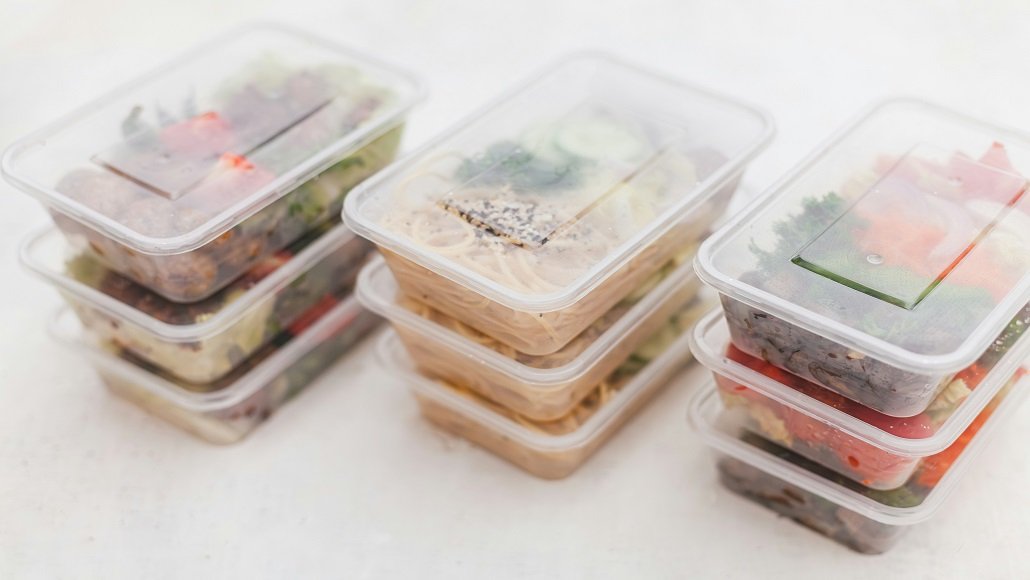
Plastic containers, bottles, and sachets are popular because they are lightweight, shatter-resistant, and cost-effective. However, only certain plastics are approved for direct food contact. Common types include:
- Polyethylene Terephthalate (PET): Used for squeeze bottles and jars. PET is non-reactive and provides a good barrier against moisture and gases.
- High-Density Polyethylene (HDPE): Often used for thicker bottles and tubs. HDPE is durable and resistant to many chemicals.
- Polypropylene (PP): Used for lids and some containers. PP has a high melting point, making it suitable for hot-fill products.
All plastics used must be certified as food-grade, meaning they do not contain or release harmful chemicals under normal usage.

Glass: Classic and Inert
Glass jars and bottles are traditional choices for premium condiments. Glass is non-porous, does not react with acidic foods, and is fully recyclable. However, it is heavier and more prone to breakage compared to plastics.
Metals: For Cans and Foil Packs
Some sauces and spreads are packaged in metal cans or foil pouches. These materials provide excellent protection from light and oxygen. Food-grade coatings are applied to prevent any interaction between the metal and the food, especially for acidic condiments like tomato-based sauces.
Paper-Based Packaging: Eco-Friendly Options
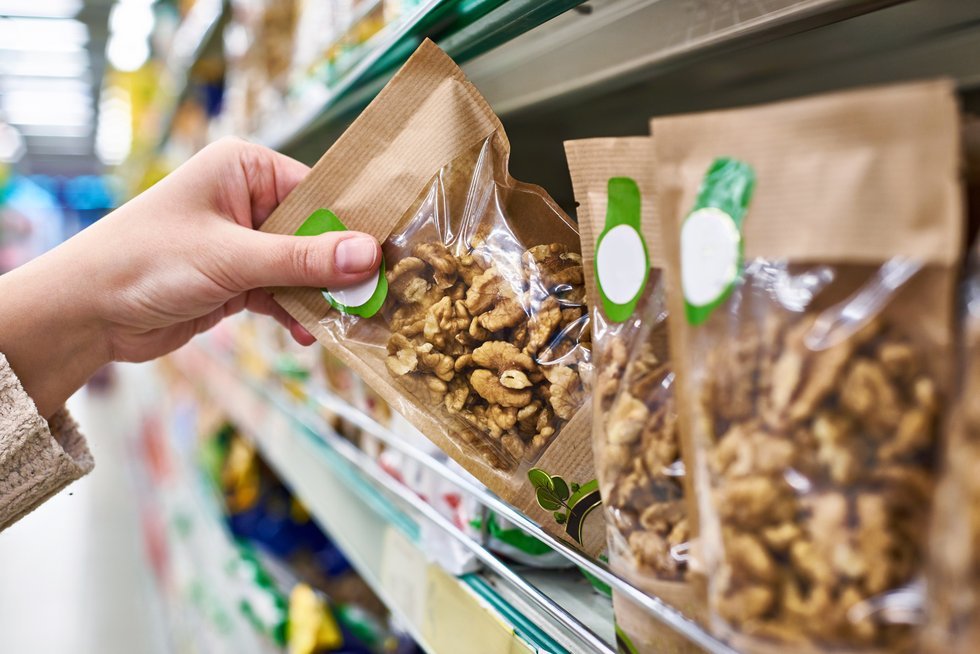
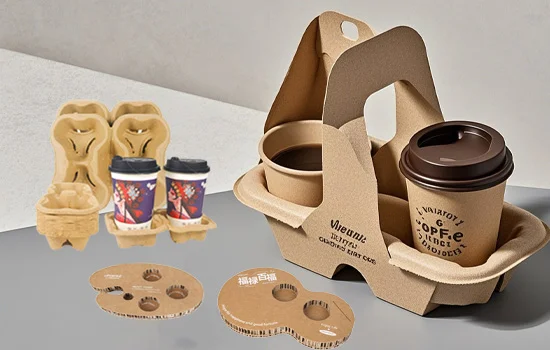
Paper and cardboard are increasingly used for single-serve sachets and outer cartons. These materials are often lined with a thin layer of plastic or wax to prevent leaks and maintain freshness. Sustainable paper-based solutions are gaining popularity as brands seek to reduce plastic waste.
Regulations and Standards for Food-Safe Packaging
Packaging for condiments must comply with strict food safety regulations. In the United States, the Food and Drug Administration (FDA) sets guidelines for materials that come into contact with food. The European Union has similar standards under the Framework Regulation (EC) No 1935/2004.
- Migration limits: Packaging materials must not transfer unsafe levels of chemicals to the food.
- Traceability: Manufacturers must be able to trace packaging materials back to their source.
- Labeling: Packaging must be clearly labeled as food-safe and suitable for the intended use.
Brands and manufacturers must work with certified suppliers and conduct regular testing to ensure compliance. For a comprehensive overview of industry standards and best practices, see the complete guide to food-safe packaging solutions.
Sustainability Trends in Condiment Packaging
As environmental concerns grow, the condiment industry is shifting toward more sustainable packaging solutions. Innovations include:
- Biodegradable plastics made from plant-based materials.
- Recyclable and compostable paper sachets for single-serve portions.
- Lightweight designs that reduce material use and shipping emissions.
- Refillable containers for foodservice and retail.
These advancements not only help reduce waste but can also appeal to eco-conscious consumers. However, all new materials must still meet the same rigorous food safety standards as traditional options.
Packaging Design and Consumer Experience
Beyond safety and sustainability, packaging also influences how consumers interact with condiments. Key considerations include:
- Ease of use: Squeeze bottles, flip-top lids, and single-serve packets improve convenience and portion control.
- Branding: Custom labels, shapes, and colors help products stand out on shelves.
- Resealability: Airtight closures keep products fresh after opening.
- Transparency: Clear packaging lets consumers see the product inside, building trust and appeal.
Effective packaging design can enhance the overall experience and encourage repeat purchases, while still prioritizing safety and compliance.
Challenges and Innovations in Food-Safe Packaging for Condiments
Producers face several challenges when selecting and developing packaging for sauces and spreads:
- Balancing cost and safety: High-quality, certified materials can be more expensive.
- Adapting to new regulations: Laws and standards evolve, especially regarding plastics and sustainability.
- Ensuring compatibility: Some condiments are acidic, oily, or contain particulates that can interact with certain materials.
- Reducing environmental impact: Transitioning to greener options without compromising product safety.
Recent innovations include antimicrobial coatings, smart packaging that indicates freshness, and advanced sealing technologies to prevent leaks and contamination.
Frequently Asked Questions
What makes packaging food-safe for condiments?
Food-safe packaging is made from materials that have been tested and certified to not release harmful substances into the food. These materials must comply with regulations set by authorities like the FDA or the European Union, ensuring they are suitable for direct contact with sauces, spreads, and dressings.
Are biodegradable or compostable condiment packages safe?
Yes, as long as they are certified for food contact. Biodegradable and compostable options are increasingly available, but they must still meet the same safety standards as traditional packaging to ensure they do not contaminate the food.
How can I tell if a condiment package is food-safe?
Look for labeling that indicates the packaging is food-grade or food-safe. Reputable brands and suppliers will provide documentation or certifications to verify compliance with relevant regulations. If in doubt, contact the manufacturer for more information.
Conclusion
Choosing the right packaging for sauces and spreads is a complex process that balances safety, sustainability, and consumer experience. By understanding the materials, regulations, and innovations shaping food-safe packaging for condiments, producers and consumers alike can make informed decisions that protect both health and the environment.