Precision 3D printing has revolutionized the way designers, engineers, and manufacturers approach prototyping and production. The ability to create highly accurate, detailed models directly from digital files has opened up new possibilities across industries, from medical devices to aerospace components. However, achieving consistent, high-quality results requires more than just owning a 3D printer. Understanding the factors that influence accuracy, choosing the right materials and technology, and fine-tuning your workflow are all essential steps for anyone aiming to produce models with tight tolerances and crisp details.
In this article, you’ll find practical guidance on optimizing your setup for reliable, repeatable results. Whether you’re a hobbyist looking to improve your prints or a professional seeking to deliver industry-grade prototypes, the following insights will help you master the art of high-precision additive manufacturing. For those interested in the intersection of advanced printing and textiles, you might also explore what is the future of smart textiles and printing for a broader perspective on emerging technologies.
Understanding the Fundamentals of High-Accuracy 3D Printing
To achieve exceptional results, it’s important to understand what influences the accuracy of a printed model. The term “precision” in additive manufacturing refers to the printer’s ability to reproduce the intended dimensions and fine details of a digital design. Several factors contribute to this:
- Printer Resolution: The minimum movement the printer can make along each axis, typically measured in microns.
- Layer Height: Thinner layers result in smoother surfaces and finer details, but increase print time.
- Material Properties: Some materials shrink or warp more than others, affecting dimensional accuracy.
- Calibration: Properly calibrated hardware ensures that the printer’s movements match the digital file.
For a deeper dive into how these machines operate, the Department of Energy’s guide to 3D printer mechanics offers a comprehensive overview.
Choosing the Right Technology for Detailed Models
Not all 3D printing methods are created equal when it comes to producing highly accurate parts. The most common technologies used for precision work include:
- Stereolithography (SLA): Utilizes a laser to cure liquid resin, producing smooth surfaces and sharp details. Ideal for dental, jewelry, and prototype applications.
- Digital Light Processing (DLP): Similar to SLA but uses a projector. Known for speed and fine resolution.
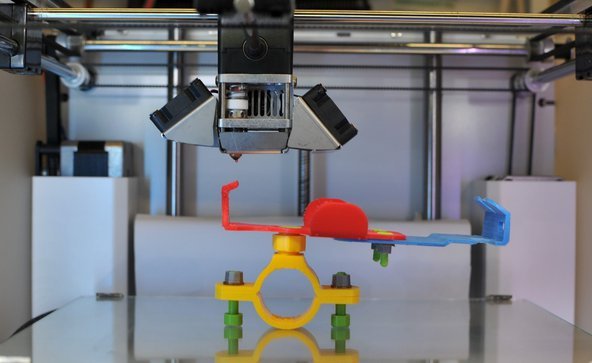
- Fused Deposition Modeling (FDM): Widely accessible but generally less precise than resin-based methods. However, with the right settings and high-quality hardware, FDM can still produce accurate models for many uses.
When selecting a printer, consider the minimum layer height, supported materials, and build quality. Investing in a reliable machine is the first step toward repeatable, high-precision results.
Optimizing Your Workflow for Accurate Results
Even the best hardware can produce poor results if the workflow isn’t optimized. Here are some essential steps to maximize the accuracy of your models:
- Model Preparation: Use high-resolution files and ensure your CAD models are manifold (watertight). Avoid non-manifold edges or intersecting faces that can confuse slicing software.
- Slicing Settings: Choose the smallest practical layer height and adjust print speed to balance detail and reliability. Enable features like anti-aliasing (for resin printers) to smooth out edges.
- Printer Calibration: Regularly calibrate your printer’s axes, bed level, and extruder steps. Inaccurate calibration is a leading cause of dimensional errors.
- Environmental Control: Maintain a stable temperature and humidity in your printing area. Sudden changes can cause warping or layer separation, especially with certain plastics.
- Material Handling: Store filaments and resins in dry, sealed containers to prevent moisture absorption, which can degrade print quality.
For those working with textiles or unconventional substrates, see how to print on cork and non-traditional materials for additional tips on adapting your process.
Material Selection and Its Impact on Model Precision
The choice of material is a critical factor in achieving high accuracy. Each material has unique properties that affect printability and final dimensions:
- PLA: Easy to print and dimensionally stable, making it suitable for prototypes and visual models.
- ABS: Offers strength but is prone to warping, requiring a heated bed and enclosure for best results.
- Resins: Used in SLA/DLP printers, resins can achieve extremely fine details but may require post-curing to reach full strength.
- Engineering Plastics: Materials like PETG, nylon, and polycarbonate offer advanced mechanical properties but may demand more precise temperature control.
Always consult the manufacturer’s guidelines for optimal print settings and post-processing recommendations. Experimenting with different brands and types can help you identify the best option for your application.
Common Challenges and Troubleshooting Tips
Even with careful preparation, issues can arise that compromise model accuracy. Here are some common problems and solutions:
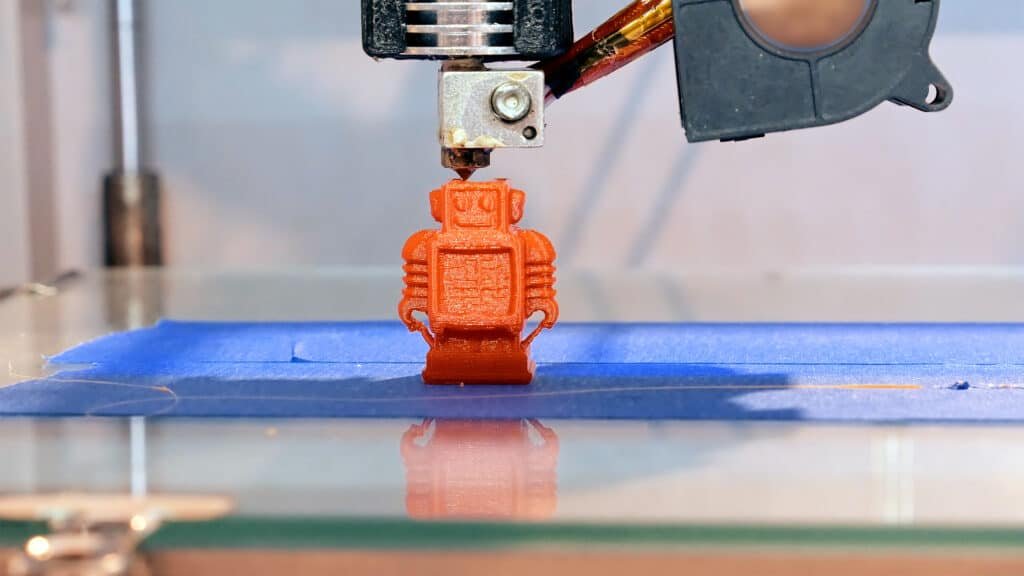
- Warping: Ensure proper bed adhesion and maintain a consistent ambient temperature. Use adhesives or build plates designed for your material.
- Layer Misalignment: Check for loose belts, rods, or screws. Regular maintenance prevents mechanical drift.
- Stringing or Blobs: Adjust retraction settings and nozzle temperature. Clean the nozzle regularly to prevent clogs.
- Dimensional Inaccuracy: Calibrate the extruder steps per millimeter and verify the slicing software’s scale settings.
For those interested in how digital printing intersects with fashion, how to use digital printing for fashion trend forecasting offers insights into the broader applications of advanced printing technologies.
Best Practices for Consistent High-Precision Output
To consistently produce accurate models, adopt these best practices:
- Perform regular maintenance and calibration on your printer.
- Document your successful print settings for future reference.
- Use high-quality, dry materials and store them properly.
- Control your printing environment to minimize temperature and humidity fluctuations.
- Stay updated with firmware and slicing software improvements.
For businesses or designers working with luxury fabrics, tips for high-end luxury fabric printing can provide further guidance on achieving professional results in specialized applications.
FAQ
What is the most accurate 3D printing technology for small parts?
Resin-based methods like SLA and DLP are generally considered the most precise for small, detailed parts. These technologies use light to cure liquid resin, resulting in smooth surfaces and sharp features that are difficult to achieve with filament-based printers.
How can I improve dimensional accuracy on an FDM printer?
To enhance accuracy on an FDM printer, regularly calibrate your machine, use high-quality filament, and fine-tune your slicing settings. Keeping the print bed level and maintaining consistent extrusion are also crucial for reducing dimensional errors.
Does print speed affect the precision of 3D printed models?
Yes, higher print speeds can lead to reduced accuracy, especially on complex or small features. Slower speeds allow the printer to deposit material more precisely and reduce vibrations that can cause misalignment or surface defects.