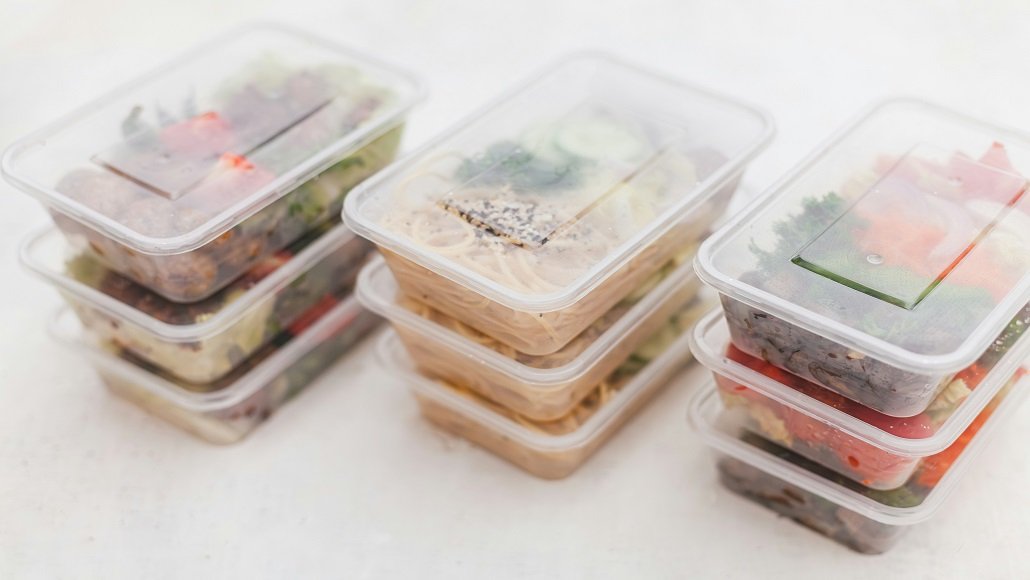
The food industry is undergoing a significant transformation as new technologies and materials emerge to improve the safety, sustainability, and functionality of packaging. Innovations in food-safe packaging are not only addressing consumer concerns about health and environmental impact but are also helping manufacturers comply with stricter regulations and extend product shelf life. Understanding these advancements is essential for businesses, food professionals, and consumers who want to stay informed and make responsible choices.
From biodegradable materials to smart packaging that monitors freshness, the landscape of food packaging is rapidly evolving. In this article, we’ll explore the latest trends, the science behind these breakthroughs, and how they are shaping the future of food safety and sustainability. For those interested in related advancements in materials and printing, you might also find value in learning about what is the future of smart textiles and printing.
Emerging Materials Transforming Food Packaging
One of the most notable developments in recent years is the shift toward sustainable and food-safe materials. Traditional plastics, while effective at preserving food, have raised concerns due to their environmental impact and potential for chemical migration. In response, manufacturers are exploring alternatives that offer both safety and eco-friendliness.
- Bioplastics: Derived from renewable sources like corn starch, sugarcane, or cellulose, bioplastics are designed to be compostable or biodegradable. They reduce reliance on fossil fuels and minimize landfill waste.
- Edible Packaging: Some companies are developing packaging made from edible films, such as seaweed or rice, which can be safely consumed along with the food product.
- Plant-Based Coatings: Innovative coatings made from natural ingredients like chitosan (from shellfish) or beeswax are being used to create barriers that protect food without harmful additives.
These materials are rigorously tested to ensure they meet food safety standards, providing peace of mind for both producers and consumers.
Smart Technologies for Enhanced Food Safety
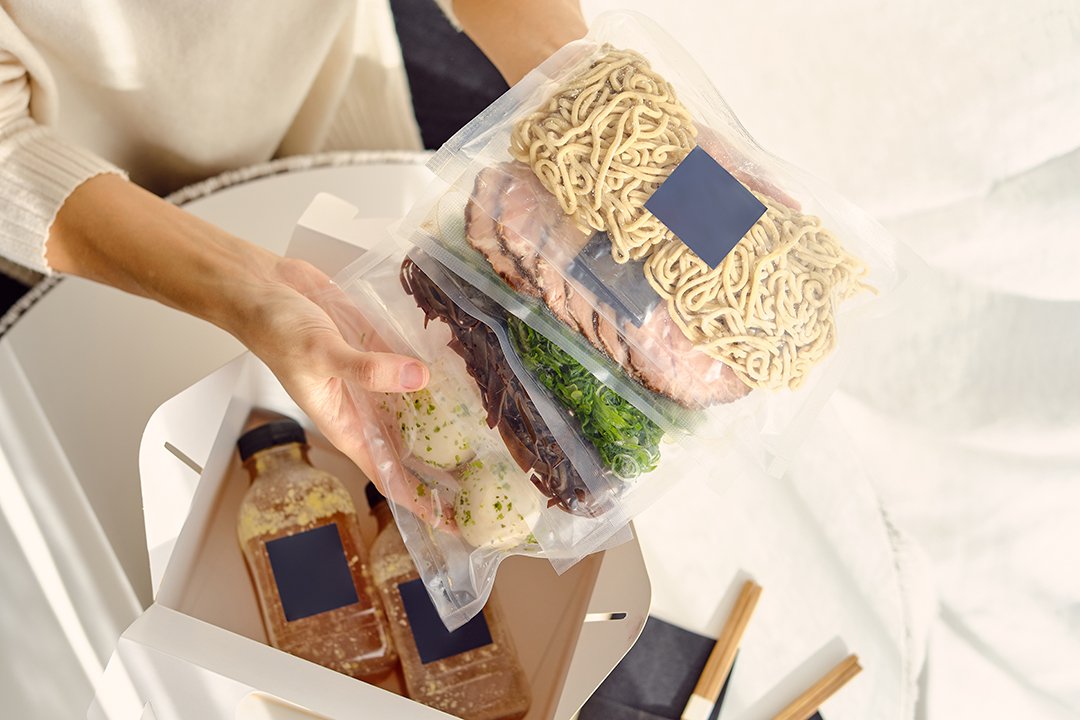
Beyond materials, technological innovations in food-safe packaging are making it possible to monitor and maintain food quality throughout the supply chain. These smart solutions help reduce waste, prevent contamination, and give consumers more confidence in the products they buy.
- Time-Temperature Indicators (TTIs): These small devices change color based on the temperature history of the package, alerting handlers and consumers if a product has been exposed to unsafe conditions.
- Freshness Sensors: Some packages now include sensors that detect gases released by spoiling food, providing a visual indicator of freshness.
- QR Codes and Digital Tracking: By scanning a code, consumers can access detailed information about the origin, handling, and expiration of their food, improving transparency and traceability.
These advancements are particularly valuable for perishable goods, where maintaining the cold chain and monitoring shelf life are critical for safety and quality.
Regulatory Compliance and Consumer Trust
As packaging evolves, so do the regulations governing its use. Governments and international bodies have established strict guidelines to ensure that materials and technologies used in food packaging are safe for consumers. Manufacturers must conduct migration tests, certify materials, and provide clear labeling to comply with these standards.
Building consumer trust is also a key driver behind these changes. Transparent communication about the safety and sustainability of packaging materials helps brands differentiate themselves and meet the growing demand for responsible products. For more insights into the importance of compliance and best practices, see this comprehensive guide to food-safe packaging standards and trends.
Sustainability and the Circular Economy
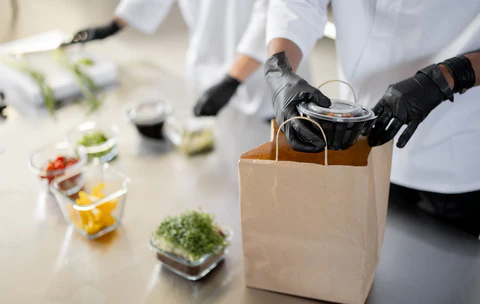
The push for eco-friendly solutions is at the heart of many recent advancements in food packaging. Companies are designing products that not only protect food but also minimize environmental impact throughout their lifecycle.
- Recyclable and Reusable Packaging: New designs focus on making containers easy to recycle or repurpose, reducing single-use waste.
- Compostable Films and Trays: These break down naturally after use, returning nutrients to the soil and supporting a circular economy.
- Lightweighting: Reducing the amount of material used in packaging lowers transportation emissions and resource consumption.
These efforts align with global sustainability goals and respond to consumer demand for greener choices. The integration of sustainable practices is also influencing related industries, such as fashion and textiles. For example, the article on benefits of localized printing for global brands discusses how local production can reduce environmental impact, a concept that is increasingly relevant in food packaging as well.
Challenges and Future Directions
While the progress in food-safe packaging innovation is impressive, several challenges remain. Balancing cost, performance, and sustainability can be difficult, especially for small producers. Ensuring that new materials are compatible with existing recycling systems is another ongoing concern.
Looking ahead, we can expect continued investment in research and development. Areas of focus include:
- Developing advanced barrier materials that extend shelf life without compromising recyclability.
- Integrating more digital features for real-time monitoring and supply chain transparency.
- Scaling up the use of renewable resources and closed-loop systems to further reduce environmental impact.
Collaboration between industry, regulators, and consumers will be essential to drive meaningful change and ensure that new solutions are both practical and widely adopted.
Frequently Asked Questions
What makes packaging food-safe?
Food-safe packaging is made from materials that do not leach harmful chemicals into food and are manufactured under strict hygiene standards. These materials are tested for migration, durability, and compatibility with different types of food to ensure consumer safety.
How do smart packaging technologies improve food safety?
Smart packaging uses sensors, indicators, and digital tools to monitor the condition of food products in real time. This helps detect spoilage, temperature abuse, or contamination, reducing the risk of foodborne illness and waste.
Are biodegradable and compostable packaging materials always better for the environment?
While biodegradable and compostable materials can reduce landfill waste, their environmental benefits depend on proper disposal and local composting facilities. It’s important to consider the full lifecycle of the packaging and ensure it aligns with available waste management systems.