Delivering hot, fresh soup safely to customers or storing it at home requires more than just a sturdy container. Food-safe packaging for soups is essential for maintaining quality, preventing leaks, and ensuring that no harmful substances migrate into the food. With growing consumer awareness around food safety and sustainability, choosing the right packaging has become a top priority for food businesses and home cooks alike.
Understanding the materials, regulations, and design features that make packaging suitable for soups can help you make informed decisions, whether you’re running a restaurant, meal delivery service, or simply looking for safe storage solutions. For those interested in how packaging innovations are shaping other industries, you might also explore what is the future of smart textiles and printing for a broader perspective on material science and safety.
Why Food-Safe Packaging Matters for Soups
Soups present unique challenges for packaging. They are often hot, liquid-based, and can be acidic or oily, which means the packaging must withstand temperature changes and prevent leaks. Using food-safe packaging for soups ensures that the container does not release harmful chemicals, alter the taste, or compromise the quality of the soup.
Regulatory bodies such as the FDA set strict guidelines for materials that come into contact with food. Packaging that meets these standards helps protect consumers from contaminants and supports brand reputation for food businesses. For more details on regulatory standards, the FDA’s food ingredients and packaging guidelines provide comprehensive information.
Key Materials Used in Safe Soup Packaging
There are several materials commonly used for packaging soups, each with its own advantages and limitations. The choice depends on the intended use, whether for takeaway, delivery, or storage.
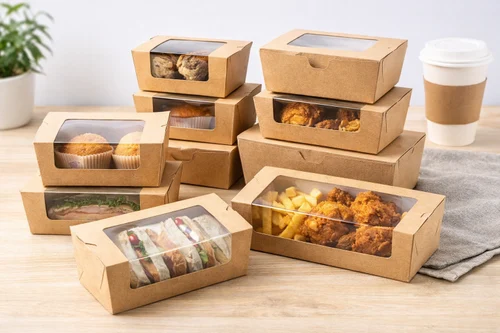
- Paperboard with Poly Lining: Widely used for disposable soup cups and bowls, these containers are lined with a thin layer of polyethylene to prevent leaks and maintain structural integrity. They are lightweight and often recyclable or compostable.
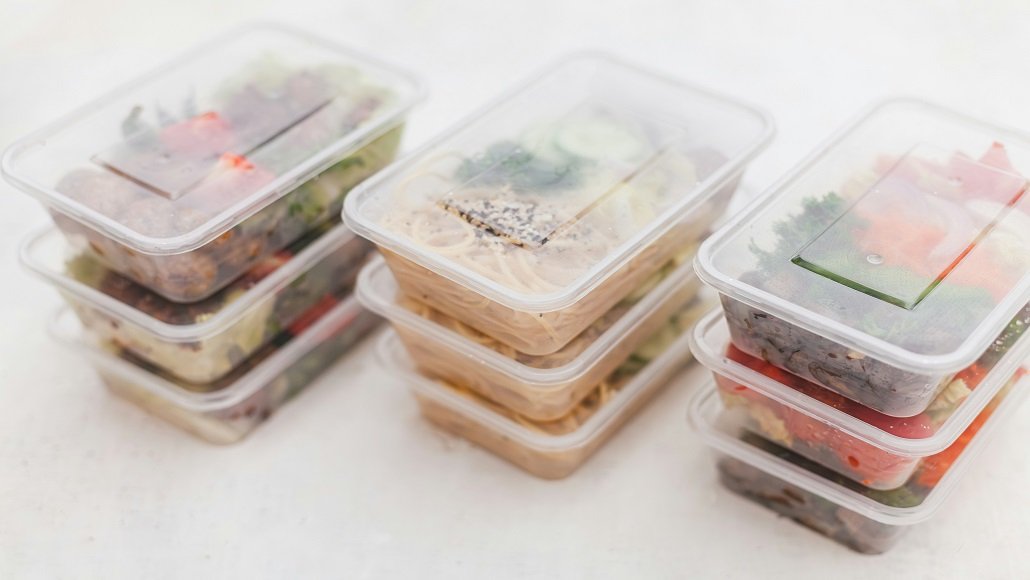
- Plastic Containers (PP, PET): Polypropylene (PP) and polyethylene terephthalate (PET) are popular plastics for soup packaging. They are heat-resistant, microwave-safe, and provide a tight seal. However, not all plastics are created equal, so it’s important to verify that the plastic is certified food-safe.
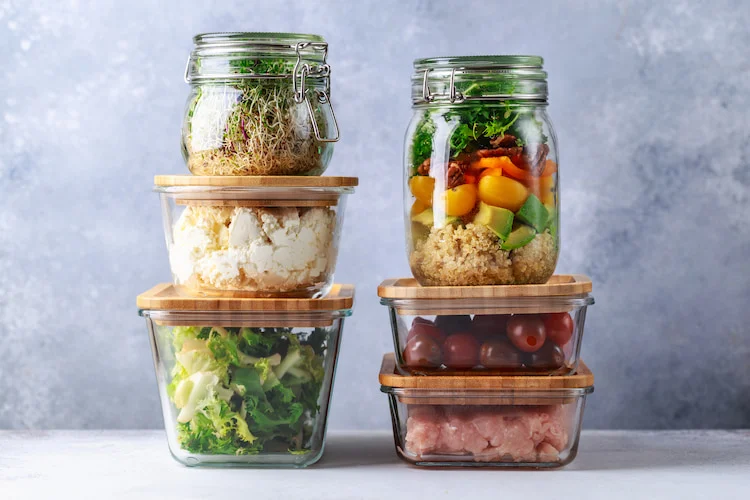
- Glass Jars: Glass is inert, non-reactive, and ideal for long-term storage. It’s reusable and does not absorb odors or flavors. The downside is that glass is heavier and more prone to breakage.
- Stainless Steel: Used for insulated soup containers and thermoses, stainless steel offers excellent temperature retention and durability. It’s a premium option for reusable packaging.
Important Features of Safe Soup Packaging
When selecting packaging for soups, it’s not just the material that matters. Several features contribute to the overall safety and functionality:
- Leak-Proof Seals: Secure lids and tight seals prevent spills during transport and storage.
- Heat Resistance: Containers must withstand hot liquids without warping, melting, or releasing chemicals.
- Microwave and Freezer Compatibility: For convenience, many consumers prefer packaging that can go from freezer to microwave safely.
- Portion Control: Clearly marked sizes help with portioning and reduce waste.
- Eco-Friendliness: Compostable, recyclable, or reusable options are increasingly favored by environmentally conscious consumers.
Regulatory Standards and Certifications
Ensuring packaging is truly food-safe involves more than just choosing the right material. Look for certifications and compliance with recognized standards:
- FDA Approval: In the United States, packaging must comply with FDA regulations for food contact materials.
- BPA-Free: Many plastic containers now advertise as BPA-free, meaning they do not contain bisphenol A, a chemical linked to health concerns.
- Compostable or Recyclable Certifications: Third-party certifications can verify claims about environmental safety.
Always check product labeling and supplier documentation to confirm compliance with relevant standards.

Design Innovations in Soup Packaging
Modern packaging solutions are not just about safety—they also focus on user experience and sustainability. Recent innovations include:
- Windowed Containers: Allow consumers to see the product inside, enhancing trust and appeal.
- Stackable Designs: Improve storage efficiency for both retailers and consumers.
- Dual-Compartment Containers: Separate toppings or garnishes from the soup base, maintaining freshness until consumption.
- Custom Printing: Branding and nutritional information can be printed directly on the packaging, providing transparency and marketing benefits.
These features not only improve convenience but also help brands stand out in a competitive market.
Best Practices for Businesses and Consumers
Whether you’re a food business or an individual, following best practices ensures safety and satisfaction:
- Source from Reputable Suppliers: Always purchase packaging from trusted vendors who provide documentation of food safety compliance.
- Educate Staff: Train employees on proper handling, filling, and sealing of soup containers to avoid contamination.
- Label Clearly: Include reheating instructions, allergen information, and storage guidelines on the packaging.
- Encourage Recycling or Reuse: Offer incentives for customers to return or recycle containers, supporting sustainability goals.
Common Questions About Safe Soup Packaging
- What materials are safest for hot soup packaging?
- Glass, stainless steel, and certified food-grade plastics like PP and PET are considered safe for hot liquids. Paperboard containers with poly lining are also widely used, provided they meet food safety standards.
- Can soup containers be microwaved?
- Many plastic and paperboard containers are microwave-safe, but always check the manufacturer’s instructions. Never microwave containers that are not explicitly labeled as microwave-safe.
- How can I tell if packaging is truly food-safe?
- Look for FDA approval, BPA-free labeling, and third-party certifications. Reputable suppliers will provide documentation and clear labeling to verify food safety compliance.
Conclusion
Choosing the right food-safe packaging for soups is vital for maintaining product quality, protecting consumer health, and supporting sustainability efforts. By understanding the materials, features, and regulations involved, both businesses and individuals can make informed decisions that benefit everyone. As packaging technology continues to evolve, staying informed will help you adapt to new standards and consumer expectations.