Eco-conscious makers and textile professionals are increasingly interested in how to use natural mordants for fabric printing to achieve vibrant, lasting color while minimizing environmental impact. Natural mordants, derived from plants and minerals, offer a sustainable alternative to synthetic chemicals. They help fix dyes to fabric, ensuring colorfastness and enhancing print quality without introducing harmful substances into the ecosystem.
Understanding the role of mordants and how to apply them is essential for anyone looking to embrace greener printing methods. This guide covers the basics of natural mordants, their benefits, and step-by-step instructions for their use in fabric printing projects.
For those exploring sustainable textile techniques, you may also find value in learning how to print on sustainable bamboo fabrics to further reduce your environmental footprint.
What Are Natural Mordants and Why Use Them?
Mordants are substances that bind dyes to fibers, making colors more permanent and resistant to washing or fading. Traditional mordants like alum, iron, and tannins can be sourced from nature, unlike many synthetic alternatives that may pose environmental risks. Using natural mordants aligns with eco-friendly principles and supports safer, non-toxic textile practices.
The advantages of natural mordants include:
- Lower environmental impact compared to synthetic chemicals
- Safer for artisans and end-users
- Compatible with a wide range of natural and plant-based dyes
- Often locally available and biodegradable
Types of Natural Mordants for Sustainable Fabric Printing
There are several types of natural mordants, each with unique properties. Choosing the right one depends on the fabric type, desired color, and dye used. Here are some common options:
- Alum (Potassium Aluminum Sulfate): Extracted from minerals, alum is widely used for cotton, silk, and wool. It enhances brightness and colorfastness.
- Tannins: Found in plants like oak galls, sumac, and pomegranate rinds. Tannins are especially useful for cellulose fibers (cotton, linen) and work well in combination with alum.
- Iron (Ferrous Sulfate): Sourced from rusted iron or iron-rich minerals. Iron darkens colors and can shift hues, making it ideal for earthy tones.
- Rhubarb Leaf: Contains oxalic acid, acting as a mild mordant for plant fibers.
- Other Plant-Based Mordants: Some barks, roots, and leaves (such as sumac or tea) contain natural compounds that help fix dyes.

Step-by-Step Guide: Applying Natural Mordants to Fabric
To achieve the best results with eco-friendly printing, follow these steps for preparing and mordanting your fabric:
1. Pre-Wash the Fabric
Start by thoroughly washing your fabric to remove any sizing, oils, or residues. This ensures the mordant and dye can penetrate the fibers evenly.
2. Prepare the Mordant Solution
Choose your natural mordant based on the fiber and dye. Here’s a basic approach:
- Alum: Dissolve 10–15% alum (by weight of fabric) in hot water. For example, use 10g alum for every 100g of fabric.
- Tannin: Soak plant material (e.g., oak galls, sumac leaves) in hot water to extract tannins, then strain the liquid.
- Iron: Dissolve a small amount (1–2%) of iron sulfate in water, as too much can damage fibers.
3. Mordant the Fabric
Submerge the clean, damp fabric in the prepared mordant bath. Heat gently (around 80°C/175°F) for 45–60 minutes, stirring occasionally to ensure even absorption. For cellulose fibers, a tannin bath is often followed by an alum bath for improved results.
4. Rinse and Dry
After mordanting, rinse the fabric thoroughly in cool water to remove excess mordant. Hang or lay flat to dry before proceeding to dyeing or printing.
5. Print or Dye the Fabric
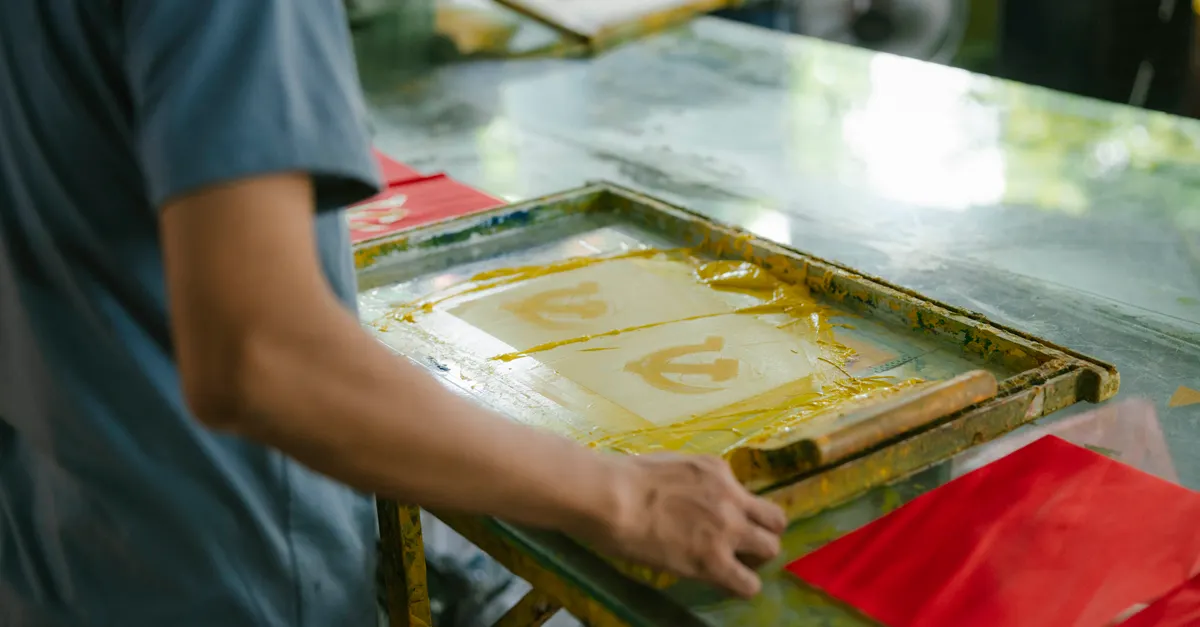
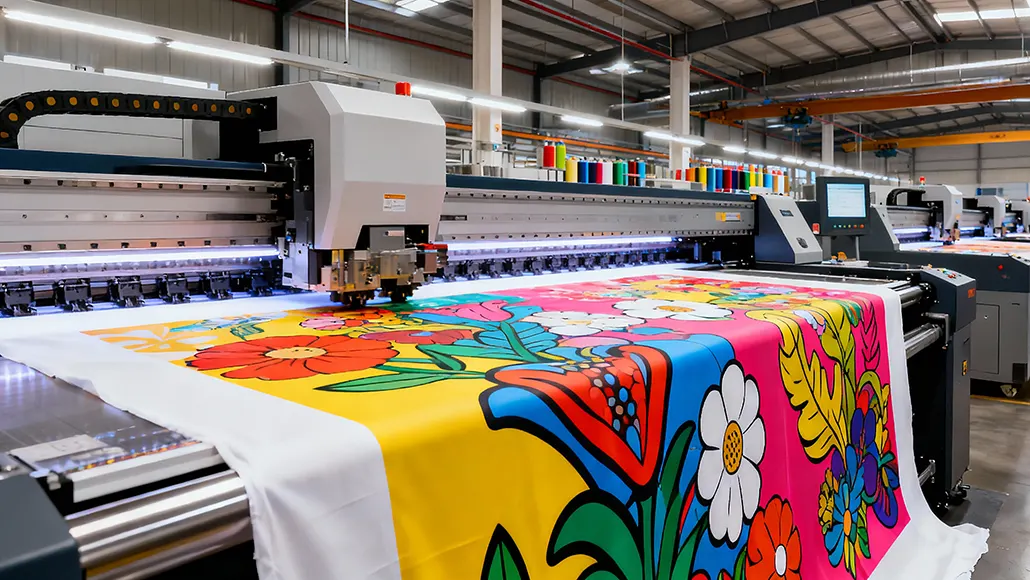
Once mordanted, the fabric is ready for printing or dyeing. Natural mordants work well with a variety of eco-friendly dye techniques, including block printing, screen printing, and digital methods. For more on advanced printing techniques, see this comprehensive guide to digital fabric printing.

Tips for Success with Natural Mordants in Fabric Printing
- Test first: Always run a small test before treating large batches. Different fabrics and dyes may react uniquely.
- Use clean, non-reactive equipment: Stainless steel or enamel pots are best for preparing mordant solutions.
- Label and document: Keep notes on mordant recipes, times, and results to refine your process over time.
- Combine mordants for special effects: Layering tannin and alum, or adding a touch of iron, can create unique shades and improve colorfastness.
- Dispose responsibly: Although natural mordants are safer, always dispose of leftover solutions in accordance with local guidelines.
Comparing Natural and Synthetic Mordants
While synthetic mordants can offer speed and consistency, they often contain heavy metals or chemicals that are hazardous to health and the environment. Natural alternatives, when used properly, provide excellent results for most textile projects and are preferred for eco-friendly production.
| Aspect | Natural Mordants | Synthetic Mordants |
|---|---|---|
| Source | Plants, minerals | Industrial chemicals |
| Environmental Impact | Low, biodegradable | High, potential pollution |
| Safety | Non-toxic (with care) | May be hazardous |
| Colorfastness | Good (with proper technique) | Consistent but less eco-friendly |
Integrating Natural Mordants into Modern Textile Design
Eco-friendly mordanting is compatible with both traditional and modern fabric printing methods. Whether you’re using hand block printing, screen printing, or digital techniques, natural mordants can be incorporated to achieve durable, vibrant results. For those interested in advanced design workflows, you might also explore how to use Adobe Illustrator for textile repeats to streamline your creative process.
Combining sustainable mordanting with digital or manual printing methods allows for both creative freedom and environmental responsibility. As demand for green textiles grows, mastering these techniques can set your work apart in the marketplace.
Frequently Asked Questions
What fabrics work best with natural mordants?
Natural fibers such as cotton, linen, silk, and wool respond best to plant- and mineral-based mordants. Synthetic fabrics generally do not bond well with natural dyes or mordants.
Can I use kitchen ingredients as mordants?
Some kitchen items like vinegar or baking soda are sometimes used in home dyeing, but they are not true mordants. For reliable results, stick to proven natural mordants such as alum, tannins, and iron.
How do I avoid uneven color when using natural mordants?
Ensure your fabric is thoroughly cleaned and evenly submerged in the mordant bath. Stir regularly and avoid overcrowding the pot. Testing with small samples can help you perfect your technique.
Conclusion
Learning how to use natural mordants for fabric printing is a practical step toward more sustainable textile production. By choosing plant- and mineral-based mordants, you support eco-friendly practices and create beautiful, long-lasting prints. With careful preparation and attention to detail, natural mordants can deliver results that are both vibrant and environmentally responsible.