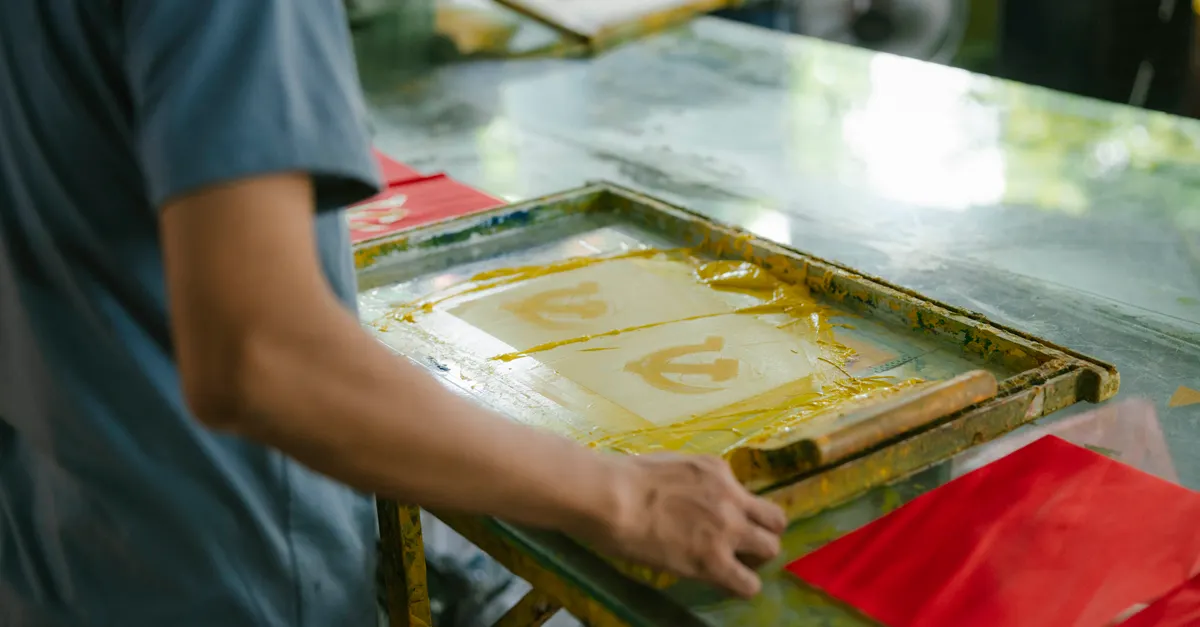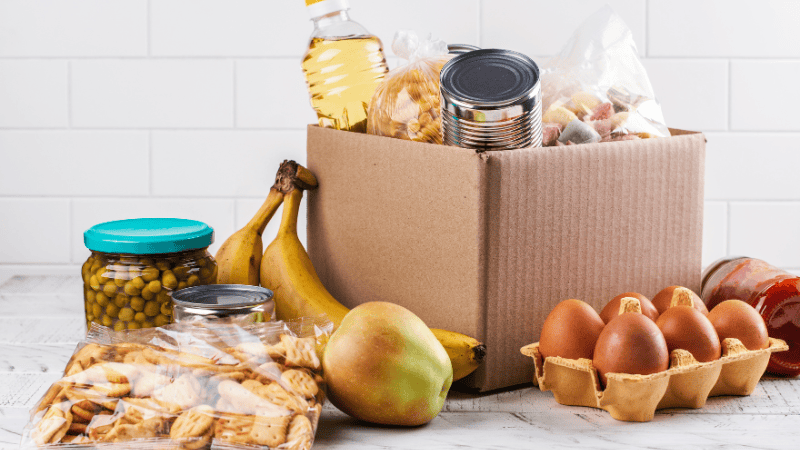
As consumer expectations for food safety and sustainability rise, understanding food-safe packaging coatings has become essential for manufacturers, brands, and even consumers. These specialized coatings play a crucial role in preserving product quality, extending shelf life, and ensuring that packaging materials do not contaminate the food they protect. Whether you’re a business owner, packaging designer, or simply interested in how your food stays fresh and safe, learning about these coatings can help you make informed decisions.
The world of food packaging is broad, with various materials and technologies designed to meet strict safety standards. Coatings are often the invisible layer that makes a difference, providing barriers against moisture, oxygen, oils, and even bacteria. They also help packaging withstand the rigors of transportation and storage, all while complying with regulatory requirements for direct food contact.
For a broader look at the packaging landscape, you might want to explore the types of food-safe packaging available for modern food businesses. Understanding the different packaging types can provide valuable context as you dive deeper into coatings and their applications.
What Are Food-Contact Safe Coatings?
Food-contact safe coatings are specialized layers applied to packaging materials that come into direct or indirect contact with food. Their primary function is to create a protective barrier, preventing the migration of harmful substances from the packaging into the food. These coatings must meet stringent safety and regulatory standards, ensuring they do not pose health risks or alter the taste, aroma, or appearance of the food product.
Common substrates that receive these coatings include paper, cardboard, plastics, metals, and glass. The coatings themselves can be made from a variety of materials, each chosen for its specific barrier properties and compatibility with the packaged food.
Types of Food-Safe Packaging Coatings
There are several categories of coatings used in the food industry, each serving a unique purpose. Below are some of the most widely used options:
- Water-Based Coatings: These are popular for their eco-friendly profile and low volatile organic compound (VOC) emissions. They are commonly used on paper and cardboard packaging to provide moisture resistance and a smooth finish.
- Polyethylene (PE) and Polypropylene (PP) Coatings: These plastics are often laminated onto paper or cardboard to create a strong moisture and grease barrier, especially for frozen foods and ready-to-eat meals.
- Wax Coatings: Used primarily for produce and bakery packaging, wax coatings offer a simple and cost-effective way to enhance moisture resistance and flexibility.
- Acrylic and Epoxy Coatings: These are typically used on metal cans and lids to prevent corrosion and protect food from direct contact with metal surfaces.
- Biopolymer and Compostable Coatings: As sustainability becomes a priority, coatings derived from renewable resources (such as PLA or chitosan) are gaining traction. They provide similar barrier properties while being industrially compostable or biodegradable.

Key Functions and Benefits of Protective Coatings
The main reason for applying protective layers to food packaging is to maintain food safety and quality. Here are some of the most important benefits:
- Barrier Protection: Coatings help block moisture, oxygen, grease, and other contaminants from reaching the food, which is essential for preserving freshness and preventing spoilage.
- Extended Shelf Life: By reducing the rate of oxidation and microbial growth, these coatings can significantly prolong the usable life of packaged foods.
- Improved Durability: Coatings add strength to packaging materials, making them more resistant to tears, punctures, and environmental stress during shipping and handling.
- Regulatory Compliance: Using certified coatings ensures that packaging meets local and international food safety standards, reducing the risk of recalls or legal issues.
- Enhanced Printability and Appearance: Some coatings provide a glossy or matte finish, improving the visual appeal of packaging and making it easier to apply branding or product information.
Regulations and Safety Standards for Food-Grade Coatings
All coatings intended for food contact must comply with regulations set by authorities such as the U.S. Food and Drug Administration (FDA), the European Food Safety Authority (EFSA), and other national agencies. These regulations specify which substances can be used, their allowable limits, and the required testing protocols.
Manufacturers must ensure that their coatings:
- Do not migrate harmful chemicals into food beyond established limits
- Are manufactured using Good Manufacturing Practices (GMP)
- Are traceable and documented for quality assurance
- Do not adversely affect the food’s taste, odor, or appearance
For more details on definitions, uses, and the importance of safe packaging, you can refer to resources like what is food-safe packaging.
Innovations and Trends in Eco-Friendly Food Packaging Coatings
With growing concerns about plastic waste and environmental impact, the industry is shifting toward more sustainable solutions. New developments include:
- Compostable and Biodegradable Coatings: Derived from plant-based materials, these coatings are designed to break down in composting facilities, reducing landfill waste.
- Edible Coatings: Some research is focused on coatings that can be safely consumed along with the food, such as those used on fruits and vegetables to extend freshness.
- Recyclable Barrier Layers: Advances in polymer science are enabling the creation of coatings that provide high barrier performance while remaining compatible with recycling streams.
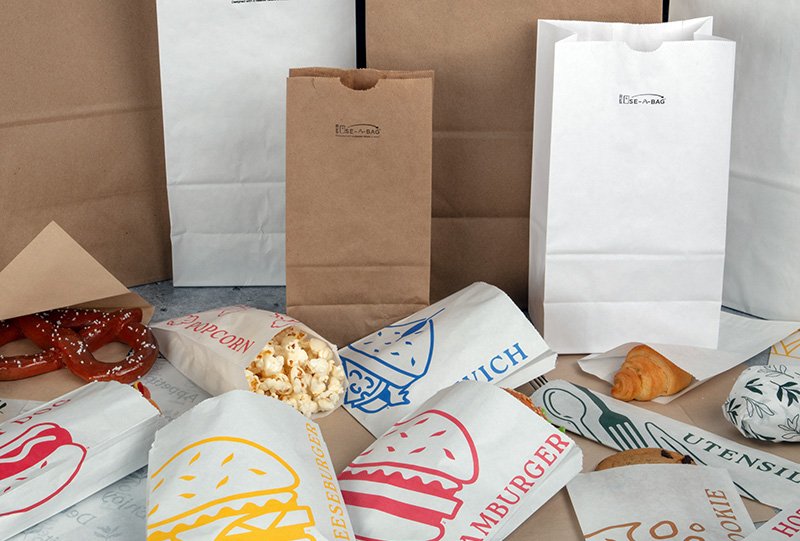
For a comprehensive overview of current solutions and industry best practices, you can read this complete guide to food-safe packaging solutions.
Choosing the Right Coating for Your Food Packaging
Selecting the most suitable coating depends on several factors:
- Type of Food: High-moisture, oily, or acidic foods may require different barrier properties.
- Packaging Material: The substrate (paper, plastic, metal, etc.) determines which coatings are compatible.
- Intended Shelf Life: Products with longer shelf lives need more robust protection.
- Environmental Considerations: If sustainability is a priority, look for compostable or recyclable options.
- Regulatory Requirements: Always verify that the chosen coating meets all relevant food safety regulations.
Collaborating with packaging suppliers and staying updated on regulatory changes can help ensure your products remain safe and compliant.
Frequently Asked Questions
What makes a packaging coating food-safe?
A coating is considered food-safe if it is formulated from materials approved for direct or indirect food contact by regulatory agencies like the FDA or EFSA. It must not transfer harmful substances to the food and should not alter the product’s taste, smell, or appearance.
Are compostable coatings as effective as traditional plastic coatings?
Compostable coatings have improved significantly in recent years and can offer similar moisture and oxygen barrier properties as some plastics. However, their performance may vary depending on the specific application and food type. It’s important to test and validate these coatings for your product’s needs.
How can I verify if a packaging coating complies with food safety regulations?
Always request documentation from your supplier, such as compliance certificates, migration test results, and details about the manufacturing process. Reputable suppliers will provide evidence that their coatings meet all applicable food safety standards.