Printing on technical textiles like waterproof and coated fabrics is a specialized process that requires careful planning and the right techniques. As outerwear continues to evolve with new materials and performance coatings, the demand for vibrant, durable prints on these challenging surfaces is growing. Whether you’re a designer, manufacturer, or print professional, understanding how to print on waterproof and coated fabrics is essential for delivering high-quality, long-lasting results.
This guide covers the unique properties of these textiles, explores the most effective printing methods, and provides practical tips for achieving crisp, resilient prints. If you’re interested in how these innovations relate to broader trends in textile technology, you may also want to read about what is the future of smart textiles and printing.
Understanding Waterproof and Coated Textiles
Before exploring printing on waterproof and coated fabrics, it’s important to understand what makes these materials different from standard textiles. These fabrics are engineered to repel water, resist stains, and often provide windproof or breathable properties. Common examples include polyester or nylon with polyurethane (PU), polyvinyl chloride (PVC), or durable water repellent (DWR) coatings.
The surface chemistry and structure of these fabrics can make ink adhesion challenging. Coatings are designed to prevent liquids from penetrating, which means standard textile inks may not bond well or may wash off quickly. This is why specialized inks and pre-treatment steps are often required for successful printing.
Key Challenges in Printing on Technical Outerwear Materials
Printing on these advanced textiles presents several unique obstacles:
- Ink Repellency: The very coatings that make fabrics waterproof can also repel printing inks, leading to poor adhesion.
- Heat Sensitivity: Some coatings can be damaged by high temperatures, limiting the use of certain heat-based printing methods.
- Flexibility and Durability: Prints must withstand stretching, folding, and exposure to the elements without cracking or fading.
- Breathability: Some printing techniques can block the microscopic pores that allow fabrics to breathe, reducing comfort and performance.

Popular Methods for Printing on Waterproof and Coated Fabrics
Several printing techniques have been adapted or developed specifically for use with coated and water-resistant textiles. Here are the most widely used methods:
Screen Printing with Specialized Inks
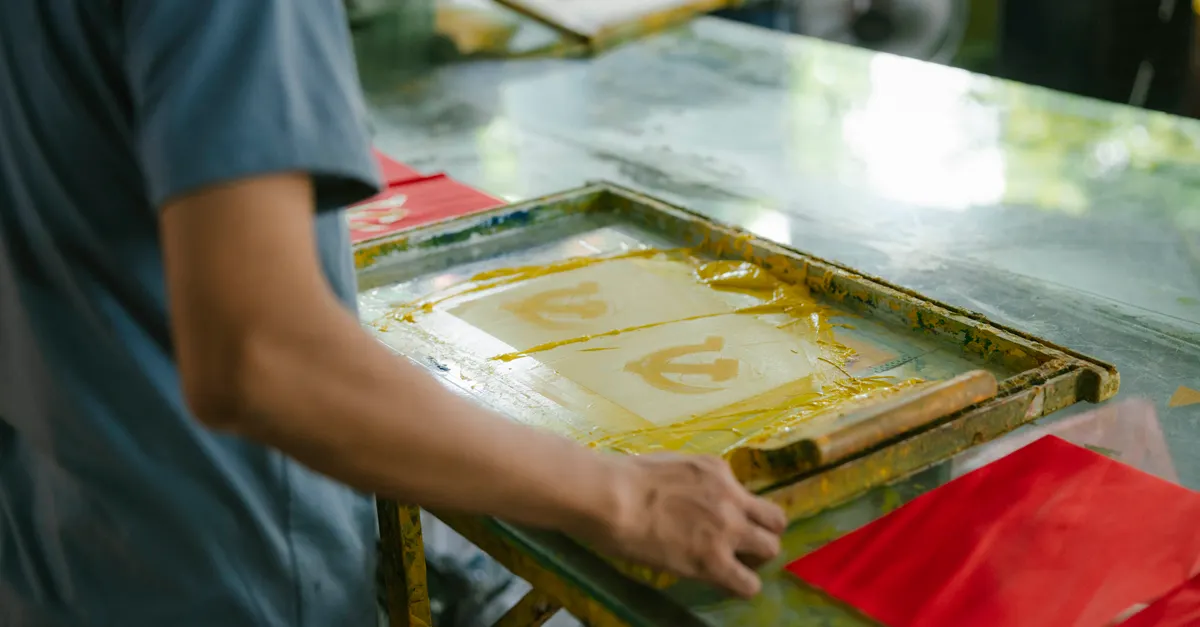
Screen printing remains a popular choice for outerwear, especially for bold graphics and logos. However, standard plastisol or water-based inks may not adhere well to coated surfaces. Instead, printers use specially formulated inks—such as solvent-based, polyurethane, or silicone inks—that are designed to bond with non-porous materials. Pre-treatments or primers may also be applied to improve adhesion.
Digital Printing and Dye Sublimation
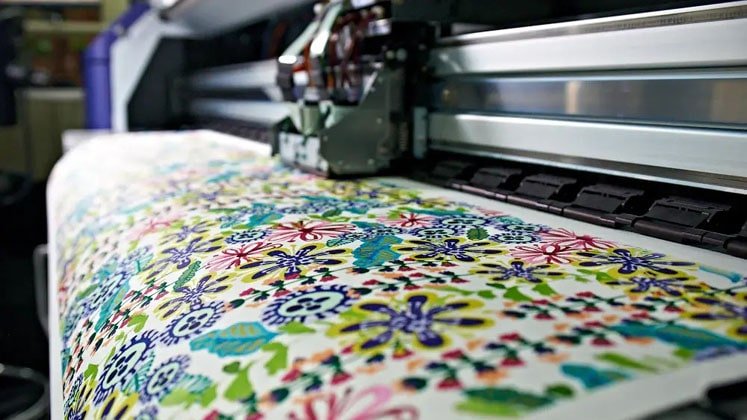
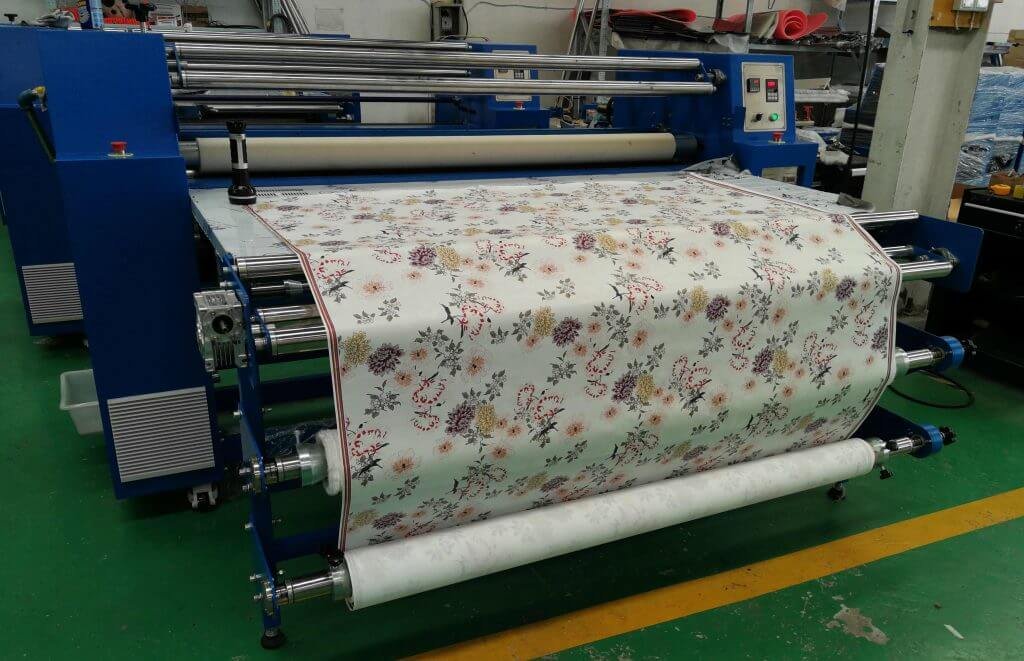
Advances in digital textile printing have made it possible to produce detailed, full-color designs on technical fabrics. Dye sublimation works well on polyester-based waterproof materials, as the dye becomes part of the fabric rather than sitting on top. However, the process requires the fabric to be receptive to sublimation dyes, and some coatings may block dye penetration. For more on the impact of digital printing, see this in-depth look at how digital textile printing is revolutionizing fabric production.
Heat Transfer Printing
Heat transfer methods, including vinyl transfers and digital transfer films, are often used for small runs or custom graphics. The key is to use transfer materials and adhesives compatible with coated surfaces and to carefully control temperature and pressure to avoid damaging the fabric’s finish.
Direct-to-Film (DTF) and UV Printing
Emerging technologies like direct-to-film (DTF) and UV-curable inkjet printing are gaining traction for their ability to print on a wide variety of coated and synthetic materials. These methods use inks that cure instantly or adhere strongly to non-porous surfaces, making them suitable for technical outerwear applications.
Preparation and Best Practices for Printing Success
Achieving high-quality, durable prints on waterproof and coated textiles requires careful preparation and process control. Here are some essential steps:
- Test the Fabric: Always conduct adhesion and wash tests on a sample of the actual fabric before full production.
- Clean the Surface: Remove dust, oils, or residues that could interfere with ink bonding. Some coatings may require a light abrasion or chemical pre-treatment.
- Choose the Right Ink: Select inks specifically designed for coated or waterproof textiles. Consult with your ink supplier for recommendations.
- Control Curing Conditions: Follow manufacturer guidelines for temperature and dwell time to ensure proper ink curing without damaging the fabric.
- Check for Flexibility: Ensure that printed areas remain flexible and do not crack when the fabric is stretched or folded.
Design Considerations for Outerwear Prints
When designing prints for technical outerwear, keep the following in mind:
- Coverage: Large solid areas of ink may reduce breathability. Consider using outlines, gradients, or patterns that minimize coverage.
- Color Fastness: Choose colors and inks that resist fading from UV exposure and repeated washing.
- Placement: Avoid seams, zippers, or high-stress areas where prints may be subject to abrasion or distortion.
Quality Control and Testing
Quality assurance is especially important when working with performance textiles. After printing, subject samples to accelerated washing, abrasion, and weathering tests to ensure longevity. Evaluate both the visual quality and the functional performance of the garment—prints should not compromise the waterproofness or breathability of the fabric.
For more insights on maintaining premium standards, see these tips for high-end luxury fabric printing.
Environmental and Sustainability Considerations
Many waterproof coatings are based on synthetic polymers, which can pose environmental challenges. When possible, select inks and processes that minimize emissions and waste. Some manufacturers are now offering eco-friendly coatings and water-based inks that are safer for both workers and the environment.
Localized and on-demand printing can also reduce waste and improve sustainability in fashion production. To learn more about these benefits, explore the benefits of localized printing for global brands.
Frequently Asked Questions
What is the best printing method for waterproof jackets?
The optimal method depends on the fabric and coating. Screen printing with specialized inks is common for bold graphics, while digital printing or dye sublimation works for detailed, full-color designs on compatible materials. Always test the method on a sample first.
Can you use regular textile inks on coated fabrics?
Standard textile inks typically do not adhere well to waterproof or coated surfaces. Specialized inks—such as solvent-based, polyurethane, or silicone inks—are formulated to bond with these materials and provide better durability.
How do you maintain print quality on technical outerwear?
Proper preparation, ink selection, and curing are essential. Always test for wash and abrasion resistance, and ensure that prints do not compromise the fabric’s waterproof or breathable properties. Regular quality checks throughout production help maintain high standards.
Conclusion
Printing on waterproof and coated textiles for outerwear is a complex but rewarding process. By understanding the unique challenges of these materials and applying the right techniques, you can achieve durable, vibrant prints that meet both aesthetic and performance requirements. Stay informed about new technologies and best practices to keep your outerwear designs at the forefront of innovation.