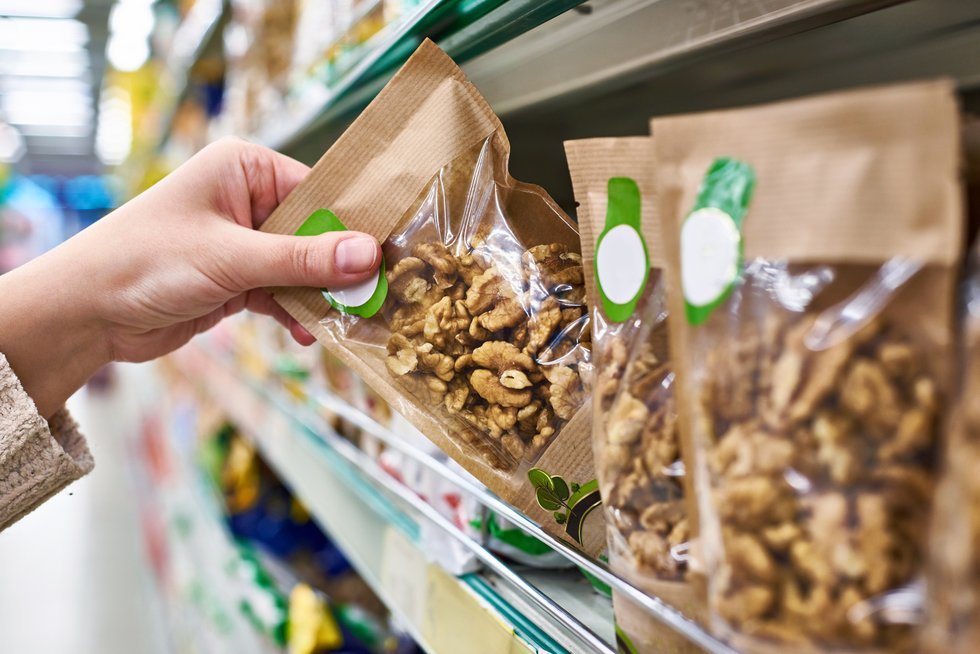
Understanding food-safe packaging for portion sizes is crucial for businesses and consumers alike. Whether you operate a restaurant, run a food delivery service, or simply want to keep your meals fresh and safe at home, the right packaging ensures food safety, maintains freshness, and helps with portion control. As food trends shift toward convenience and health, the demand for packaging that supports accurate serving sizes and complies with safety standards has never been higher.
Selecting the best packaging isn’t just about aesthetics or branding—it’s about preserving quality, preventing contamination, and meeting regulatory requirements. In this article, we’ll break down the essentials of food-safe packaging as it relates to portioning, explore material options, and offer practical tips for choosing the right solutions for your needs.
For those interested in how packaging innovations intersect with other industries, you might find value in learning about what is the future of smart textiles and printing, which explores advanced materials and printing methods relevant to packaging as well.
Why Portion Control Matters in Food Packaging
Portion control is more than a trend—it’s a necessity in today’s food industry. Properly sized packaging helps businesses manage costs, reduce waste, and provide customers with consistent servings. For consumers, it supports healthier eating habits and makes meal prep more convenient. When packaging is designed with precise portions in mind, it also helps meet nutritional labeling requirements and supports dietary goals.
From a safety perspective, using food-safe packaging for portion sizes reduces the risk of cross-contamination. Each portion is sealed and protected, minimizing exposure to air, moisture, and potential contaminants. This is especially important for ready-to-eat meals, snacks, and perishable items.
Key Features of Food-Safe Packaging for Portion Sizes
When evaluating packaging options for specific serving amounts, several features should be prioritized:
- Material Safety: Only use materials certified for direct food contact. Look for FDA, EU, or other relevant certifications.
- Seal Integrity: Packaging must create a reliable barrier to keep food fresh and prevent leaks or spills.
- Clear Portion Indicators: Containers should be sized or marked for standard servings, making it easy to portion accurately.
- Temperature Resistance: Choose packaging that can withstand freezing, microwaving, or oven use if needed.
- Easy Handling: Well-designed containers are stackable, easy to open, and resealable when appropriate.
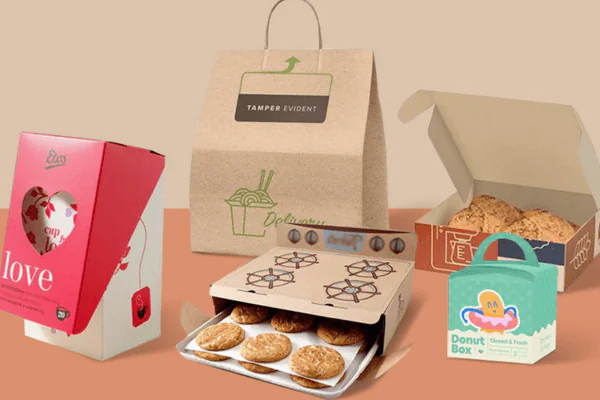
For businesses, these features not only enhance food safety but also improve operational efficiency and customer satisfaction.
Common Materials Used in Portion Packaging
The choice of material has a direct impact on both food safety and sustainability. Here are some of the most common options:
- Plastic: Widely used for its versatility, plastics like PET, PP, and HDPE are popular for single-serve containers. Look for BPA-free and recyclable options.
- Paperboard: Often used for dry foods or bakery items, coated paperboard can be both food-safe and compostable.
- Aluminum: Ideal for heat-and-serve meals, aluminum trays are oven-safe and provide an excellent barrier against light and moisture.
- Compostable/Biodegradable Materials: Made from plant fibers or bioplastics, these are increasingly popular for eco-friendly portion packaging.
- Glass: Used less frequently for single portions, but valued for its inertness and reusability in premium applications.
Each material has its pros and cons regarding cost, environmental impact, and suitability for different foods. The best choice depends on your product, distribution method, and sustainability goals.
Designing Packaging for Accurate Portion Sizes
Effective packaging design starts with understanding the serving size requirements for your product. Here are some practical considerations:
- Standardized Volumes: Use containers with pre-measured volumes (e.g., 100g, 250ml) for consistency.
- Compartmentalization: Multi-compartment trays are useful for meals with several components, keeping each portion separate and fresh.
- Visual Cues: Clear markings or fill lines help users portion food correctly, reducing guesswork.
- Labeling: Include serving size information and nutritional details on the packaging for transparency.
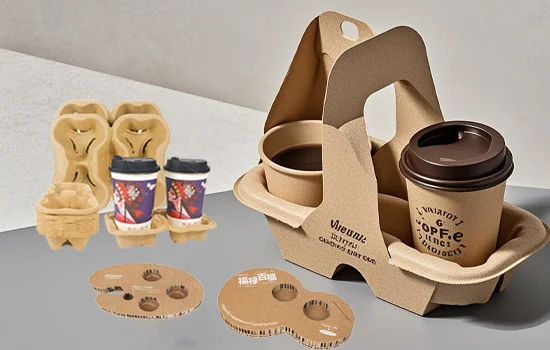
For businesses serving multiple markets, it’s important to consider regional serving size standards and labeling regulations to ensure compliance.
Benefits of Using Food-Safe Packaging for Portion Sizes
Adopting packaging designed for specific servings offers several advantages:
- Food Safety: Reduces the risk of contamination and spoilage by keeping portions sealed until use.
- Waste Reduction: Helps prevent over-serving and food waste by providing just the right amount per serving.
- Cost Control: Enables better inventory management and cost predictability for food producers and retailers.
- Consumer Convenience: Makes meal planning and on-the-go eating easier for end users.
- Brand Trust: Demonstrates a commitment to quality, safety, and transparency.
If you’re interested in broader packaging trends, you might also explore the complete guide to food-safe packaging solutions, which covers a wide range of safe packaging materials and practices.
Choosing the Right Portion Packaging for Your Needs
Selecting the best solution involves balancing safety, functionality, cost, and sustainability. Here are some steps to guide your decision:
- Assess Your Product: Consider the type of food, shelf life, and required storage conditions.
- Understand Your Market: Identify customer preferences for portion sizes and packaging formats.
- Evaluate Materials: Choose food-safe materials that align with your brand values and regulatory requirements.
- Test for Performance: Conduct shelf-life and transport tests to ensure packaging maintains food quality.
- Review Sustainability: Opt for recyclable, compostable, or reusable options where possible.
Working with a reputable packaging supplier can help you navigate certification requirements and find innovative solutions tailored to your business.
Frequently Asked Questions
What makes packaging “food-safe” for portioned foods?
Food-safe packaging is made from materials that do not leach harmful chemicals into food and are certified for direct contact. For portioned foods, it’s especially important that the packaging forms a secure barrier and maintains the integrity of each serving.
Are compostable containers suitable for all types of portioned foods?
Compostable containers are a great choice for many foods, especially dry or cold items. However, for hot, oily, or acidic foods, it’s essential to verify that the compostable material can withstand these conditions without breaking down or compromising food safety.
How can businesses ensure they are using the correct portion sizes in their packaging?
Businesses should use standardized containers, clear fill lines, and accurate labeling. Regular training for staff and periodic reviews of serving practices help maintain consistency and compliance with nutritional guidelines.
Conclusion
Selecting the right food-safe packaging for portion sizes is a key factor in delivering safe, high-quality, and convenient food products. By considering material safety, design features, and regulatory standards, businesses can provide reliable portion control that benefits both their operations and their customers. As the food industry continues to evolve, staying informed about packaging innovations and best practices will help you maintain a competitive edge and meet the growing expectations for safety, sustainability, and convenience.