Color bleeding is a persistent challenge in textile printing, affecting both the quality and durability of finished fabrics. When dyes migrate from one area of the fabric to another—especially during washing or exposure to moisture—the result can be blurred patterns, faded colors, and ruined designs. For professionals and hobbyists alike, understanding how to prevent color bleeding in printed textiles is essential for producing vibrant, long-lasting prints that meet industry standards.
This guide covers proven techniques and professional insights for minimizing dye migration, from fabric selection and pre-treatment to ink choice and post-printing care. Whether you’re running a small studio or managing large-scale production, these methods will help you achieve crisp, reliable results every time.
For those interested in the broader impact of advanced printing methods on the industry, what is the future of smart textiles and printing explores how innovation is shaping textile production and design.
Understanding Why Dye Migration Happens
Before diving into solutions, it’s important to know what causes color to bleed in printed fabrics. The main factors include:
- Fiber type: Natural fibers like cotton and viscose are more prone to dye migration than synthetics.
- Dye chemistry: Some dyes, especially those not properly fixed, dissolve easily in water or solvents.
- Printing process: Inadequate curing, incorrect ink application, or poor pre-treatment can all contribute to bleeding.
- Washing and care: Aggressive washing, high temperatures, and harsh detergents can encourage colors to run.
By addressing these factors at each stage of production, you can significantly reduce the risk of unwanted dye movement.
Fabric Selection and Pre-Treatment for Bleed Prevention
The foundation of any successful print starts with the right fabric and preparation. Here’s how to set yourself up for success:
- Choose high-quality, pre-shrunk fabrics: Pre-shrinking minimizes dimensional changes that can open up fibers and allow dyes to move.
- Use fabrics with tight weaves: Densely woven textiles are less likely to allow dye migration compared to loose weaves.
- Pre-wash and scour: Washing fabrics before printing removes sizing agents, oils, and impurities that can interfere with dye fixation.
- Apply appropriate pre-treatments: For digital and screen printing, chemical pre-treatments help bind dyes to fibers, improving wash fastness and reducing bleeding.
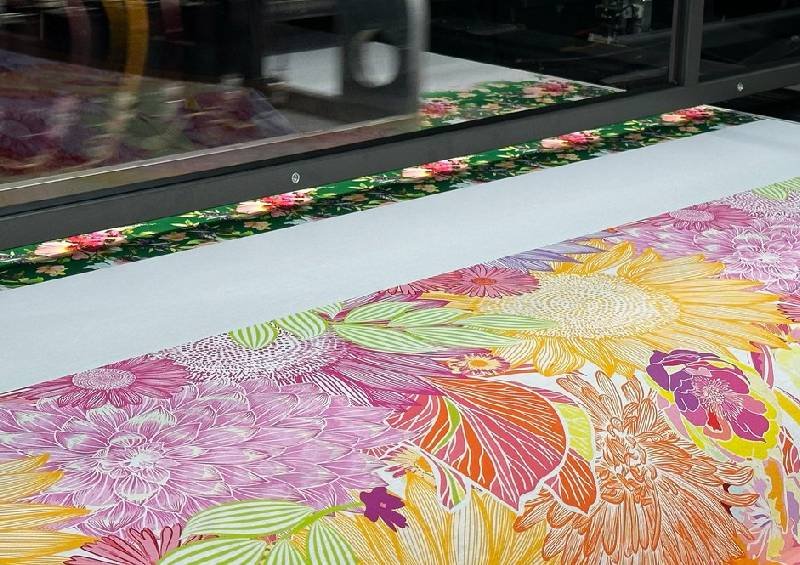
Professional Printing Techniques to Control Color Migration
Implementing industry-standard printing methods is crucial for controlling dye movement. Here are some pro-level strategies:
Optimizing Ink and Dye Selection
- Use high-quality, fiber-specific inks: Pigment inks are less likely to bleed than reactive or acid dyes, especially on cotton and blends.
- Select inks with proven wash fastness: Always check manufacturer data sheets for colorfastness ratings.
- Test new inks on sample swatches: Conduct wash and rub tests before full production runs.
Controlling Print Environment and Application
- Maintain optimal humidity and temperature: Excess moisture can cause dyes to spread before curing.
- Apply inks evenly and avoid over-saturation: Too much ink increases the risk of bleeding, especially on absorbent fabrics.
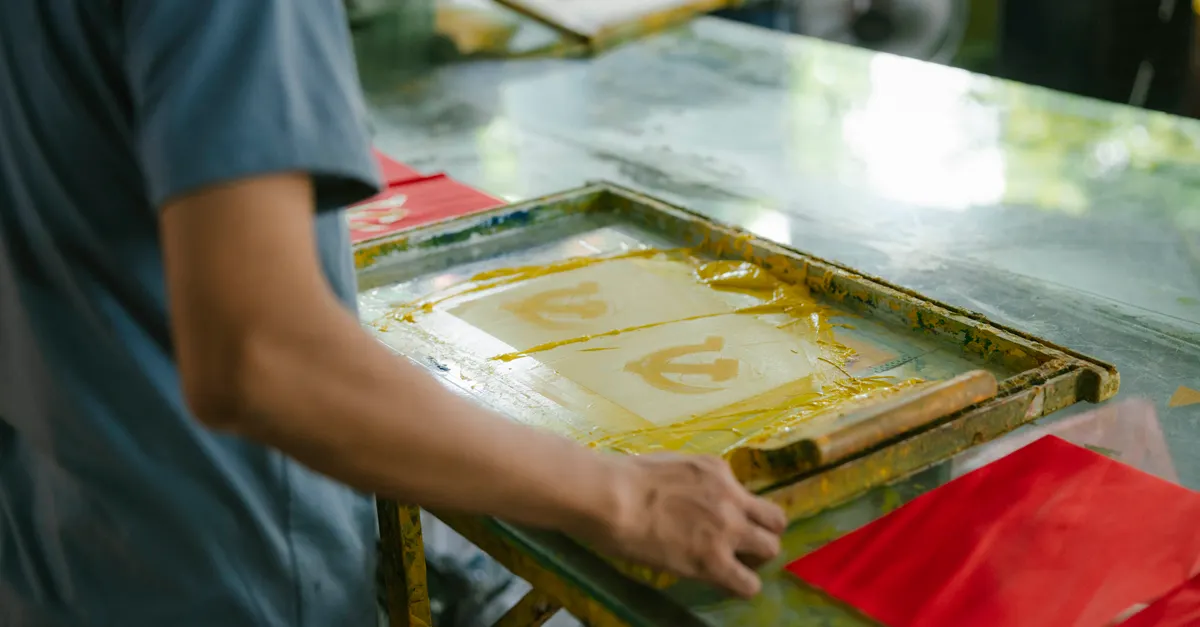
- Use precise registration and masking: For multi-color prints, proper alignment and barriers prevent colors from mixing at the edges.
Proper Curing and Fixation
- Follow recommended curing times and temperatures: Under-cured prints are more likely to bleed during washing.
- Use heat presses, tunnel dryers, or steamers: The right fixation method depends on your ink and fabric type.
- Monitor equipment regularly: Uneven heat or faulty machinery can compromise fixation and lead to inconsistent results.
Post-Printing Care: Washing and Handling Tips
Even with perfect printing, improper care can undo your hard work. To further guard against color migration:
- Advise gentle washing: Use cold water and mild detergents for the first few washes.
- Wash similar colors together: This prevents stray dyes from affecting lighter fabrics.
- Avoid soaking or leaving wet: Prolonged exposure to water increases the risk of bleeding.
- Air dry when possible: High heat can weaken dye bonds, especially in the early stages.
Communicate these care instructions to customers or end-users to help them maintain the vibrancy of their printed textiles.

Advanced Solutions for Consistent Results
For those seeking even greater control over color migration, consider these advanced options:
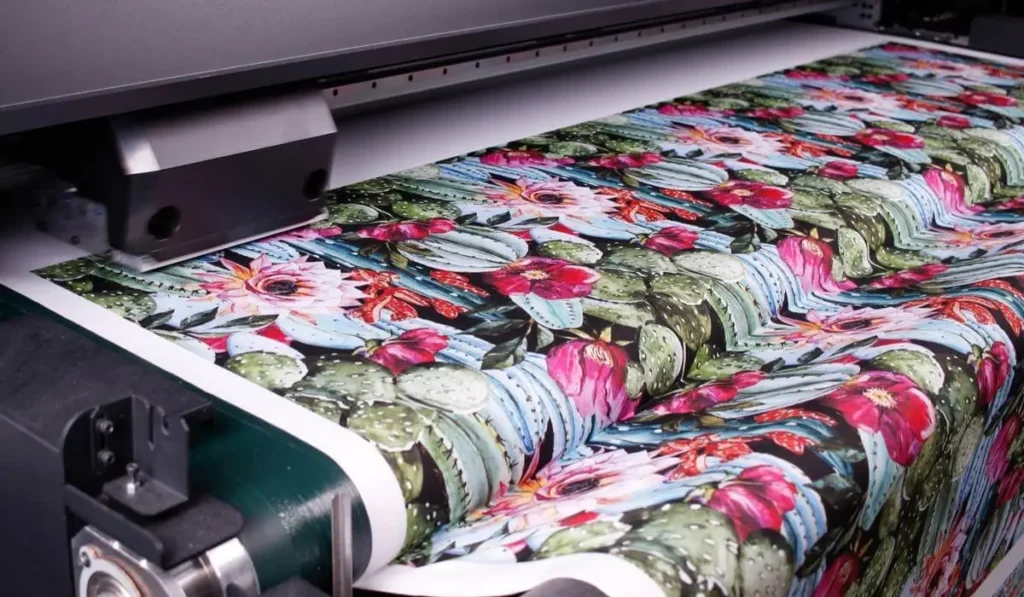
- Digital textile printing with eco-friendly inks: Modern digital systems offer precise ink placement and use formulations designed for minimal bleeding. Learn more about sustainable digital textile printing methods and their impact on quality.
- Custom pre-treatment recipes: Some manufacturers develop proprietary pre-treatments tailored to specific fabric and ink combinations, further reducing the risk of color migration.
- Automated quality control: Vision systems and wash test automation help catch issues early, ensuring only high-quality prints reach customers.
For small-scale producers, setting up a controlled studio environment can make a significant difference. If you’re interested in starting your own operation, see this resource on how to set up a small scale fashion printing studio.
Common Mistakes That Lead to Bleeding
Even experienced printers can encounter problems if certain steps are overlooked. Watch out for these common pitfalls:
- Skipping pre-wash or pre-treatment: This is one of the most frequent causes of dye migration.
- Using incompatible inks and fabrics: Not all inks work well with every fiber type.
- Rushing the curing process: Insufficient heat or time leads to poor dye fixation.
- Ignoring environmental factors: High humidity or temperature fluctuations can impact results.
By systematically addressing each stage of production, you can minimize the risk of color movement and ensure professional results.
FAQ: Preventing Color Migration in Textile Printing
What fabrics are least likely to experience color bleeding?
Synthetics like polyester, when printed with sublimation or pigment inks, are less prone to dye migration. Pre-treated and tightly woven cottons also perform well if processed correctly.
How can I test for potential bleeding before full production?
Always print a sample swatch and subject it to wash and rub tests. Check for color transfer onto adjacent fabrics or fading. Adjust your process if any bleeding occurs.
Are there eco-friendly methods for reducing color migration?
Yes. Many modern digital printing systems use water-based, low-impact inks and specialized pre-treatments that reduce bleeding while being environmentally responsible. For more on sustainable practices, see the section on digital textile printing above.
Can color bleeding be fixed after it happens?
Unfortunately, once dyes have migrated, it’s difficult to reverse the effect. Prevention through proper process control is far more effective than trying to correct bleeding after the fact.
Conclusion
Achieving sharp, vibrant prints on fabric requires a comprehensive approach to controlling dye migration. By focusing on fabric quality, pre-treatment, ink selection, precise printing, and careful post-printing care, you can consistently produce textiles that resist color bleeding and stand up to repeated use and washing. For those looking to stay ahead in the industry, exploring new technologies and sustainable practices will further enhance your results and reputation.