Printing vibrant, solid designs on black cotton garments is a challenge faced by both hobbyists and professionals in the textile industry. The dark background of black cotton tends to absorb or dull ink colors, making it difficult to achieve the desired opacity and brightness. Whether you’re screen printing, using direct-to-garment (DTG) technology, or experimenting with hybrid digital methods, understanding the right techniques and materials is essential for producing crisp, eye-catching prints that stand out on dark fabrics.
This guide explores the most effective strategies and technical considerations for obtaining opaque prints on black cotton. From ink selection and garment preparation to print layering and curing, each step plays a crucial role in the final result. If you’re interested in broader textile printing innovations, you might also want to read about what is the future of smart textiles and printing for additional context on where the industry is heading.
Understanding the Challenge of Printing on Black Cotton
Black cotton fabric poses unique obstacles for achieving opaque and vibrant prints. Unlike lighter textiles, black absorbs a significant amount of light and ink, making colors appear less vivid. Standard inks or single-pass printing methods often result in washed-out or semi-transparent images. To overcome this, printers must use specialized techniques and materials designed to enhance coverage and color intensity.
Key factors that impact print opacity on black cotton include:
- Ink formulation – Pigment density and opacity are crucial for covering dark backgrounds.
- Underbase layers – Applying a white or light underbase can dramatically improve color brightness.
- Print method – Screen printing, DTG, and hybrid digital approaches each require different adjustments for optimal results.
- Garment preparation – Proper pre-treatment ensures ink adhesion and durability.
Choosing the Right Inks and Materials for Opaque Results
Selecting the appropriate ink is one of the most important steps in how to achieve opaque prints on black cotton. Not all inks are formulated for high coverage on dark fabrics, so understanding the options is essential.
- Plastisol inks: Widely used in screen printing, these inks sit on top of the fabric and provide excellent opacity. They are ideal for bold, solid designs.
- Water-based inks: While eco-friendly and soft to the touch, standard water-based inks may lack the opacity needed for black cotton. However, high-opacity or discharge water-based inks can be effective when used with a white underbase.
- Pigment inks for DTG: Direct-to-garment printers require specially formulated pigment inks. For dark garments, a white ink underbase is typically printed first, followed by color layers.
Always check the manufacturer’s recommendations for ink compatibility with cotton and dark fabrics. Using the right mesh count for screens and ensuring proper ink viscosity also contribute to better coverage.
Optimizing Print Techniques for Maximum Opacity
Achieving solid, vibrant prints on black cotton requires more than just the right ink. The printing process itself must be carefully managed to ensure full coverage and durability.
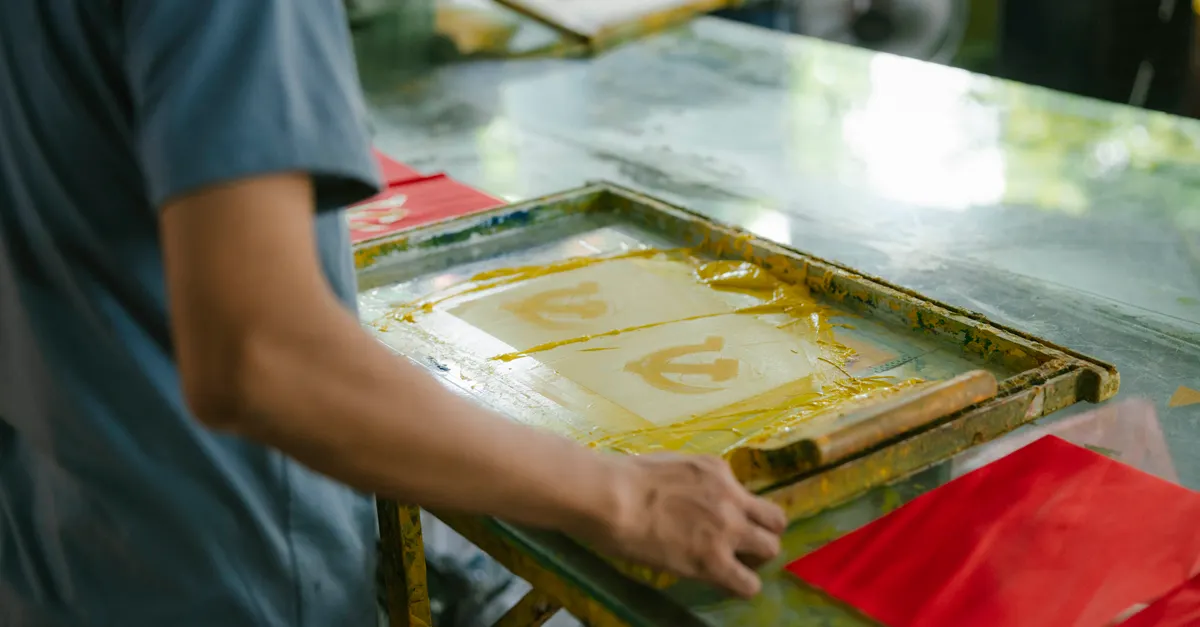
Screen Printing Strategies
- White Underbase: Lay down a solid white underbase layer before applying colored inks. This acts as a primer, allowing colors to appear true and vivid.
- Multiple Passes: For especially bold designs, use two passes of the underbase or color layers to build up opacity.
- Proper Curing: Ensure inks are fully cured according to manufacturer guidelines. Inadequate curing can cause fading or cracking.
Direct-to-Garment (DTG) Adjustments
- Pre-Treatment: Apply a pre-treatment solution to the black cotton before printing. This step is essential for white ink adhesion and prevents colors from soaking into the fabric.
- White Ink Layer: Most DTG printers automatically print a white underbase on dark garments, followed by the color design. Adjust settings for maximum white ink coverage without oversaturation.
- Ink Density Settings: Increase ink density in the printer’s software for more opaque results, but avoid excessive buildup that can impact feel and washability.
Hybrid and Digital Textile Printing
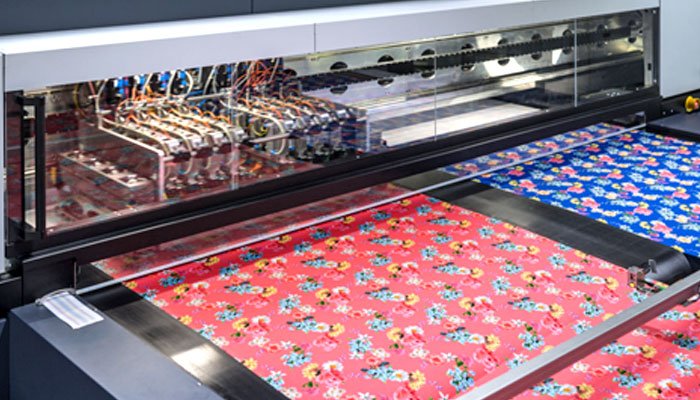
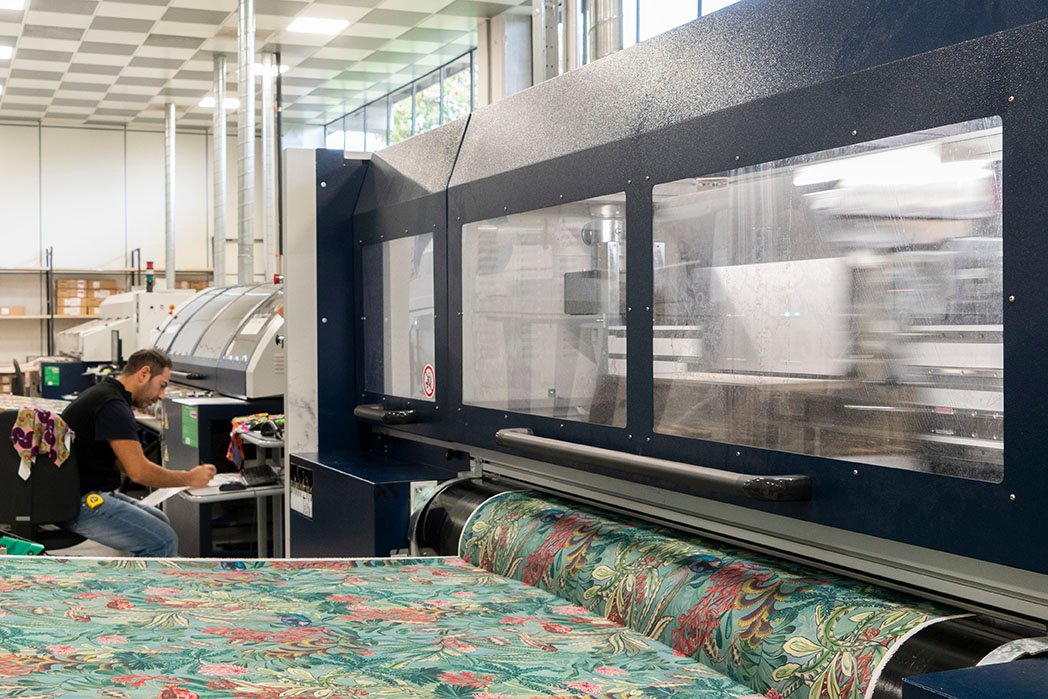
Newer digital and hybrid printing technologies offer advanced solutions for opaque prints on black cotton. These systems often combine the speed of digital printing with the coverage of screen printing, making them ideal for complex or multi-color designs. For more insights into digital textile printing, see this comprehensive overview of digital textile printing methods.

Garment Preparation and Finishing for Lasting Results
Even the best inks and printing techniques can fall short if the garment is not properly prepared. Pre-treatment, moisture control, and post-print finishing all play a role in the quality and longevity of your prints.
- Pre-Wash Garments: Washing black cotton t-shirts before printing removes sizing agents and contaminants that can interfere with ink adhesion.
- Apply Pre-Treatment Evenly: For DTG, use a spray or roller to apply pre-treatment solution evenly across the print area. Allow it to dry completely before printing.
- Heat Pressing: After printing, use a heat press to cure the ink and set the design. This step is vital for wash durability and colorfastness.
- Test Washes: Run test prints through several wash cycles to ensure the print remains opaque and vibrant.
Common Mistakes and How to Avoid Them
Many issues with print opacity on black cotton stem from avoidable mistakes. Here are some frequent problems and solutions:
- Insufficient Underbase: Skipping or applying a thin underbase results in dull colors. Always use a high-opacity white underbase for dark garments.
- Poor Ink Curing: Inadequate heat or time during curing can cause prints to fade or crack. Follow ink manufacturer instructions closely.
- Incorrect Pre-Treatment: Uneven or insufficient pre-treatment leads to patchy prints and poor wash durability. Apply pre-treatment consistently and allow it to dry fully.
- Low Ink Density: Using default or low ink density settings may not provide enough coverage. Adjust printer settings for maximum opacity without oversaturating the fabric.
Advanced Tips for Professionals
For those seeking to push the boundaries of opaque printing on black cotton, consider these advanced strategies:
- Hybrid Printing: Combine screen printing underbases with digital color layers for detailed, vibrant designs.
- Specialty Inks: Experiment with high-opacity plastisols, puff inks, or metallics for unique effects on dark garments.
- Mesh Selection: Use lower mesh counts (e.g., 110-160) for underbase layers to allow more ink deposit, and higher mesh for detail layers.
- Regular Maintenance: Keep screens, print heads, and equipment clean to avoid clogs and ensure consistent ink flow.
If you’re interested in setting up your own print studio, check out this guide on how to set up a small scale fashion printing studio for practical tips and equipment recommendations.
Frequently Asked Questions
What is the best ink type for printing on black cotton t-shirts?
Plastisol inks are generally considered the best for screen printing on black cotton due to their high opacity and ability to sit on top of the fabric. For DTG, use pigment inks with a white underbase for optimal results.
How can I prevent my prints from fading after washing?
Proper curing is essential. Use a heat press or conveyor dryer at the recommended temperature and duration for your ink type. Pre-washing garments and using quality pre-treatment solutions also help improve wash durability.
Is it possible to achieve soft-feel opaque prints on black cotton?
Yes. While plastisol inks are thick, water-based discharge inks with a white underbase can provide a softer hand feel while maintaining opacity. Hybrid printing methods also allow for soft, detailed prints with good coverage.
Conclusion
Producing opaque, vibrant prints on black cotton t-shirts requires careful attention to ink selection, garment preparation, and print technique. By using high-opacity inks, applying a solid underbase, and ensuring proper curing, you can achieve professional-quality results that stand out on dark fabrics. Regular testing and attention to detail will help you refine your process and consistently deliver eye-catching designs. For those looking to expand their skills, exploring new technologies and hybrid methods can open up even more creative possibilities in textile printing.