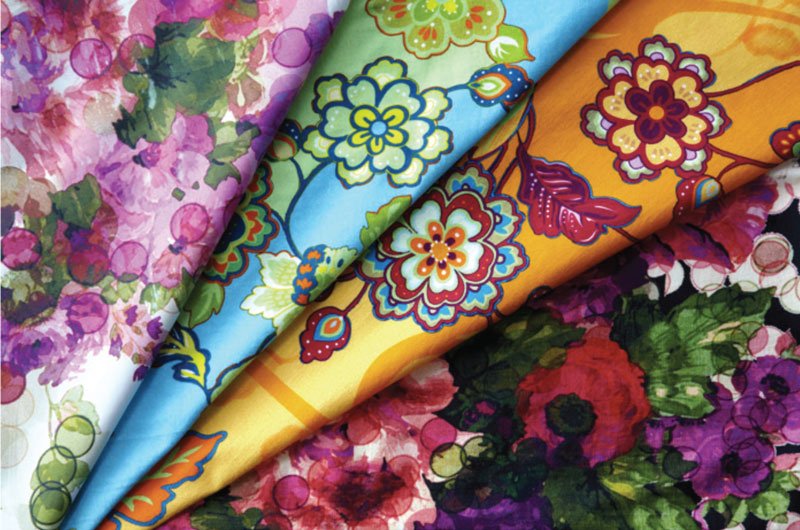
Digital textile printing has transformed the way designers, manufacturers, and hobbyists approach fabric decoration. With its ability to produce vibrant, detailed designs and accommodate short runs, digital printing is now a preferred method in both fashion and interior industries. However, the quality of the final print depends heavily on the fabric selected. Understanding how to choose the right fabric for digital printing is essential for achieving optimal results, whether you’re producing custom apparel, home décor, or art textiles.
Before diving into the technical aspects, it’s important to recognize that not all textiles are equally suited for digital processes. The compatibility between fabric type, ink chemistry, and end-use requirements will determine color vibrancy, wash durability, and tactile feel. If you’re interested in broader trends shaping this industry, you might also explore what is the future of smart textiles and printing for more context on innovation in textile technology.
Understanding Fabric Types for Digital Printing
The foundation of any successful digital print project is the fabric itself. Textiles can be broadly categorized into natural fibers (such as cotton, linen, and silk) and synthetic fibers (like polyester and nylon). Each category interacts differently with digital inks and printing technologies.
- Cotton: Highly absorbent and widely used, cotton is compatible with reactive and pigment inks. It’s ideal for garments, home textiles, and accessories.
- Polyester: This synthetic fiber is best paired with disperse or sublimation inks, making it popular for sportswear and banners due to its durability and colorfastness.
- Silk: Known for its luxurious feel, silk works well with acid and reactive inks, producing rich, vibrant prints for scarves and high-end fashion.
- Linen: With its natural texture, linen is suitable for home décor and fashion, though it may require pre-treatment for best results.
Blends, such as cotton-polyester, can also be used, but the dominant fiber will influence ink compatibility and print quality. When evaluating how to choose the right fabric for digital printing, always consider the fiber content and its interaction with your chosen ink system.
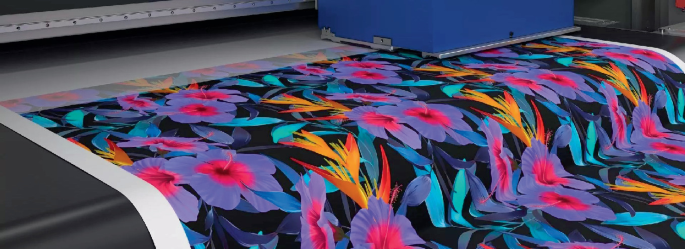
Ink Compatibility and Fabric Preparation
The success of digital textile printing relies on the compatibility between fabric and ink. There are several ink types used in the industry, including reactive, acid, disperse, sublimation, and pigment inks. Selecting the right combination is crucial:
| Ink Type | Best Suited Fabrics | Key Benefits |
|---|---|---|
| Reactive | Cotton, Linen, Viscose | Excellent color vibrancy and wash fastness |
| Acid | Silk, Wool, Nylon | Rich colors, soft hand feel |
| Disperse/Sublimation | Polyester, Blends | High durability, bright colors |
| Pigment | All fibers (with pre-treatment) | Versatile, eco-friendly, good for short runs |
Pre-treatment is another critical factor. Many fabrics require a coating or wash to enhance ink adhesion and prevent bleeding. For example, cotton often needs a pre-treatment for pigment inks, while polyester must be clean and free of finishes that could block dye uptake. Always check with your fabric supplier or printer for recommended preparation steps.
Assessing Fabric Weight, Texture, and End Use
Beyond fiber content and ink compatibility, the physical characteristics of the textile play a significant role in print outcomes. Consider the following:
- Weight: Lightweight fabrics like chiffon may require special handling to avoid distortion, while heavier canvas or twill can support bolder designs.
- Texture: Smooth surfaces yield sharper details, whereas textured weaves (like jacquard or waffle) can add depth but may reduce image clarity.
- End Use: The intended application—whether for apparel, upholstery, or signage—should guide your selection. Durability, washability, and feel are all important for the final product.
Matching the right textile to your project ensures that the print not only looks good but also performs as expected over time.
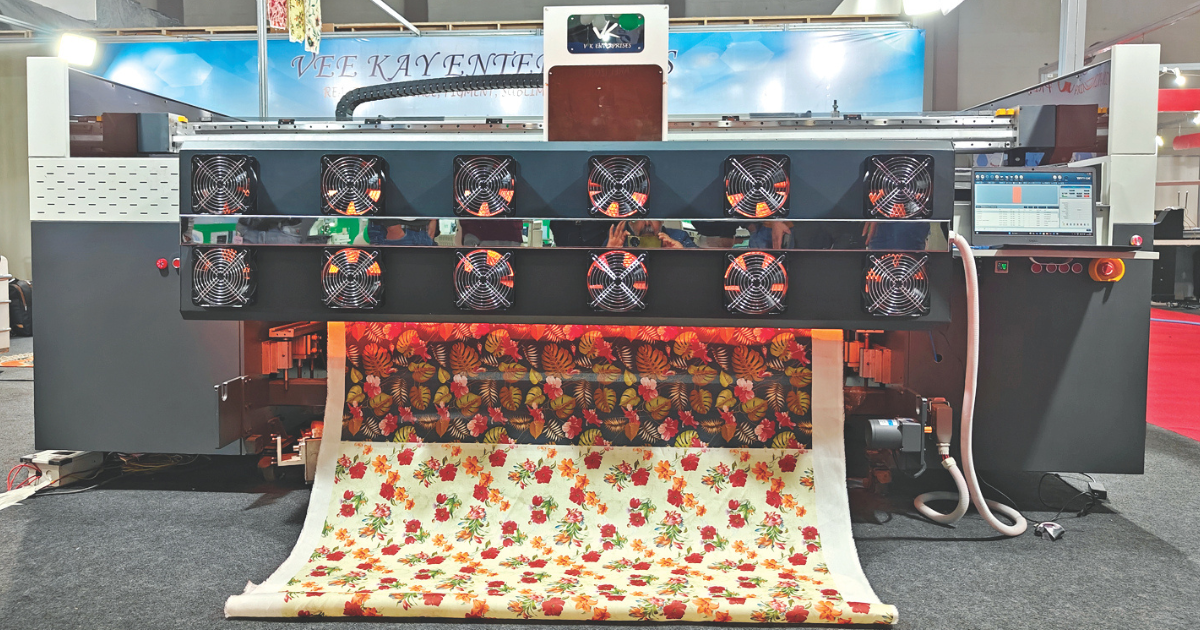
Testing and Sampling: Minimizing Risk in Fabric Selection
Even with careful planning, it’s wise to conduct test prints before committing to a large production run. Many variables—such as batch differences in fabric, environmental conditions, and printer settings—can affect the final result. Sampling allows you to:
- Evaluate color accuracy and vibrancy
- Check for issues like bleeding, ghosting, or uneven coverage
- Assess hand feel and drape after printing and finishing
- Test wash and rub fastness for durability
Working closely with your print provider or running small-scale tests in-house can help you fine-tune your process and avoid costly mistakes.
Environmental and Sustainability Considerations
As sustainability becomes a priority in the textile industry, fabric selection for digital printing also involves environmental factors. Digital processes already offer advantages—such as reduced water and chemical use—compared to traditional methods. However, you can further minimize impact by choosing:
- Organic or recycled fibers
- Fabrics certified by standards like GOTS or OEKO-TEX
- Low-impact inks and pre-treatments
- Suppliers with transparent, ethical sourcing
For a deeper dive into digital fabric printing technology and its sustainable benefits, see this comprehensive overview of digital fabric printing.
Common Challenges and How to Overcome Them
Choosing the optimal textile for digital printing can present challenges, especially for newcomers. Some of the most frequent issues include:
- Color mismatch: Colors may appear different on fabric compared to the digital design. Always use color profiles and test prints to calibrate.
- Ink migration: On certain synthetics, ink can spread or blur. Proper pre-treatment and controlled curing help prevent this.
- Fabric shrinkage: Some natural fibers may shrink during post-print washing or heat setting. Pre-wash fabrics to stabilize them before printing.
- Surface imperfections: Knots, slubs, or uneven weaves can disrupt print clarity. Inspect fabric rolls before use and select higher grades for detailed work.
By anticipating these issues and working with experienced suppliers, you can achieve consistent, high-quality results.
Integrating Digital Printing into Your Workflow
Whether you’re a designer, manufacturer, or small business owner, integrating digital printing starts with understanding your project requirements and fabric options. Consider factors such as production volume, turnaround time, and budget. For those interested in setting up their own operations, resources like how to set up a small scale fashion printing studio provide practical guidance for getting started with digital textile printing at home or in a studio environment.
Frequently Asked Questions
What fabrics are most compatible with digital textile printing?
The most compatible fabrics are those with high absorbency and smooth surfaces, such as cotton, silk, and polyester. Each fiber type works best with specific ink chemistries—cotton with reactive or pigment inks, polyester with disperse or sublimation inks, and silk with acid or reactive inks. Always check ink and fabric compatibility before starting a project.
Do I need to pre-treat fabric before digital printing?
Pre-treatment is often necessary to ensure optimal ink adhesion and color vibrancy. The need for pre-treatment depends on the fabric and ink type. For example, cotton usually requires pre-treatment for pigment inks, while polyester must be free of finishes that could block dye uptake. Consult your fabric supplier or printer for specific recommendations.
How can I ensure my prints are durable and colorfast?
To achieve durable, colorfast prints, select the right combination of fabric and ink, follow recommended pre-treatment and curing processes, and test wash and rub fastness before full production. Using high-quality textiles and inks, along with proper finishing, will help your prints withstand repeated use and laundering.