Launching a new food business comes with a host of challenges, and one of the most critical is choosing the right food-safe packaging for startups. The packaging you select not only protects your product but also ensures regulatory compliance, builds consumer trust, and shapes your brand identity. For entrepreneurs entering the food industry, understanding the basics of safe packaging materials, labeling requirements, and sourcing options is essential for long-term success.
In this guide, you’ll find practical advice on selecting compliant packaging, an overview of key materials, and tips for balancing safety, cost, and branding. We’ll also highlight important resources and link to related topics, such as what is the future of smart textiles and printing, to help you stay informed about innovations that could impact your business.
Why Food-Safe Packaging Matters for New Businesses
For any startup in the food sector, packaging is more than just a container—it’s a vital part of your product’s safety and marketability. Food-safe packaging for startups must meet strict standards to prevent contamination, preserve freshness, and comply with health regulations. Failing to use compliant materials can lead to recalls, legal issues, and damage to your brand reputation.
Consumers are increasingly aware of food safety and sustainability. Transparent labeling, tamper-evident features, and eco-friendly materials can influence purchasing decisions. For startups, investing in proper packaging from the beginning helps establish trust and sets the stage for growth.
Key Regulations and Compliance Requirements
Understanding the regulatory landscape is crucial when selecting packaging for your food business. In most countries, food packaging must adhere to specific guidelines set by government agencies such as the FDA (U.S.), EFSA (Europe), or CFIA (Canada). These regulations cover:
- Material safety: Only approved materials that do not leach harmful substances into food are permitted.
- Labeling: Accurate ingredient lists, allergen warnings, and nutritional information are mandatory.
- Traceability: Packaging should allow for easy tracking in case of recalls.
Staying up-to-date with these requirements is essential. Startups should consult with packaging suppliers who are familiar with food safety laws and can provide documentation proving compliance.
Types of Food-Safe Packaging Materials
Choosing the right material depends on your product type, shelf life, and branding goals. Here are some common options for new food businesses:
- Plastic: Widely used for its versatility and durability. Look for BPA-free and recyclable plastics approved for food contact.
- Glass: Non-reactive and excellent for preserving flavor, but heavier and more expensive to ship.
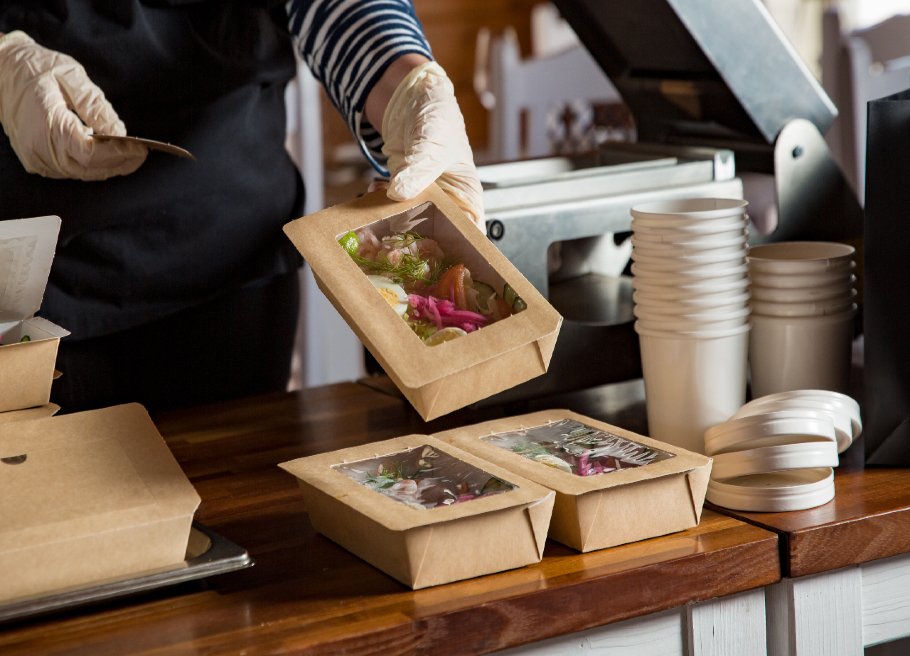
- Paper and cardboard: Popular for dry foods and baked goods. Ensure coatings or linings are food-grade.
- Metal: Cans and foils offer strong protection and long shelf life, especially for beverages and canned goods.
- Compostable and biodegradable materials: Increasingly favored by eco-conscious startups, but must still meet food safety standards.
Each material has its pros and cons regarding cost, sustainability, and suitability for different food types. Consider your product’s needs and your target market when making a selection.
How to Source Safe and Compliant Packaging
Finding reliable suppliers is a key step for new food brands. Look for vendors who specialize in food-safe packaging for startups and can provide certificates of compliance. Request samples and test them with your product to ensure compatibility.
It’s also wise to ask about minimum order quantities, lead times, and customization options. Many suppliers offer low-volume runs or digital printing, which can help startups manage costs while maintaining professional branding. For more on how digital printing can benefit small businesses, see our article on how to set up a small scale fashion printing studio.
Branding and Customization for Startup Packaging
Packaging is a direct reflection of your brand. Custom labels, unique shapes, and eye-catching graphics can help your product stand out on the shelf. Many startups use digital printing or short-run packaging services to create professional designs without large upfront investments.
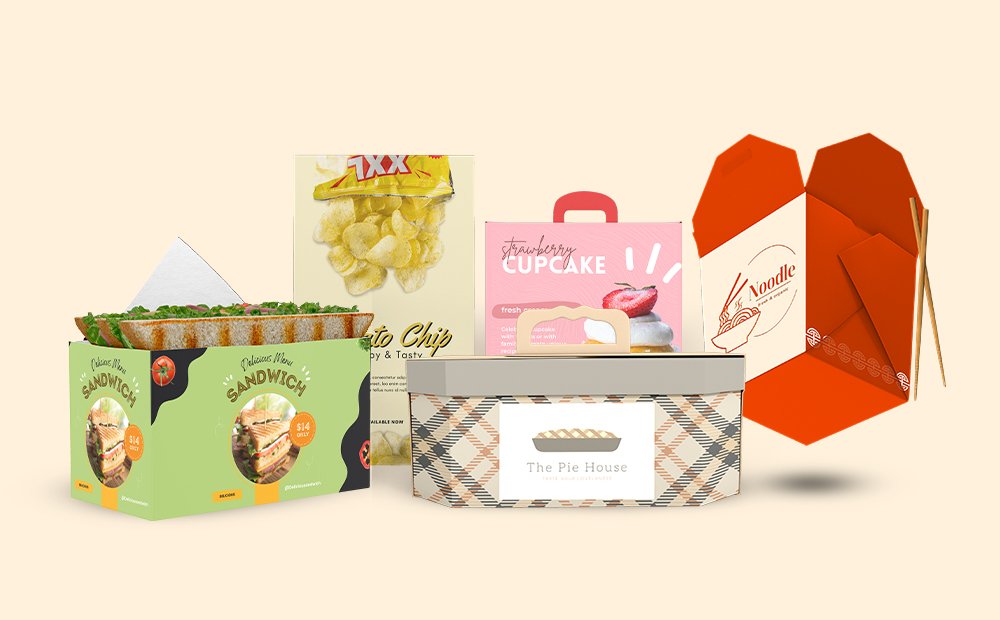
When designing your packaging, keep in mind both regulatory requirements and consumer appeal. Use clear fonts for ingredient lists, include all mandatory information, and consider adding QR codes for traceability or marketing purposes.
Balancing Safety, Sustainability, and Cost
One of the biggest challenges for new food businesses is balancing food safety, environmental impact, and budget constraints. While sustainable materials are attractive to consumers, they can be more expensive or less readily available. However, investing in high-quality, safe packaging can prevent costly recalls and build long-term customer loyalty.
Startups should evaluate packaging options based on total cost of ownership, including storage, shipping, and disposal. Consider working with suppliers who offer eco-friendly alternatives that still meet food safety standards. For a deeper look at what makes packaging food-grade, see this comprehensive guide to food-grade packaging.
Common Mistakes to Avoid When Choosing Packaging
Many new food businesses make avoidable errors when selecting packaging. Some of the most frequent mistakes include:
- Using non-compliant or untested materials that could contaminate food.
- Overlooking labeling requirements, leading to regulatory issues.
- Choosing packaging that doesn’t match the product’s shelf life or storage needs.
- Ignoring consumer preferences for sustainable or tamper-evident features.
- Failing to consider the impact of packaging on shipping costs and product integrity.
By planning ahead and consulting with experienced suppliers, startups can avoid these pitfalls and set their products up for success.
Frequently Asked Questions
What materials are considered food-safe for packaging?
Food-safe materials include certain plastics (such as PET, HDPE, and PP), glass, food-grade paper and cardboard, metals like aluminum and tin, and certified compostable materials. Always verify that the packaging is labeled as food-grade and meets local regulatory standards.
How can startups ensure their packaging is compliant?
Work with reputable suppliers who provide documentation and certifications for food safety. Stay informed about local and international regulations, and ensure all labeling and traceability requirements are met. Testing packaging with your product before launch is also recommended.
Are sustainable packaging options available for small food businesses?
Yes, many suppliers now offer compostable, biodegradable, and recyclable packaging options suitable for startups. While these can be more expensive, they appeal to eco-conscious consumers and can differentiate your brand in the market.
Choosing the right packaging is a foundational step for any new food business. By prioritizing safety, compliance, and smart branding, startups can protect their products and build lasting customer trust.