Reactive printing is a widely used technique in the textile industry, especially for decorating natural fabrics such as cotton, linen, and viscose. This process leverages the unique chemistry of reactive dyes to create vibrant, long-lasting prints that are both wash-fast and colorfast. Understanding how reactive printing works on natural fibers is essential for textile professionals, designers, and anyone interested in modern fabric decoration methods.
In this guide, we’ll break down the science behind reactive printing, outline each step of the workflow, and discuss the advantages and challenges of using this method on plant-based textiles. We’ll also touch on the latest innovations and provide helpful resources for further exploration. For those interested in broader applications and future trends, you may also want to explore what is the future of smart textiles and printing for a deeper look at how printing technologies are evolving.
The Fundamentals of Reactive Printing on Cellulosic Fabrics
At its core, reactive printing is a process where reactive dyes form a covalent bond with the cellulose molecules in natural fibers. This chemical reaction ensures that the dye becomes an integral part of the fabric, resulting in prints that resist fading and washing out. The process is especially suited for cotton, linen, and other cellulose-rich textiles.
The term “reactive” refers to the dye’s ability to react with the fiber under the right conditions. Unlike pigment printing, where color sits on the surface, reactive dyes penetrate the fiber, providing superior softness and durability.
Key Steps in the Reactive Printing Workflow
To understand how reactive printing works on natural fibers, it’s helpful to break down the process into its main stages:
- Fabric Preparation: The fabric is first scoured and bleached to remove impurities, oils, and waxes. This ensures even dye uptake and prevents defects.
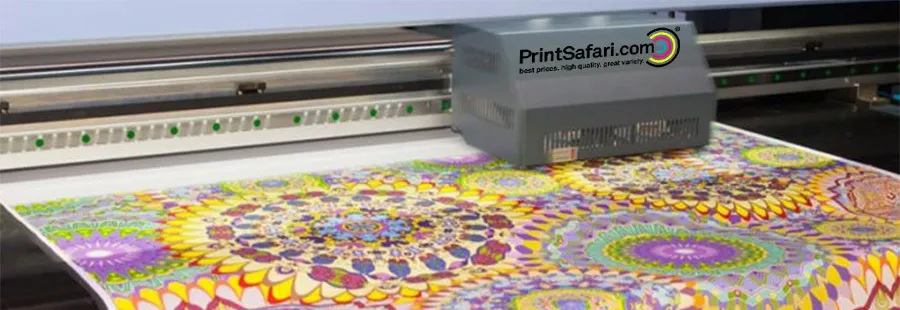
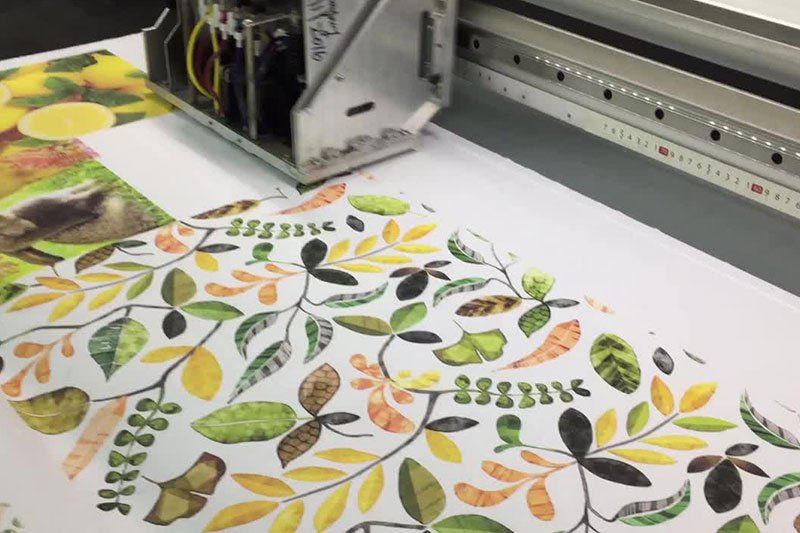
- Application of Print Paste: A print paste is prepared by mixing reactive dyes with thickeners, water, urea, and other chemicals. The paste is then applied to the fabric using screen printing, digital inkjet, or rotary printing methods.
- Fixation (Steaming): After printing, the fabric is steamed at high temperatures. This step activates the dye, allowing it to chemically bond with the cellulose in the fiber.
- Washing and Soaping: The printed fabric is thoroughly washed to remove unfixed dye, thickeners, and chemicals. Soaping ensures that only the bonded dye remains, resulting in bright, clean prints.
- Finishing: The fabric is dried and may undergo additional finishing processes to enhance softness, handle, or performance.
Chemistry Behind the Process: How Dyes Bond with Fibers
The effectiveness of reactive printing lies in the chemical interaction between the dye and the fiber. Reactive dyes contain functional groups (such as monochlorotriazine, dichlorotriazine, or vinyl sulfone) that react with the hydroxyl groups in cellulose under alkaline conditions. This reaction forms a strong covalent bond, making the color part of the fiber itself.
The fixation process is typically aided by heat and moisture, which accelerate the reaction. Urea and alkali (like sodium carbonate) are often added to the print paste to facilitate dye penetration and fixation.
Advantages of Using Reactive Printing for Natural Textiles
There are several reasons why this method is preferred for cellulosic fabrics:
- Excellent Wash and Light Fastness: Because the dye is chemically bonded, prints remain vibrant after repeated washing and exposure to light.
- Soft Hand Feel: The dye penetrates the fiber, so the fabric retains its natural softness and breathability.
- Wide Color Gamut: Reactive dyes offer a broad spectrum of shades, enabling intricate and colorful designs.
- Eco-Friendly Options: Modern advancements have led to more sustainable dyes and processes, reducing water and chemical usage.
Challenges and Considerations in Reactive Dye Printing
While reactive printing offers many benefits, it also presents certain challenges:
- Water and Energy Consumption: The process requires significant water for washing and energy for steaming, which can impact sustainability.
- Effluent Treatment: Wastewater from washing contains residual dyes and chemicals, necessitating proper treatment to minimize environmental impact.
- Process Complexity: Achieving consistent results requires precise control of temperature, pH, and timing throughout the workflow.
Despite these challenges, ongoing research and technological improvements are making the process more efficient and environmentally friendly.
Modern Innovations in Reactive Printing Technology
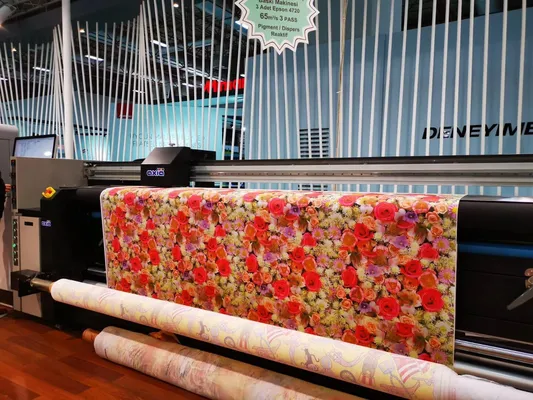
Digital printing has revolutionized the way reactive dyes are applied to natural fabrics. Inkjet printers designed for textiles can deposit precise amounts of dye, enabling detailed patterns and reducing waste. Pre-treatment and post-treatment steps have also become more streamlined, allowing for faster turnaround and lower resource consumption.
For an in-depth overview of digital textile printing and its impact on the industry, you can read this comprehensive article on digital textile printing technology.
Applications and Use Cases for Cellulose-Based Fabrics
Reactive printing is commonly used for:
- Fashion and Apparel: T-shirts, dresses, scarves, and other garments made from cotton and linen often feature reactive prints for their durability and vibrancy.
- Home Textiles: Bed linens, curtains, and upholstery fabrics benefit from the wash-fastness and color clarity of this method.
- Accessories: Bags, handkerchiefs, and other accessories made from natural fibers are frequently decorated using reactive dyes.
As the demand for sustainable and high-quality textiles grows, the role of reactive printing in the industry is expected to expand further.
Comparing Reactive Printing with Other Textile Printing Methods
It’s helpful to understand how this technique compares to other popular methods:
| Printing Method | Suitable Fibers | Color Fastness | Hand Feel | Environmental Impact |
|---|---|---|---|---|
| Reactive Printing | Cotton, Linen, Viscose | High | Soft | Moderate (improving with new tech) |
| Pigment Printing | All fibers | Medium | Stiffer | Lower water use |
| Disperse Dye Printing | Polyester | High | Soft | Moderate |
For those interested in experimenting with other materials, such as cork or synthetics, see this resource on how to print on cork and non-traditional materials.
Frequently Asked Questions
What makes reactive printing different from pigment printing?
Reactive printing chemically bonds the dye to the fiber, resulting in vibrant, wash-fast colors and a soft hand feel. Pigment printing, on the other hand, uses color particles that sit on the fabric’s surface, which can lead to a stiffer texture and less durability after washing.
Can reactive dyes be used on synthetic fabrics?
No, reactive dyes are specifically designed for cellulose-based fibers like cotton, linen, and viscose. Synthetic fibers such as polyester require disperse dyes or other specialized chemistries for effective coloration.
Is reactive printing environmentally sustainable?
While traditional reactive printing can consume significant water and chemicals, recent advancements in digital printing, closed-loop washing, and eco-friendly dyes are making the process more sustainable. Choosing suppliers who invest in water treatment and resource-efficient technologies further reduces environmental impact.
Conclusion
Understanding how reactive printing works on natural fibers helps textile professionals and enthusiasts make informed decisions about fabric decoration. By leveraging the unique chemistry of reactive dyes, manufacturers can produce high-quality, durable, and beautiful prints on cotton, linen, and other plant-based materials. As technology advances, expect to see even more efficient, sustainable, and creative applications of this versatile printing method.