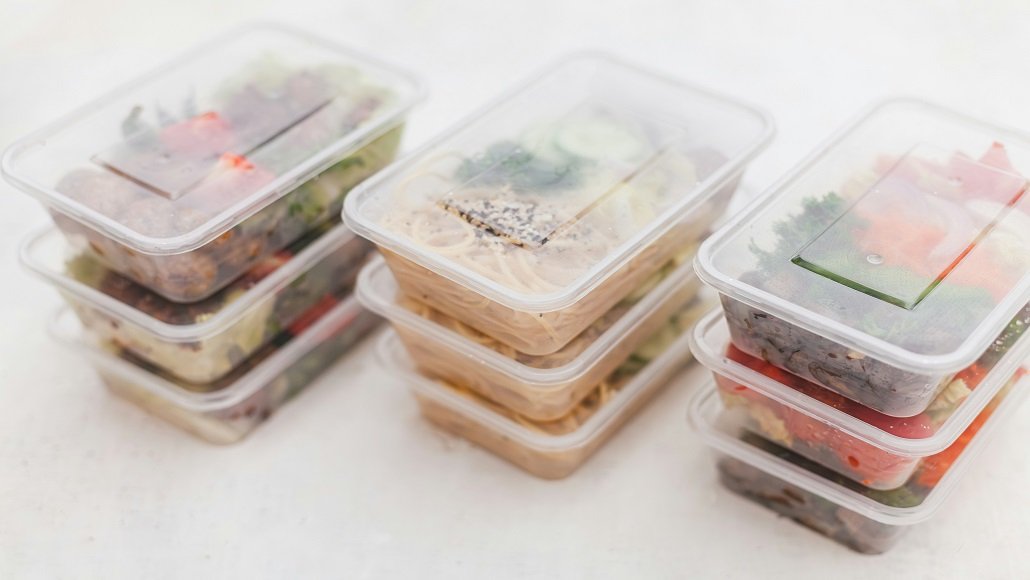
Ensuring that food reaches consumers in a safe, uncontaminated state is a top priority for anyone involved in food production, processing, or distribution. Food-safe packaging best practices are essential for protecting public health, maintaining product quality, and meeting regulatory requirements. Whether you operate a restaurant, run a food manufacturing facility, or manage a retail food business, understanding the key principles behind safe packaging can help prevent costly recalls and build trust with customers.
In this article, we’ll break down the most important guidelines for selecting, handling, and storing food packaging materials. You’ll also find practical tips for compliance and learn how packaging choices can impact both safety and sustainability. For those interested in how packaging innovation intersects with other industries, you might also explore what is the future of smart textiles and printing for insights into advanced materials and printing technologies.
Why Food-Safe Packaging Matters
Food packaging serves as the first line of defense against contamination, spoilage, and physical damage. When packaging is not designed or handled according to food-safe packaging best practices, it can introduce harmful chemicals, pathogens, or allergens into the food supply. This not only puts consumers at risk but can also lead to regulatory penalties, product recalls, and loss of brand reputation.
Regulatory agencies such as the FDA and EFSA set strict guidelines for materials and processes used in food packaging. Adhering to these standards is not just about compliance—it’s about ensuring every product that reaches the consumer is safe to eat.
Key Principles of Safe Food Packaging
There are several core principles that underpin effective food packaging safety:
- Material Selection: Only use materials that are certified as food-grade and free from harmful substances like BPA, phthalates, or heavy metals.
- Barrier Protection: Packaging should provide adequate barriers to moisture, oxygen, light, and contaminants, depending on the type of food.
- Clean Manufacturing: Facilities must follow Good Manufacturing Practices (GMPs) to prevent cross-contamination during production and packaging.
- Proper Labeling: All packaging should be clearly labeled with relevant information, including allergens, expiration dates, and handling instructions.
- Traceability: Packaging should support traceability, allowing products to be tracked through the supply chain in case of recalls or quality issues.
Choosing the Right Food-Grade Materials
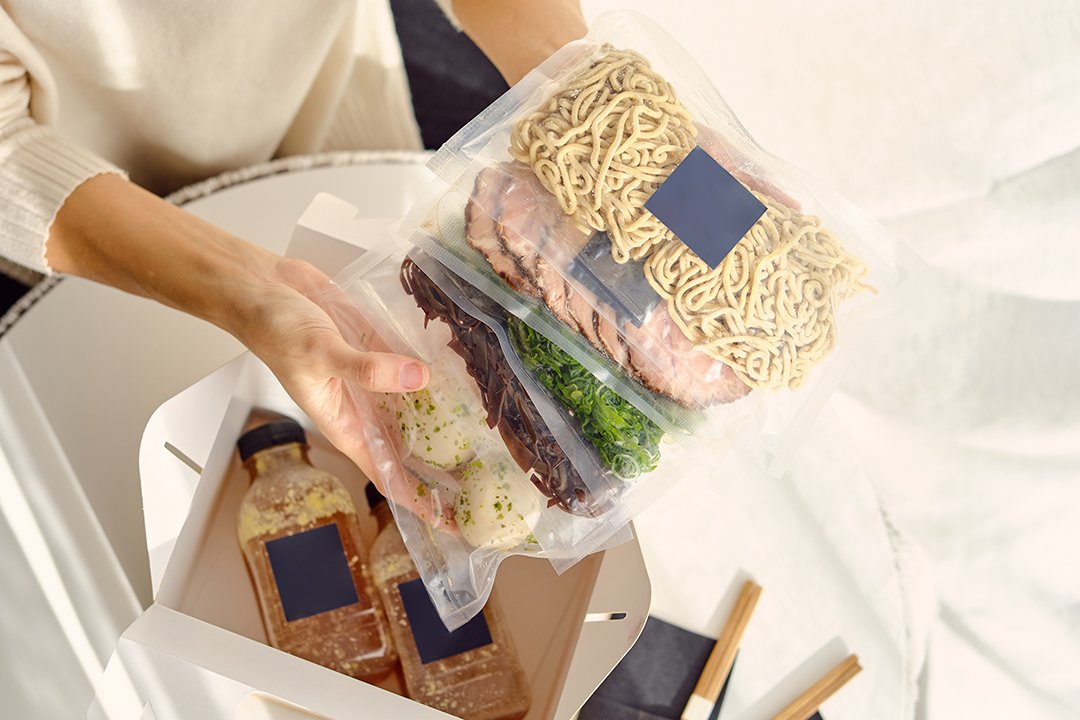
Not all packaging materials are created equal. To ensure food safety, select materials that are specifically designed and tested for contact with food. Common options include:
- Plastics: Look for plastics labeled as food-grade, such as PET, HDPE, and PP. Avoid recycled plastics unless they are certified for food contact.
- Glass: Inert and non-reactive, glass is ideal for products that require a high barrier to oxygen and moisture.
- Metals: Tin, aluminum, and stainless steel are commonly used for cans and containers. Ensure coatings or linings are also food-safe.
- Papers and Cardboards: Only use those treated to resist moisture and grease, and free from toxic inks or adhesives.
When sourcing packaging, always request documentation proving compliance with relevant food safety standards. This helps verify that the materials will not leach harmful substances into the food.
Handling and Storage: Preventing Contamination
Even the safest packaging can become a hazard if not handled and stored correctly. Here are some essential steps to maintain packaging integrity:
- Store packaging in clean, dry areas away from chemicals, cleaning agents, and other contaminants.
- Use first-in, first-out (FIFO) inventory rotation to prevent old or damaged packaging from being used.
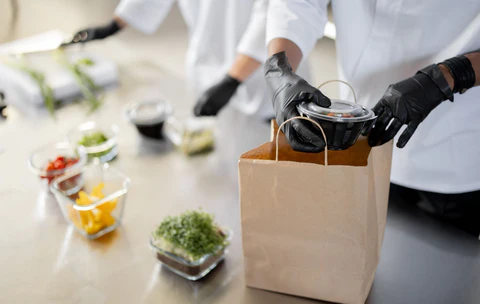
- Train staff on proper handling procedures, including wearing gloves and avoiding direct contact with food-contact surfaces.
- Inspect packaging before use for signs of damage, pests, or contamination.
By following these guidelines, businesses can reduce the risk of introducing hazards during the packaging process.
Compliance and Certification in Food Packaging
Regulatory compliance is a cornerstone of food-safe packaging best practices. Businesses must stay up-to-date with local and international regulations, such as the FDA’s Food Contact Substance Notification (FCN) process or the EU’s Framework Regulation (EC) No 1935/2004.
Certifications like ISO 22000 (Food Safety Management) and BRCGS Packaging Materials can further demonstrate a commitment to safety and quality. These certifications often require regular audits, documentation, and continuous improvement efforts.
For a more detailed look at compliance, the food packaging safety guide from MrTakeoutBags provides practical insights and regulatory updates relevant to the industry.
Innovations and Sustainability in Safe Packaging
The landscape of food packaging is rapidly evolving, with new materials and technologies emerging to address both safety and environmental concerns. Biodegradable and compostable packaging options are gaining traction, but it’s important to ensure these alternatives still meet all food safety requirements.
Advancements in barrier coatings, antimicrobial packaging, and smart labels are helping businesses extend shelf life and improve traceability. As sustainability becomes a higher priority, companies are balancing eco-friendly initiatives with the need to protect food from contamination and spoilage.
For those interested in how printing and material science are shaping the future of packaging, related topics such as how to print on cork and non-traditional materials can offer additional perspective on innovation in this space.
Common Mistakes to Avoid
Even well-intentioned businesses can make errors that compromise food safety. Some frequent pitfalls include:
- Using non-food-grade or uncertified packaging materials
- Reusing single-use containers or packaging
- Improper storage leading to contamination
- Neglecting to update processes in line with new regulations
- Failing to train staff on the latest safety protocols
Regular audits, ongoing staff education, and a proactive approach to compliance can help avoid these issues and ensure a robust food safety program.
Frequently Asked Questions
What makes a material food-safe?
A food-safe material is one that does not transfer harmful chemicals, odors, or flavors to food. It must be certified for food contact by relevant authorities and should not react with the food it contains.
How can I verify if my packaging is compliant?
Request documentation from your supplier, such as certificates of compliance or test reports. Look for recognized certifications and ensure the packaging meets local and international food safety regulations.
Are biodegradable packaging materials always safe for food?
Not necessarily. Biodegradable materials must still be tested and certified for food contact. Always verify that any eco-friendly packaging you use meets the same safety standards as conventional materials.
Conclusion
Adhering to food-safe packaging best practices is critical for protecting consumers, maintaining product quality, and complying with regulations. By choosing certified materials, following strict handling procedures, and staying informed about industry developments, businesses can ensure their packaging supports both safety and sustainability goals. As packaging technologies continue to evolve, staying proactive and informed will help keep your products—and your customers—safe.