The appeal of vintage print effects on t-shirts continues to grow, with both fashion brands and DIY enthusiasts seeking that perfectly aged, soft, and worn-in look. Achieving these retro-inspired finishes requires a blend of the right printing techniques, thoughtful design choices, and sometimes a bit of post-processing. Whether you’re a professional printer or just starting out, understanding the most effective ways to create these nostalgic styles can help you deliver garments that stand out.
Before diving into the most popular approaches, it’s helpful to understand how factors like ink type, garment material, and finishing methods all contribute to the final result. For those interested in the tactile qualities of prints, learning about what is soft hand feel in garment printing can further enhance your understanding of vintage aesthetics.
Understanding the Vintage Look in T-Shirt Printing
The term “vintage” in t-shirt printing typically refers to prints that appear faded, cracked, or distressed, mimicking the natural wear that occurs over years of washing and wearing. These effects are not just about color fading; they often involve subtle texture changes, muted color palettes, and a softer feel to the print itself. The goal is to create a garment that feels like a treasured favorite from decades past.
Popular Techniques for Retro Print Finishes
There are several proven methods for producing vintage print effects on t-shirts. Each technique offers unique advantages and can be tailored to suit different design goals and production scales.
1. Water-Based and Discharge Inks for Soft, Faded Results
One of the most popular approaches for achieving a retro look is using water-based or discharge inks. These inks penetrate the fabric rather than sitting on top, resulting in a softer hand feel and a naturally faded appearance. Discharge inks, in particular, remove the shirt’s dye and replace it with the print color, creating a subtle, worn-in effect that’s ideal for vintage designs.
- Advantages: Soft finish, breathable print, authentic fade over time
- Best for: Light-colored or 100% cotton garments
- Tips: Use muted or pastel colors for a more convincing aged look
2. Simulated Distressing and Cracking Techniques
To replicate the cracked or distressed look of old prints, many printers use special screen meshes, lower ink deposits, or even intentionally under-cure the ink. Some also add texture to the artwork itself, designing cracks and worn spots directly into the graphic. This method is especially effective for bold, single-color prints or retro logos.
- Advantages: Highly customizable, works with various ink types
- Best for: Designs that benefit from a rugged, broken-in appearance
- Tips: Experiment with mesh counts and squeegee pressure for different levels of distress
3. Digital Printing for Vintage Effects
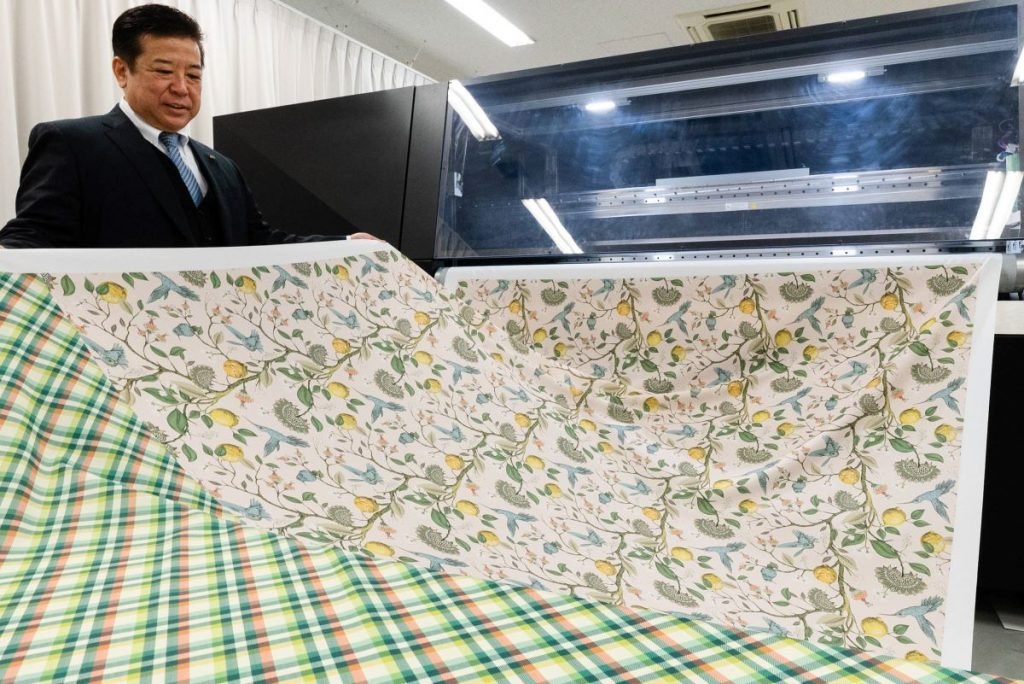
Modern digital textile printing offers new possibilities for creating aged looks. By adjusting the design’s opacity, color saturation, and layering effects in the artwork, digital printers can produce prints that look faded or sun-bleached right out of the machine. This approach is especially useful for small runs or highly detailed graphics.
For a deeper dive into the technology behind this method, see this comprehensive guide to digital textile printing.
Design Considerations for Authentic Aged Prints
The artwork itself plays a significant role in how convincing your vintage print will appear. Here are a few design tips:
- Use muted color palettes and avoid overly bright or saturated hues.
- Incorporate texture overlays such as grain, halftones, or simulated fabric wear.
- Keep graphics slightly off-register for a hand-printed, imperfect look.
- Consider retro fonts and classic iconography for added authenticity.
Post-Processing Methods for Enhanced Vintage Appeal
Sometimes, the final touch for a truly aged effect comes after printing. Post-processing techniques can further soften prints and fabrics, helping to mimic years of natural wear.
- Garment Washing: Enzyme or stone washing can break down fibers and soften both the shirt and the print, giving a lived-in feel.
- Heat Treatments: Applying additional heat can slightly fade or crack certain inks, especially plastisol, for a more distressed look.
- Hand Distressing: Light sanding or abrasion in targeted areas can add unique wear patterns to both the fabric and the print.
Choosing the Right Garment for Vintage Effects
The base t-shirt is just as important as the print method. For the most convincing results:
- Opt for 100% cotton or cotton-blend shirts, as these fabrics respond best to water-based inks and garment washing.
- Look for pre-washed or garment-dyed tees, which already have a softer, broken-in feel.
- Consider lighter colors and heathered fabrics, which contribute to the overall aged appearance.
Common Mistakes to Avoid When Creating Retro Prints
While experimenting is part of the process, there are a few pitfalls to watch out for:
- Using too much ink, resulting in a heavy, plastic-like print that won’t age gracefully.
- Choosing the wrong fabric, which can prevent inks from absorbing properly or lead to uneven fading.
- Over-distressing designs, making them look artificial rather than authentically worn.
For those running larger operations or considering new production models, exploring the benefits of micro-factory models for fashion printing can help streamline your vintage t-shirt production while maintaining quality and flexibility.
FAQ: Vintage Print Effects on T-Shirts
What is the best ink type for achieving a soft, vintage feel?
Water-based and discharge inks are generally considered the best options for a soft, faded finish. They soak into the fabric, resulting in a print that feels almost as soft as the shirt itself.
Can digital printing be used to create retro t-shirt effects?
Yes, digital textile printing allows for precise control over color and opacity, making it possible to design prints that look aged or sun-faded. Adjusting the artwork’s saturation and layering can produce convincing vintage results.
How can I make a new t-shirt look and feel old?
Combine soft inks, faded color choices, and garment washing techniques such as enzyme or stone washing. Adding subtle distressing to the print or fabric can further enhance the aged appearance.
Are there any risks to over-distressing t-shirt prints?
Overdoing the distressing can make prints look unnatural or cause them to deteriorate too quickly. It’s best to start subtle and increase the effect gradually, testing on sample garments first.
Conclusion
Mastering how to achieve vintage print effects on t-shirts is a blend of art and science. By selecting the right printing techniques, designing with authenticity in mind, and choosing suitable garments, you can create t-shirts that capture the timeless appeal of true vintage wear. Whether you’re screen printing, using digital methods, or experimenting with post-processing, the key is to balance technique with creativity for results that look and feel naturally aged.